Drunken Master (1978) Review: Pain Played for Laughs
Drunken Master is the 1978 Hong Kong kung fu comedy that made Jackie Chan a star. Its training scenes and fights still dazzle, even when the story wanders.
★★★½☆ 3.5/5
Yes, with reservations. It is essential for kung fu and Jackie Chan fans, though its loose plot and dated gags will test anyone who needs a strong story.
Is Drunken Master worth watching?
Yes, with a little patience. Drunken Master is the film where Jackie Chan’s screen persona clicked into place, and its best fight scenes are still dazzling more than four decades later. Director Yuen Woo-ping stages kung fu as physical comedy, with a hero who gets beaten, tricked and humiliated long before he earns a win. The reservation is everything between the set pieces: the story is thin and episodic, and some of the broader humour has aged badly.
What is Drunken Master about?
Drunken Master follows a cocky young troublemaker, played by Jackie Chan, who has learned just enough kung fu at his father’s school to start fights he cannot finish. The character is a youthful version of the folk hero Wong Fei-hung, and after one embarrassment too many he is sent to train under a slovenly, hard-drinking old beggar, played by Simon Yuen Siu-Tien, whose reputation for crippling students goes before him. The old man’s secret is the Drunken Fist, a style that borrows the lurching, unbalanced movements of a drunk to wrong-foot an opponent.
Looming over the training is a formidable hired killer played by Hwang Jang-Lee, whose ferocious kicks give the film its sense of danger. Yuen Woo-ping directs this Hong Kong production, which is in Cantonese and runs 111 minutes.
Jackie Chan stops playing it straight
In the mid-1970s Chan had been pushed as a stern, Bruce Lee-style hero, and it never suited him. Here he plays a brat with a grin, and the shift changes the genre: the hero is funny precisely because he suffers. He loses constantly, wins by improvising, and lets his face register every blow. That blend of acrobatic precision and self-mockery became the template for the next two decades of his career.
The training sequences are the comic heart of the film. Yuen turns punishing drills into gags about balance, endurance and humiliation, and Chan performs them with the timing of a silent-era clown. They also do real dramatic work, because by the time the drunken style is taught, the audience has watched him earn every move.
Choreography that still looks new
Yuen Woo-ping would later design the fights for The Matrix and Crouching Tiger, Hidden Dragon, and the craft is already here. The camera sits wide and holds its takes, so the choreography reads clearly and the performers’ skill is never faked by cutting. The drunken style is organised around the Eight Immortals of Chinese legend, each with its own posture and trick, which gives the later fights a playful, almost musical structure.
Simon Yuen, the director’s father, is the film’s other great asset. His beggar-master is grubby, lazy and sly, and the character became the model for countless comic kung fu teachers that followed. Hwang Jang-Lee, a Korean martial artist famous for his kicking, is the right counterweight: he barely needs to act menacing because his footwork does it for him.
Where the film shows its age
The plot is a string of brawls, pranks and training episodes rather than a building story, and the first hour meanders before the premise properly kicks in. The comedy relies heavily on mugging and slapstick sound effects, a few jokes land poorly now, and the tone lurches between cartoon violence and genuine cruelty. Depending on the version you find, a clumsy English dub can make all of this feel broader still; the Cantonese track serves it better.
Who should watch Drunken Master?
It is required viewing for martial arts fans, for anyone who loves Jackie Chan’s later action comedies, and for viewers curious about where Hong Kong’s comic kung fu tradition came from. The fighting is constant but mostly bloodless and played for laughs, though the training scenes include some rough treatment and heavy drinking is the whole joke. Older children who enjoy action comedy will likely take it in their stride.
Good next steps from the same corner of Hong Kong cinema:
- Snake in the Eagle’s Shadow, the earlier 1978 pairing of Chan and Yuen, a rougher first draft of the same formula.
- The Legend of Drunken Master, in which Chan returns to the character with a bigger budget and some of his most dazzling fight work.
- Iron Monkey, Yuen’s later, more polished martial arts adventure that also features a young Wong Fei-hung.
The verdict
Drunken Master is more important than it is perfect: a loose, sometimes crude comedy that nonetheless contains the birth of a star and some of the most inventive fight choreography of its era. Come for Chan and the Drunken Fist, forgive the wandering plot, and it still delivers.
Rating: 3.5/5
Availability is a catalogue snapshot and can change. Confirm with the provider in your region.
Where to watch Drunken Master
Not confirmed on major subscription platforms in our US baseline — check regional listings.
Rent: Amazon Video, Apple TV, Google Play, YouTube, Fandango at Home
Buy: Amazon Video, Apple TV, Google Play, YouTube, Fandango at Home
By region: Vidio in Indonesia; Disney+ Hotstar in India; U-NEXT in Japan
Full scores and availability on the movie page.
If you liked Drunken Master
Ranked by genre overlap and Celluloid Score. More movies like Drunken Master →
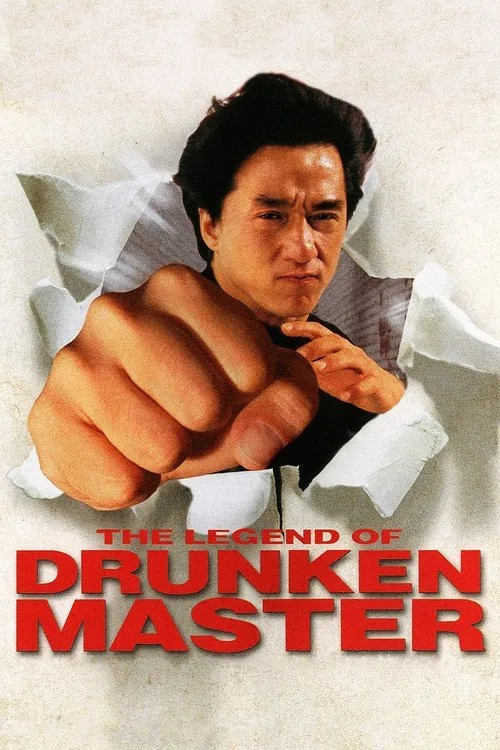
The Legend of Drunken Master
Action, Comedy · 1h 42m
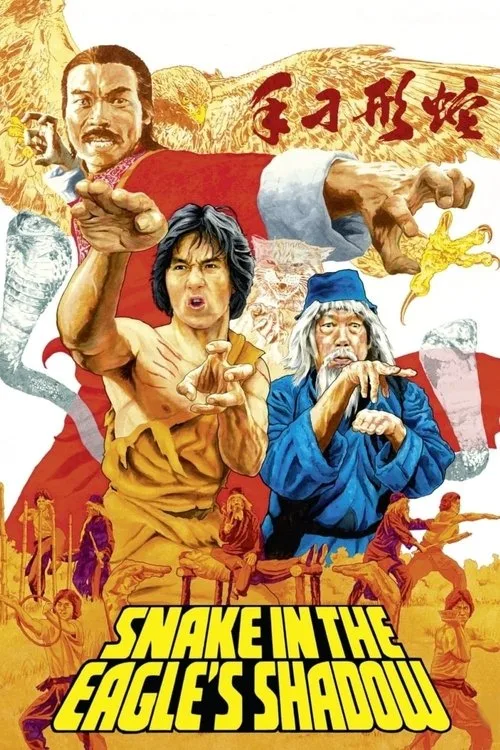
Snake in the Eagle's Shadow
Action, Comedy · 1h 38m
Shaolin Soccer
Action, Comedy · 1h 53m
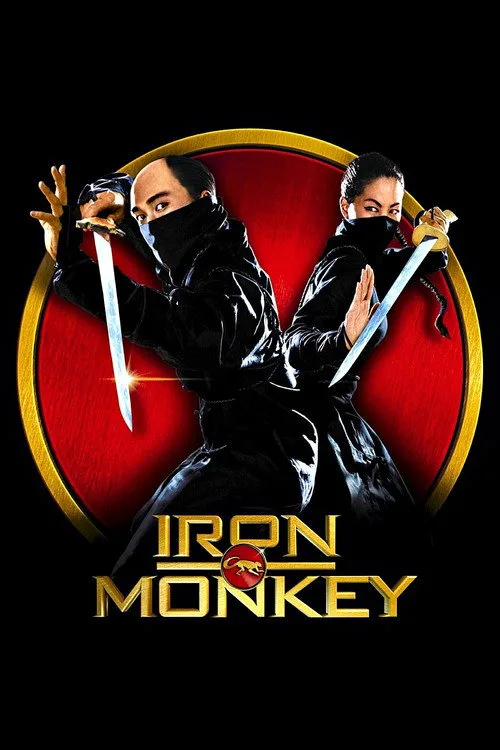
Iron Monkey
Action, Crime · 1h 30m
Where can I watch Drunken Master?
Rent: Amazon Video, Apple TV, Google Play, YouTube, Fandango at Home. Buy: Amazon Video, Apple TV, Google Play, YouTube, Fandango at Home. Regional notes: Vidio in Indonesia; Disney+ Hotstar in India; U-NEXT in Japan.