The Legend of Drunken Master (1994) Review: Chan at His Peak
The Legend of Drunken Master is Jackie Chan's riotous kung fu comedy about a young Wong Fei-hung and his drunken boxing, home to some of the finest fights ever filmed.
★★★★☆ 4/5
Yes. It is essential for martial arts fans and a joy for anyone who loves physical comedy, provided you can forgive a thin plot and very broad humour.
Is The Legend of Drunken Master worth watching?
Yes. The Legend of Drunken Master is one of the greatest showcases of screen fighting ever made, with Jackie Chan at the height of his athletic and comic powers. Its action sequences are astonishingly inventive, complex and physically dangerous, and its final stretch is regularly cited among the best fight scenes in cinema. The reservations lie elsewhere: the plot is flimsy, the comedy is broad and sometimes shrill, and the villains are cartoonish.
What is The Legend of Drunken Master about?
The Legend of Drunken Master is set in China in the early twentieth century. Wong Fei-hung (Jackie Chan), the young son of a respected doctor and martial arts teacher (Ti Lung), is returning home with his father after a trip. Through a mix-up at a railway station, Fei-hung becomes entangled in a struggle between foreigners who are smuggling ancient Chinese artefacts out of the country and loyalists determined to stop them.
Fei-hung’s weapon is drunken boxing, a fighting style that improves as he drinks, which his strict father has forbidden him to use. Anita Mui plays his mischievous stepmother, and Lau Kar-leung, Ken Lo and Felix Wong also appear. Lau directs this Hong Kong production in Cantonese, and it runs 102 minutes. Originally released as Drunken Master II, it followed Chan’s 1978 breakthrough Drunken Master and is known internationally under its later English title.
Fight choreography as high art
The action is the reason to watch, and it is extraordinary. Chan and his team build each fight from rhythm, props and escalating difficulty, so that the choreography tells a story of shifting advantage. An early fight beneath a train carriage, conducted in a cramped space with spears and bodies twisting through gaps, is a small masterpiece of improvisation within limits. A later brawl in a teahouse involving dozens of axe-wielding thugs is dazzling in its scale and speed.
The drunken boxing itself is a comic and physical marvel. Chan sways, stumbles and lurches as if barely able to stand, yet every movement is precise, and the style becomes funnier and more lethal as the alcohol takes hold. The climactic fight, set in a steelworks, pits Chan against the lightning-fast kicks of Ken Lo, and its intensity and invention have rarely been equalled.
Comedy, family and chaos
Between the fights, the film is a broad family comedy. Much of the humour comes from Fei-hung’s clashes with his stern father and his alliance with his scheming stepmother, and Anita Mui is a delight: quick, sly and fearless in her slapstick, she steals every scene she shares with Chan. Ti Lung, a veteran star of Hong Kong action cinema, lends dignity to the father and makes his disapproval a believable source of conflict.
The comedy is not subtle. Characters shout, mug and fall over, and some routines go on longer than they should. Viewers attuned to Hong Kong comedy of the era will enjoy the energy; others may find it exhausting.
Where the story stumbles
The film’s plot is little more than a framework for action, and its villains, a set of greedy foreign officials and their henchmen, are pantomime figures. Its patriotic theme, of Chinese heritage defended against foreign exploitation, is sincere but heavy-handed. The pacing between set pieces sags, and the storytelling can be confusing, particularly in the middle stretch. None of this matters much once the fists start flying, but it keeps the film from being a complete success.
Who should watch The Legend of Drunken Master?
It is essential for fans of action cinema, martial arts and Jackie Chan, and for anyone interested in the art of physical performance. It is also an enjoyable, energetic watch for families with older children, though there is frequent fighting, some bloody moments and a comic attitude to drinking. It runs just over an hour and a half.
Where to go next:
- Drunken Master, the 1978 original that made Chan a star, more rough-edged but just as playful.
- Police Story, Chan’s contemporary action classic, with some of his most dangerous stunts.
- The 36th Chamber of Shaolin, Lau Kar-leung’s own classic about discipline and kung fu training.
The verdict
The Legend of Drunken Master is a thin story wrapped around some of the most astonishing fight choreography ever put on screen. Its comedy is broad and its plot flimsy, but Jackie Chan’s skill and daring make it an essential martial arts film.
Rating: 4/5
Availability is a catalogue snapshot and can change. Confirm with the provider in your region.
Where to watch The Legend of Drunken Master
Not confirmed on major subscription platforms in our US baseline — check regional listings.
Rent: Amazon Video, Apple TV, Google Play, YouTube
Buy: Amazon Video, Apple TV, Google Play, YouTube
By region: Sky Cinema in the United Kingdom; U-NEXT in Japan
Full scores and availability on the movie page.
If you liked The Legend of Drunken Master
Ranked by genre overlap and Celluloid Score. More movies like The Legend of Drunken Master →
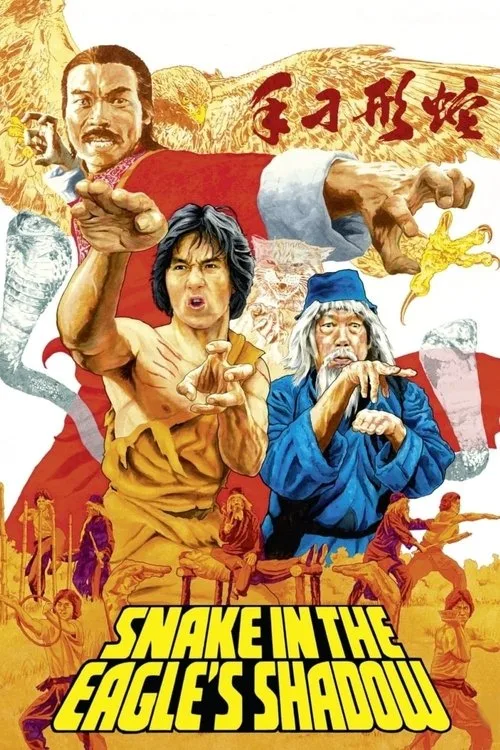
Snake in the Eagle's Shadow
Action, Comedy · 1h 38m
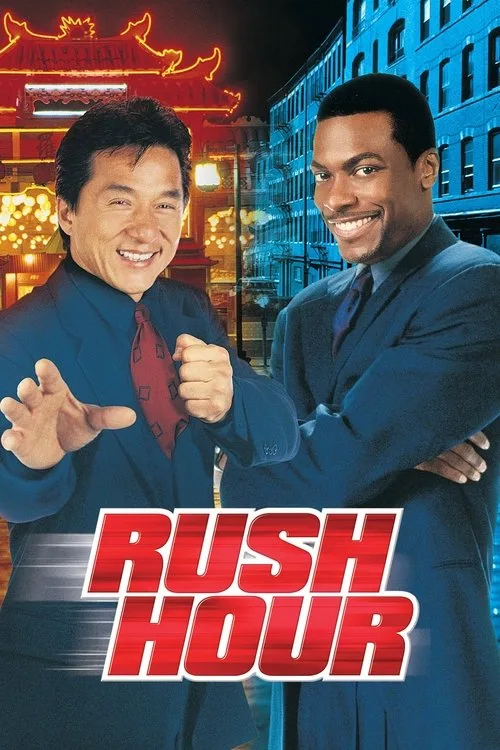
Rush Hour
Action, Comedy · 1h 37m
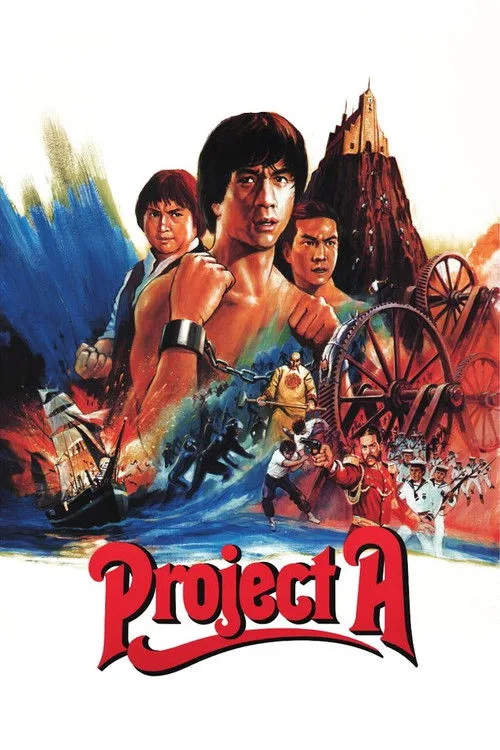
Project A
Action, Adventure · 1h 45m
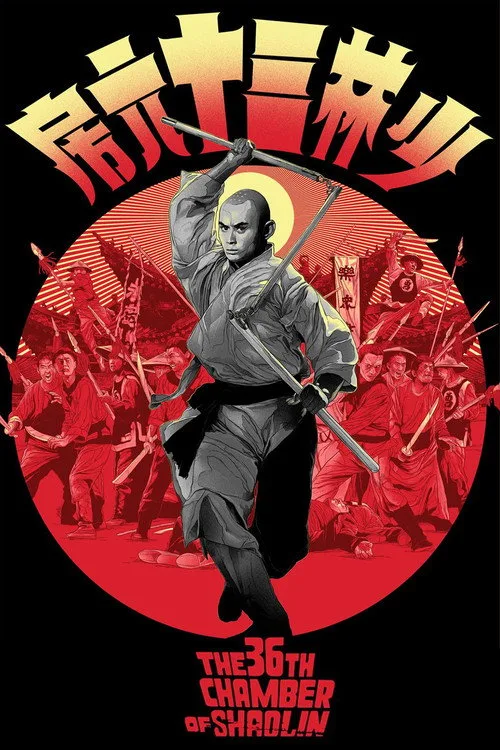
The 36th Chamber of Shaolin
Action, Adventure · 1h 56m
Where can I watch The Legend of Drunken Master?
Rent: Amazon Video, Apple TV, Google Play, YouTube. Buy: Amazon Video, Apple TV, Google Play, YouTube. Regional notes: Sky Cinema in the United Kingdom; U-NEXT in Japan.