American History X (1998) Review: Hate, Handed Down
American History X is Tony Kaye's searing drama about a former neo-Nazi trying to save his younger brother, driven by Edward Norton's ferocious performance.
★★★★½ 4.5/5
Yes. It is a harrowing American drama built around one of the great screen performances of the 1990s, though its violence is extreme and strictly for adults.
Is American History X worth watching?
Yes. American History X is a blistering, deeply uncomfortable drama about how racist hatred is learned and passed on, and Edward Norton’s performance in it is one of the defining pieces of screen acting of its decade. It confronts white supremacy head-on rather than at a safe distance, and its most brutal scenes are unforgettable. The reservation is that its story of redemption is more schematic than its portrait of hate, and parts of the film push its message harder than they need to.
What is American History X about?
Derek Vineyard (Edward Norton) is released from prison after serving three years for killing two Black men. Before he went inside, he was a skinhead and a leader of a violent white supremacist gang in Los Angeles, and his younger brother, Danny (Edward Furlong), worshipped him. Danny, who narrates the story, is now drifting down the same path. Derek comes home changed, determined to cut ties with the gang and to pull his brother back before it is too late.
American History X is directed by Tony Kaye from a screenplay by David McKenna. It is an American production in English and runs 119 minutes. The cast also includes Beverly D’Angelo as the brothers’ mother, Avery Brooks as a school principal who has known both boys, Stacy Keach, Fairuza Balk, Ethan Suplee and Elliott Gould.
Two timelines, two colours
The film’s structure is its sharpest idea. The present day, told over a single day and night after Derek’s release, is shot in colour. Derek’s past, as Danny remembers and records it, plays out in stark, grainy black and white. The effect is to make the flashbacks feel like a kind of propaganda footage, handsome and seductive in the way hateful movements often present themselves, while the colour scenes show the cost.
Kaye, a commercials and music video director making his feature debut, shoots the past with a heightened, almost mythic style: slow motion, low angles, bodies lit like statues. It is a deliberate risk, and mostly it works, because the film keeps cutting back to the ordinary household where all this ideology was nurtured. The film’s post-production was famously troubled, and Kaye publicly disowned the final cut, which may explain a certain unevenness in the second half.
Norton’s performance as a warning
Norton, who earned an Academy Award nomination for the role, does something very difficult. He makes the younger Derek frighteningly articulate and charismatic, the kind of person who could genuinely recruit followers, without ever letting the film admire him. A dinner-table argument in one flashback, in which a family conversation curdles into something vicious, is among the most disturbing scenes in any American drama of the period, precisely because it is so domestic.
The older Derek is quieter, heavier and harder to read, and Norton makes the contrast physical as well as emotional. Furlong is effective as a teenager who has absorbed his brother’s worldview without understanding what it cost, and Avery Brooks brings calm authority to the principal who refuses to give up on him.
Where the message gets heavy-handed
For all its power, the film is more convincing about how hate takes hold than about how it lets go. Derek’s change is explained through a small number of key experiences, and the transformation, while moving, can feel compressed. Some dialogue, particularly in the final stretch, states the theme outright where images had already done the work. These are real flaws, but they come from a film that is trying hard to say something urgent, not from timidity.
Who should watch American History X?
It is essential for viewers interested in serious American drama and in how extremism grows inside families and communities. It is also genuinely hard to watch. It contains extreme and graphic violence, including one notorious scene, sexual violence referred to and partly shown, relentless racist language and Nazi imagery. It is strictly for adults, and best watched when you have time to think about it afterwards.
If it hits you hard, consider:
- Schindler’s List, a monumental study of Nazism and of one man’s moral transformation.
- 12 Angry Men, for a very different, dialogue-driven confrontation with prejudice.
- The Godfather, another American classic about family loyalty drawing a younger brother toward violence.
The verdict
American History X is a raw, vital film that understands the pull of hateful ideas better than most dramas dare to, and Norton’s performance gives it a terrifying credibility. Its redemption arc is less subtle than its diagnosis, but its power has barely faded.
Rating: 4.5/5
Availability is a catalogue snapshot and can change. Confirm with the provider in your region.
Where to watch American History X
Not confirmed on major subscription platforms in our US baseline — check regional listings.
Rent: Amazon Video, Apple TV, Google Play, YouTube, Fandango at Home
Buy: Amazon Video, Apple TV, Google Play, YouTube, Fandango at Home
By region: HBO Max, Sky Cinema in the United Kingdom; U-NEXT in Japan
Full scores and availability on the movie page.
If you liked American History X
Ranked by genre overlap and Celluloid Score. More movies like American History X →
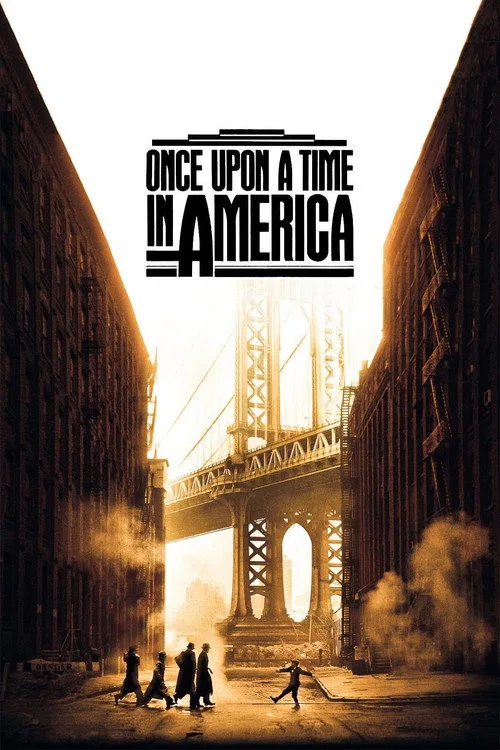
Once Upon a Time in America
Drama, Crime · 3h 49m
 Cannes 2006
The Wind That Shakes the Barley
Drama, War · 2h 7m
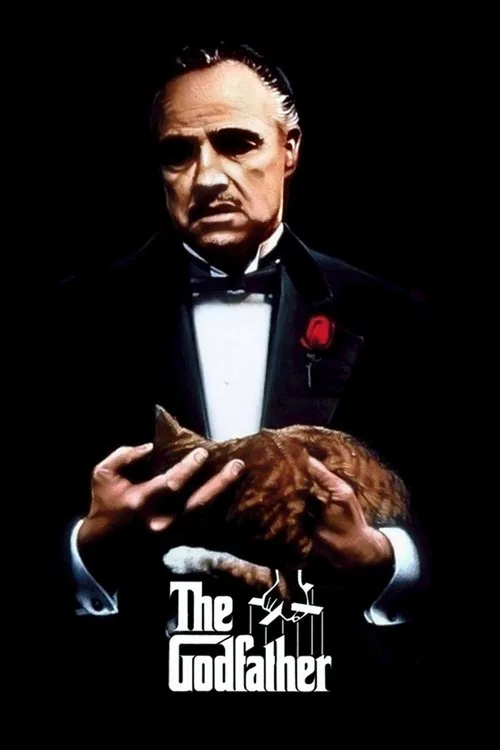
The Godfather
Crime, Drama · 2h 55m

The Odyssey
Action, Adventure · 2h 53m
Where can I watch American History X?
Rent: Amazon Video, Apple TV, Google Play, YouTube, Fandango at Home. Buy: Amazon Video, Apple TV, Google Play, YouTube, Fandango at Home. Regional notes: HBO Max, Sky Cinema in the United Kingdom; U-NEXT in Japan.