12 Angry Men (1957) Review: Doubt in a Locked Room
12 Angry Men is Sidney Lumet's 1957 jury-room drama, a lean study of prejudice and reasonable doubt that still grips like a thriller.
★★★★½ 4.5/5
Yes. It is one of the great American dramas, tense from the first vote onward, and ideal for anyone who doubts a film set in one room can thrill.
Is 12 Angry Men worth watching?
Yes. 12 Angry Men is a near-perfect courtroom drama that barely enters the courtroom, and almost seventy years on it is as tense as any modern thriller. Sidney Lumet shuts twelve men in a stifling jury room and turns their argument over a murder verdict into a study of how prejudice passes itself off as common sense. The one reservation is that its design can feel schematic: each juror stands for a type, and the film’s faith in patient reasoning is more hopeful than real life usually allows.
What is 12 Angry Men about?
The trial is over when 12 Angry Men begins. A teenage boy from a poor neighbourhood is accused of stabbing his father to death, a guilty verdict means the death penalty, and the decision must be unanimous. The jurors file into a hot room on a summer afternoon expecting to be home within the hour. The first show of hands comes out eleven to one for guilty. The lone holdout, Juror 8 (Henry Fonda), is not certain the boy is innocent; he is simply not certain he is guilty, and he thinks a life deserves at least an hour of talk.
What follows is a second trial, of the jurors themselves. The evidence is picked over again, tempers rise, and each man reveals as much about his own life and assumptions as about the case. None of them is named; they are known by number, which makes the jury feel like a cross-section of 1950s America.
This was Lumet’s first feature, adapted by Reginald Rose from his own television play. It is an American film in English, shot in black and white, and it runs a lean 97 minutes.
One room, and not a wasted shot
Lumet and cinematographer Boris Kaufman make confinement the film’s engine. Early scenes are framed from above eye level with a sense of space, so the room looks ordinary. As the afternoon wears on, the camera drops lower and moves in tighter, until the ceiling seems to press down on the men and their sweating faces fill the frame. The heat, a fan that will not work, a storm gathering outside: small physical details stop the drama from ever feeling like filmed theatre.
The blocking is just as precise. Alliances show up in where men stand, who sits down, who drifts to the window. A juror’s change of heart often registers as a change of position in the room before he says a word, and that visual storytelling is why the film holds up on repeat viewings.
Fonda, Cobb and a flawless ensemble
Henry Fonda, who also produced the film, plays Juror 8 with a stillness that is easy to mistake for simplicity. He is no crusader. He asks questions, admits what he does not know and lets the others talk themselves into corners, a kind of decency that only works on screen when the actor never pushes it.
His opposite is Lee J. Cobb’s Juror 3, a bully whose certainty about the case is tangled up with something more personal, and Cobb gives the film its volcanic energy. The rest of the ensemble is superb: E.G. Marshall’s cool stockbroker, who argues from logic rather than feeling; Jack Warden’s salesman, more worried about his baseball tickets than the boy’s fate; Ed Begley’s garage owner, whose contempt for the defendant is barely disguised; and Joseph Sweeney’s elderly juror, who notices what younger men miss. Martin Balsam’s harried foreman and Jack Klugman’s quiet juror from the same streets as the accused add texture in smaller parts.
Types more than people
The film’s clarity is also its limit. Each juror arrives as a recognisable type, and Rose’s screenplay moves them along a tidy moral ladder, so the pleasure lies in watching how the arguments unfold rather than wondering whether they will. Some of the reasoning about evidence would not survive a modern courtroom, and a jury made up entirely of white men is a reminder of whose judgement the era took for granted. The film earns its convictions, but it is an argument for reason as much as a portrait of how people actually decide.
Who should watch 12 Angry Men?
It suits anyone who loves dialogue-driven drama, students of law and civics, and viewers who assume an old black-and-white film must feel slow. At 97 minutes it is compact and easy to fit into an evening. It works for teenagers too: the killing is described, never shown, though the talk of capital punishment and some ugly prejudice give it real weight.
Good next picks from the drama shelf:
- Whiplash, a modern pressure cooker that also runs on a clash of wills in tight spaces.
- The Shawshank Redemption, another American drama about justice, stubbornness and quiet moral courage.
- Schindler’s List, for a far larger study of one man’s conscience working against the crowd.
The verdict
12 Angry Men proves that a great film needs little more than a room, a question and actors who can make an argument feel like combat. Its characters are drawn a little too neatly and its optimism about reason is idealistic, but Lumet’s control and Fonda’s quiet authority make it essential for anyone who cares about drama or justice.
Rating: 4.5/5
Availability is a catalogue snapshot and can change. Confirm with the provider in your region.
Where to watch 12 Angry Men
Streaming: fuboTV, MGM+
Rent: Amazon Video, Apple TV, Google Play, YouTube, Fandango at Home, Spectrum On Demand
Buy: Amazon Video, Apple TV, Google Play, YouTube, Fandango at Home
By region: fuboTV, MGM+ in the United States; MGM+ in the United Kingdom; MGM+ in India
Full scores and availability on the movie page.
If you liked 12 Angry Men
Ranked by genre overlap and Celluloid Score. More movies like 12 Angry Men →
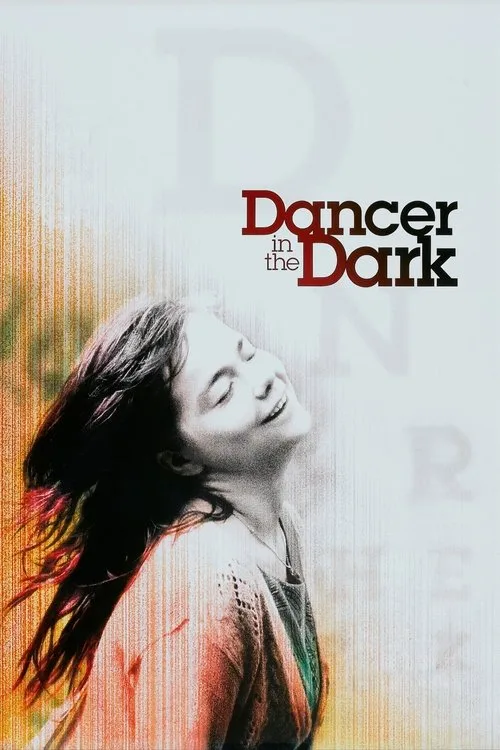 Cannes 2000
Dancer in the Dark
Drama, Crime · 2h 20m
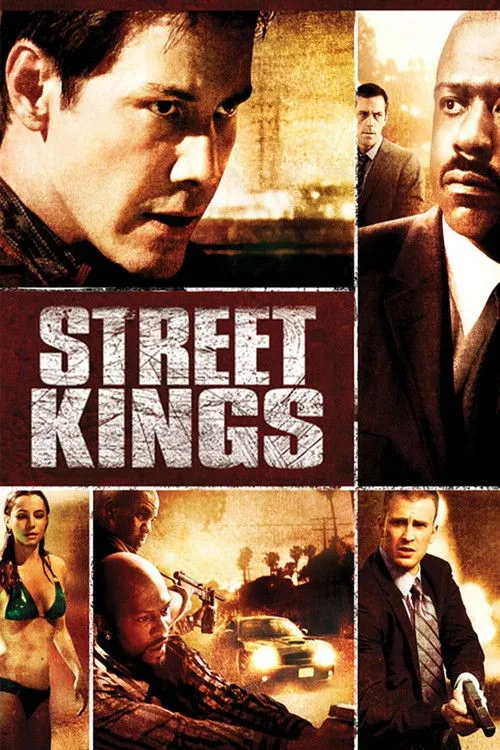
Street Kings
Action, Crime · 1h 49m
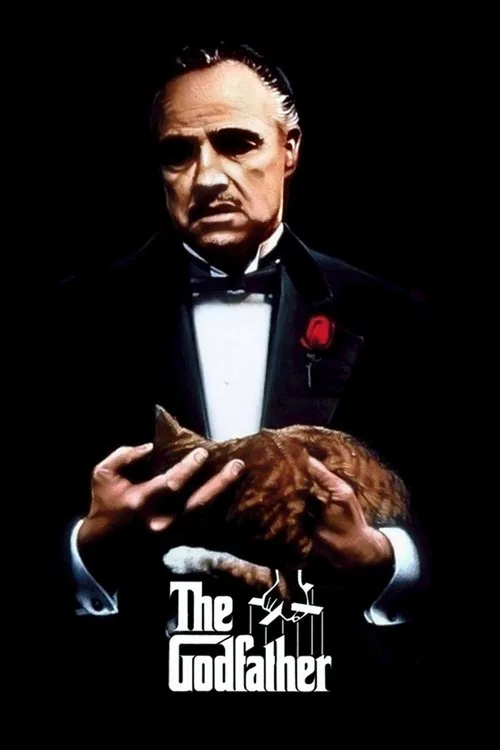
The Godfather
Crime, Drama · 2h 55m

The Odyssey
Action, Adventure · 2h 53m
Where can I watch 12 Angry Men?
Streaming: fuboTV, MGM+. Rent: Amazon Video, Apple TV, Google Play, YouTube, Fandango at Home, Spectrum On Demand. Buy: Amazon Video, Apple TV, Google Play, YouTube, Fandango at Home. Regional notes: fuboTV, MGM+ in the United States; MGM+ in the United Kingdom; MGM+ in India.