The Seen and Unseen (2018) Review: Grief Danced in Bali
The Seen and Unseen is Kamila Andini's Balinese fable about a girl facing her twin brother's illness, told through dance and dream more than conventional drama.
★★★½☆ 3.5/5
Yes, with some patience. It is a beautiful, meditative film about childhood grief, best for viewers who enjoy poetic art cinema over plot-driven stories.
Is The Seen and Unseen worth watching?
Yes, for viewers open to slow, dreamlike cinema. The Seen and Unseen is a delicate and often striking film about a child’s grief, rooted in Balinese culture and told largely through movement and imagery. Kamila Andini finds a visual language for feelings a ten-year-old cannot put into words, and some sequences are genuinely haunting. The reservation is that its elliptical style and long dance passages can feel remote, and viewers who need narrative momentum may drift.
What is The Seen and Unseen about?
The Seen and Unseen follows Tantri (Ni Kadek Thaly Titi Kasih) and her twin brother Tantra (Ida Bagus Putu Radithya Mahijasena), two children in rural Bali who do almost everything together. When they sneak eggs from the family’s religious offerings, she always eats the white and he eats the yolk, a small ritual that the film turns into a quiet emblem of how the siblings complete one another.
When Tantra falls seriously ill and is admitted to hospital, Tantri’s world begins to split. By day there is the ward, the worried adults and the hush of illness; by night she slips into imagined spaces where she and her brother dance, play and dress as other creatures. The film draws on the Balinese idea of sekala, the seen world, and niskala, the unseen one. Andini wrote and directed it, largely in Indonesian and Balinese, and it runs a brief 86 minutes. It won the Golden Hanoman award at the Jogja-NETPAC Asian Film Festival in 2017.
A child’s inner life, staged as dance
Andini’s boldest decision is to trust choreography over dialogue. The fantasy sequences, with children in costume and body paint moving through moonlit fields and bare rooms, are less explanations than expressions, the film’s way of showing grief that has not yet become understanding. Some are gorgeous, especially when the camera holds still and lets small bodies fill the frame with deliberate gestures drawn from Balinese performance traditions.
The everyday scenes are just as carefully composed. Offerings, rice fields, household chores and the flat light of the hospital are observed with an unhurried eye, and the contrast between the plain daytime world and the charged world of night gives the film its shape. The use of eggs, halves and pairs across the story is simple but effective.
Performances that feel found rather than acted
Ni Kadek Thaly Titi Kasih carries the film with a stillness that never looks coached. Tantri’s watchfulness, stubbornness and bursts of play feel true to a child who knows more than the adults are telling her. Radithya Mahijasena, confined for much of the film to a hospital bed, still makes Tantra’s presence felt, particularly in the imagined scenes where the twins are free to be ordinary children again.
The adults, including a mother whose tenderness is expressed through small acts of care, remain in the background by design. The film stays at a child’s eye level, which is both its strength and, at times, a limit on its emotional range.
Where the poetry thins out
For all its beauty, The Seen and Unseen can feel more like a series of tableaux than a story. Several dance passages run longer than their meaning requires, and the film’s reluctance to explain itself sometimes leaves the audience at a distance from the very grief it wants to share. Viewers unfamiliar with Balinese belief may also miss some of the cultural and spiritual resonance, since the film offers few signposts.
Who should watch The Seen and Unseen?
This is for viewers who enjoy contemplative art-house drama, films about childhood and anyone curious about Indonesian cinema beyond genre fare. It is short, gentle and free of graphic content, but its subject, a child facing a sibling’s serious illness, will weigh heavily for some viewers, particularly those who have experienced similar loss. Older children may connect with it alongside an adult.
If it speaks to you, try these next:
- Before, Now & Then, Andini’s later period drama, for the same attention to silence, ritual and women’s inner lives.
- Memoir of a Snail, an animated film about twins separated by circumstance, sadder and funnier in very different ways.
- Jumbo, an Indonesian animated film that also uses imagination to help a child through loss.
The verdict
The Seen and Unseen is a graceful, sincere film that translates a child’s grief into dance, ritual and dream. It asks for patience and does not always reward it evenly, but its images and its young lead linger long after its short running time.
Rating: 3.5/5
Availability is a catalogue snapshot and can change. Confirm with the provider in your region.
Where to watch The Seen and Unseen
Not confirmed on major subscription platforms in our US baseline — check regional listings.
Rent: Amazon Video
Buy: Amazon Video
By region: Netflix in Indonesia; Netflix in the Philippines; Netflix in Malaysia; Netflix in Thailand
Full scores and availability on the movie page.
If you liked The Seen and Unseen
Ranked by genre overlap and Celluloid Score. More movies like The Seen and Unseen →
 JAFF 2022
Before, Now & Then
Drama · 1h 43m
 FeaturedJAFF 2019
House of Hummingbird
Drama · 2h 15m
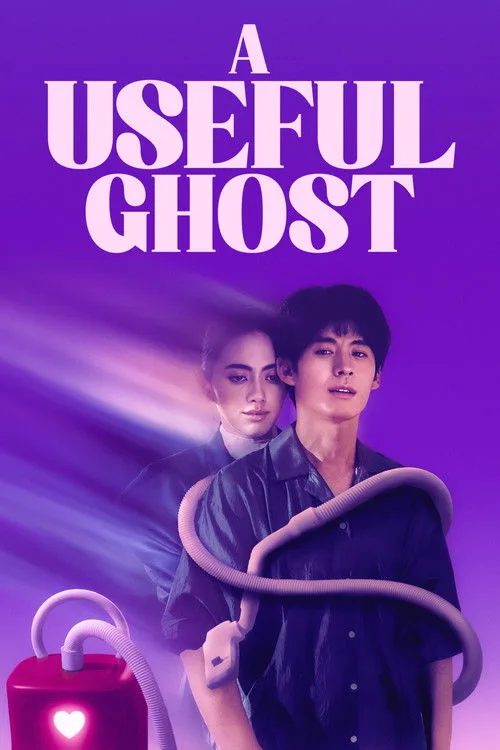 FeaturedJAFF 2025
A Useful Ghost
Comedy, Drama · 2h 10m
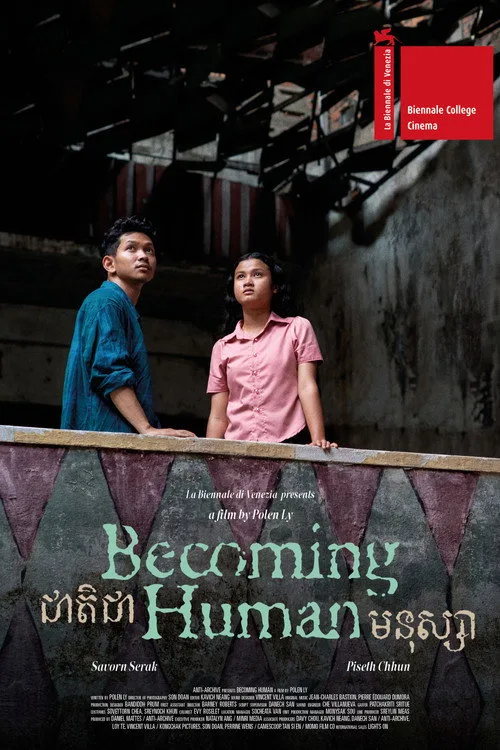 FeaturedJAFF 2025
Becoming Human
Fantasy, Drama · 1h 39m
Where can I watch The Seen and Unseen?
Rent: Amazon Video. Buy: Amazon Video. Regional notes: Netflix in Indonesia; Netflix in the Philippines; Netflix in Malaysia; Netflix in Thailand.