Before, Now & Then (2022) Review: A Wife's Quiet Defiance
Before, Now & Then is Kamila Andini's elegant Indonesian period drama about a woman rebuilding her life in 1960s West Java, carried by two superb performances.
★★★½☆ 3.5/5
Yes, with reservations. It is a beautiful, restrained period drama for patient viewers who enjoy subtle character studies, though its history stays mostly offscreen.
Is Before, Now & Then worth watching?
Yes, with reservations. Before, Now & Then is an exquisitely made Indonesian period drama about a woman’s inner life in turbulent times, and its central friendship between two women is quietly powerful. Kamila Andini directs with painterly control, and Happy Salma and Laura Basuki give performances of great subtlety. The reservation is that the film’s restraint can tip into remoteness: the political upheaval shaping these lives stays so far in the background that viewers unfamiliar with Indonesian history may struggle to feel its weight.
What is Before, Now & Then about?
Before, Now & Then, known in Indonesia as Nana, is set in West Java in the 1960s, in the unsettled years after independence. Nana (Happy Salma) has survived a violent past that tore her first family apart, and she now lives a comfortable, carefully ordered life as the wife of a wealthy man (Ibnu Jamil), running a large household with outward calm.
Beneath that calm, she is haunted by memories and dreams of what she lost, and aware that her security depends entirely on her husband. When she learns of another woman in his life, Ino (Laura Basuki), the expected rivalry gives way to something far more interesting: a guarded, gradually deepening bond between two women who understand each other’s constraints.
Andini directs an Indonesian production that runs 103 minutes, adapted from a book drawn from a real woman’s life.
Andini paints a world of surfaces
The film is a sensory pleasure. Andini frames domestic life with the care of a still-life painter: fabrics, gardens, dim interiors, the rituals of dressing and cooking. Nana’s long hair, carefully kept and pinned, becomes a recurring image of how much of her self is held in, and the costumes and production design give the 1960s setting a lived-in richness.
That attention to surfaces is the point. Nana’s world depends on appearances, and the film asks what lies underneath the composure a woman in her position has to maintain. Dreams and memories break into the present in brief, unsettling fragments, reminding us that the past is never as settled as her household routines suggest.
Two performances in a minor key
Happy Salma is superb as Nana, playing almost everything through stillness and small changes of expression. It is a performance of suppressed feeling, and her composure makes the rare moments when it slips land with real force.
Laura Basuki is equally fine as Ino, a warmer and more worldly presence whose frankness gradually draws Nana out. Their scenes together are the heart of the film, full of shared looks and careful, oblique conversations, and Basuki’s performance won the Berlin Film Festival’s Silver Bear for best supporting performance. Ibnu Jamil’s husband is kept deliberately peripheral, which suits a story told so firmly from the women’s point of view.
Where restraint becomes distance
The film’s elliptical approach will not suit everyone. The political violence of the era, which has already shaped Nana’s life and still threatens her household, is largely implied rather than shown, and the film assumes a familiarity with Indonesian history that many international viewers will not have. The pacing is also slow and the emotional climaxes muted, so a story with such dramatic material can feel curiously cool.
Who should watch Before, Now & Then?
It is best for viewers who love slow, visually rich period dramas and films centred on women’s inner lives, and for anyone interested in contemporary Indonesian art-house cinema. At 103 minutes, it is not a long commitment, though it asks for patience. The violence is mostly offscreen, and the themes of trauma, marriage and loss suit adult viewers.
Next steps in Indonesian cinema:
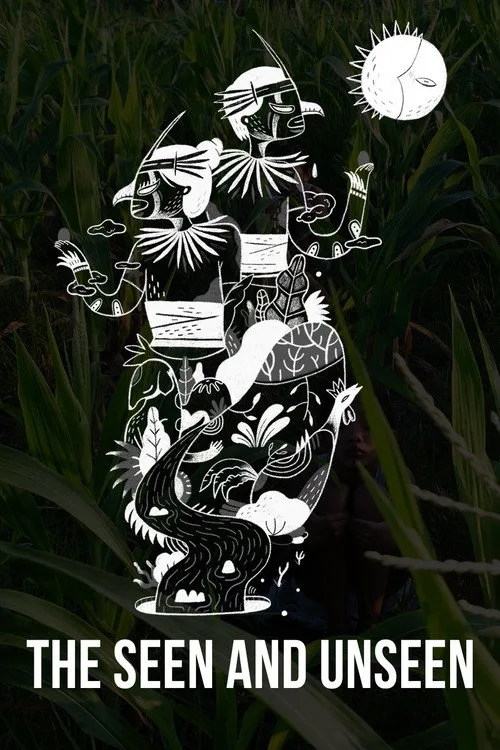
- The Seen and Unseen, Andini’s earlier film, a dreamlike, dance-infused story of childhood and grief.
- Autobiography, another acclaimed Indonesian film of the same year about power, loyalty and the long shadow of authority.
The verdict
Before, Now & Then is a graceful, beautifully acted portrait of a woman holding herself together in an unstable world, and of an unlikely friendship that helps her loosen her grip. Its restraint sometimes keeps the audience at arm’s length, but its craft and two superb lead performances make it well worth seeking out.
Rating: 3.5/5
Availability is a catalogue snapshot and can change. Confirm with the provider in your region.
Where to watch Before, Now & Then
Not confirmed on major subscription platforms in our US baseline — check regional listings.
Rent: Amazon Video, Apple TV, Google Play, YouTube, Fandango at Home
Buy: Amazon Video, Apple TV, Google Play, YouTube, Fandango at Home
By region: Prime Video in Indonesia; Prime Video in the Philippines; Prime Video in Malaysia; Prime Video in Thailand
Full scores and availability on the movie page.
If you liked Before, Now & Then
Ranked by genre overlap and Celluloid Score. More movies like Before, Now & Then →
 FeaturedJAFF 2017
The Seen and Unseen
Drama · 1h 26m
 FeaturedJAFF 2019
House of Hummingbird
Drama · 2h 15m
 FeaturedJAFF 2025
A Useful Ghost
Comedy, Drama · 2h 10m
 FeaturedJAFF 2025
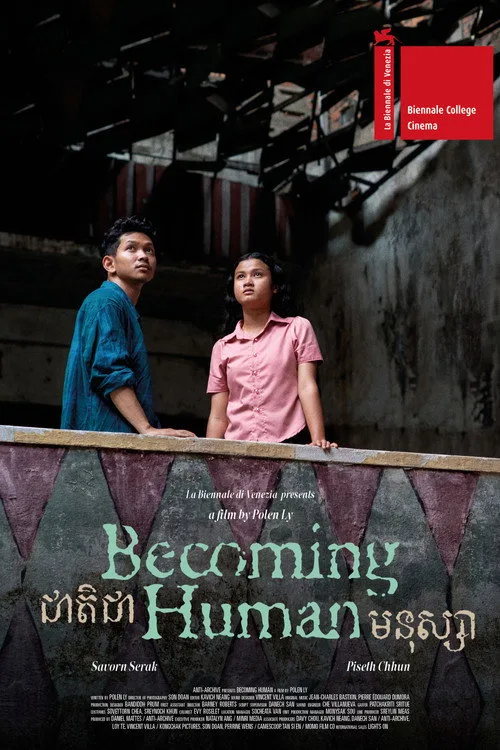
Becoming Human
Fantasy, Drama · 1h 39m
Where can I watch Before, Now & Then?
Rent: Amazon Video, Apple TV, Google Play, YouTube, Fandango at Home. Buy: Amazon Video, Apple TV, Google Play, YouTube, Fandango at Home. Regional notes: Prime Video in Indonesia; Prime Video in the Philippines; Prime Video in Malaysia; Prime Video in Thailand.