The Good, the Bad and the Ugly Review: Greed in Widescreen
The Good, the Bad and the Ugly is Sergio Leone's sprawling 1966 spaghetti western about three gunmen chasing buried gold through a Civil War landscape of ruin.
★★★★½ 4.5/5
Yes. It is the grandest of the spaghetti westerns and a landmark of film style; allow for its length and leisurely middle and it rewards every minute.
Is The Good, the Bad and the Ugly worth watching?
Yes. The Good, the Bad and the Ugly is the definitive spaghetti western, a vast, sardonic adventure whose images and music have shaped action cinema ever since. Sergio Leone turns a simple treasure hunt into an opera of close-ups, silences and standoffs, and Eli Wallach’s scene-stealing bandit gives the film an unexpected comic heart. The reservation is its length and loose structure: the middle wanders, and viewers used to tighter storytelling may feel the drag.
What is The Good, the Bad and the Ugly about?
The Good, the Bad and the Ugly is set in the American Southwest while the Civil War rages between Union and Confederacy. Three men learn of a strongbox holding $200,000 in stolen gold and set out to find it: a quiet, nameless loner (Clint Eastwood), a ruthless hired killer called Angel Eyes (Lee Van Cleef) and a volatile Mexican bandit, Tuco (Wallach). None of them trusts the others, and each holds only part of what they need to know.
Leone made the film as the final part of his so-called Dollars trilogy with Eastwood. Despite its American setting, it is an Italian production, shot largely in Spain with an international cast and released in both Italian and English versions. The familiar international cut runs 161 minutes, with longer restorations in circulation.
Leone’s style is the story
Few directors have announced a style as boldly. Leone and cinematographer Tonino Delli Colli alternate between vast desert panoramas and extreme close-ups of eyes, stubble and trigger fingers, and the rhythm of cutting between them is the film’s true language. Scenes that would take a minute in a Hollywood western stretch into long, wordless rituals, with tension building through glances and the slow approach of a figure across the frame.
Ennio Morricone’s score is inseparable from those images. The famous howling main theme, with its whistles, shouts and twanging guitar, introduces each character with a musical signature, and the later cues rise to something close to religious ecstasy. It is one of the few film scores that audiences recognise even if they have never seen the film.
Wallach steals it from the icons
Eastwood’s Blondie, as Tuco calls him, is a model of minimalism, all squints and dry one-liners, and Van Cleef makes Angel Eyes chillingly calm. Yet the film’s real life comes from Wallach. Tuco is greedy, cowardly, funny and occasionally pitiful, and Wallach plays him with a physical energy that fills every scene. A quiet sequence in which Tuco visits a family member reveals depths the other two characters are never allowed, and it is one of the most affecting moments in the genre.
The shifting partnership between Tuco and Blondie, alternately allies and enemies, is the film’s comic engine. Their double-crosses give the long journey a pattern of reversals that keeps it from becoming a simple chase.
A war that dwarfs the treasure hunt
What distinguishes this film from the earlier Dollars instalments is the Civil War backdrop. Leone fills the landscape with prison camps, ruined missions and pointless battles, and the three treasure hunters keep stumbling into bloodshed on a scale that makes their greed look petty. The war sequences give the film a bitter, anti-heroic edge.
That ambition also accounts for its weakness. Episodes pile up, some scenes run long for effect, and the film occasionally loses momentum between its set pieces. Women barely feature, and the dubbed dialogue, a hallmark of the era, can feel slightly detached from the actors’ lips.
Who should watch The Good, the Bad and the Ugly?
It is essential for anyone interested in westerns, in action cinema or in film music, and it is the natural starting point for Leone. Set aside close to three hours and, ideally, a large screen: the film’s widescreen compositions lose a lot on a phone. Expect frequent gunfights, hangings and war violence, though little is graphic by modern standards.
Where to go next:
- Once Upon a Time in the West, Leone’s even more operatic follow-up, slower and more elegiac.
- Django Unchained, Quentin Tarantino’s loving, provocative tribute to the spaghetti western.
- Sholay, the Hindi blockbuster that borrowed Leone’s standoffs and made them its own.
The verdict
The Good, the Bad and the Ugly remains a monumental western: funny, cynical, visually thrilling and scored like a myth. Its length and meandering middle ask for patience, but few films have left such a clear mark on how cinema looks and sounds.
Rating: 4.5/5
Availability is a catalogue snapshot and can change. Confirm with the provider in your region.
Where to watch The Good, the Bad and the Ugly
Streaming: fuboTV, MGM+
Rent: Amazon Video, Apple TV, Google Play, YouTube, Fandango at Home, Spectrum On Demand
Buy: Amazon Video, Apple TV, Google Play, YouTube, Fandango at Home
By region: fuboTV, MGM+ in the United States; MGM+ in the United Kingdom; MGM+ in India; U-NEXT in Japan
Full scores and availability on the movie page.
If you liked The Good, the Bad and the Ugly
Ranked by genre overlap and Celluloid Score. More movies like The Good, the Bad and the Ugly →
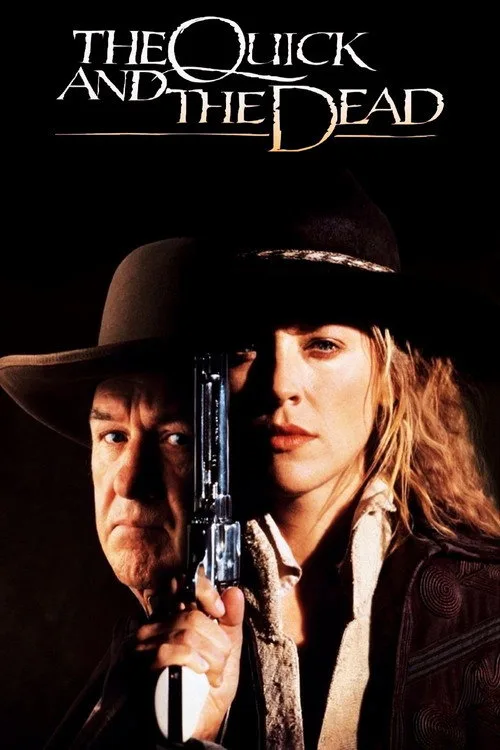
The Quick and the Dead
Western, Action · 1h 47m
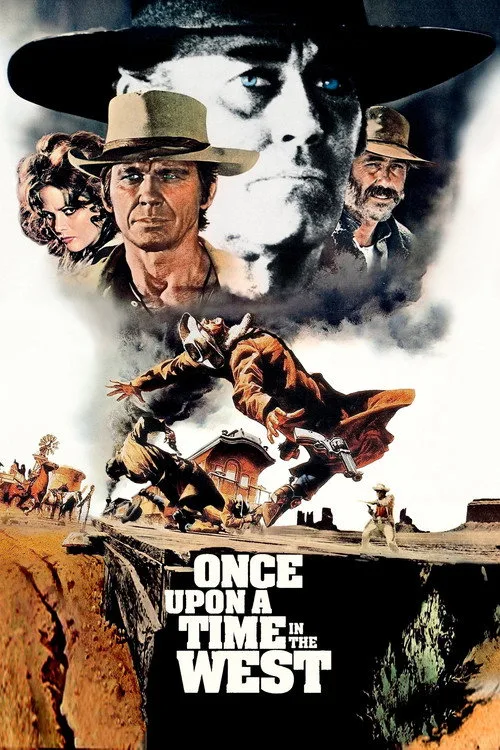
Once Upon a Time in the West
Drama, Western · 2h 46m
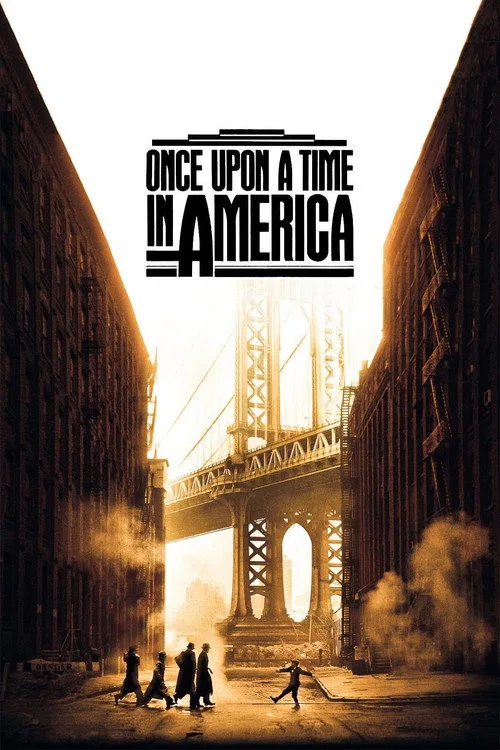
Once Upon a Time in America
Drama, Crime · 3h 49m
 MAMI 2015
Sholay
Action, Western · 3h 24m
Where can I watch The Good, the Bad and the Ugly?
Streaming: fuboTV, MGM+. Rent: Amazon Video, Apple TV, Google Play, YouTube, Fandango at Home, Spectrum On Demand. Buy: Amazon Video, Apple TV, Google Play, YouTube, Fandango at Home. Regional notes: fuboTV, MGM+ in the United States; MGM+ in the United Kingdom; MGM+ in India; U-NEXT in Japan.