Django Unchained (2012) Review: Tarantino's Furious Western
Django Unchained is Quentin Tarantino's blood-soaked revenge western about a freed slave and a bounty hunter: provocative, wildly entertaining and superbly acted.
★★★★½ 4.5/5
Yes. It is a thrilling, funny and genuinely angry western for adult viewers who can handle extreme violence and deliberately provocative treatment of slavery.
Is Django Unchained worth watching?
Yes. Django Unchained is one of Quentin Tarantino’s most purely entertaining films, a revenge western that pairs spaghetti-western swagger with real fury about American slavery. Christoph Waltz and Leonardo DiCaprio give two of the most memorable performances of the director’s career, and the dialogue crackles throughout. The reservations are a final stretch that runs long and violence that some viewers will find as troubling as it is cathartic.
What is Django Unchained about?
In the American South in the years before the Civil War, Django (Jamie Foxx), an enslaved man, is freed by Dr. King Schultz (Christoph Waltz), a German dentist turned bounty hunter who needs his help identifying a trio of wanted men. The two form an unlikely partnership, and Schultz agrees to help Django find and rescue his wife, Broomhilda (Kerry Washington), who has been sold away from him. Their search leads to Candyland, the Mississippi plantation of the charming and monstrous Calvin Candie (Leonardo DiCaprio).
Django Unchained was written and directed by Tarantino. It is an American production in English, runs 165 minutes, and won Academy Awards for Waltz’s supporting performance and Tarantino’s original screenplay. Samuel L. Jackson co-stars as Stephen, Candie’s head house servant, with Walton Goggins among the supporting cast.
A spaghetti western with a purpose
Tarantino takes the name and much of the style of Sergio Corbucci’s 1966 Italian western Django, and relocates it to the antebellum South. The whip-pans, sudden zooms, bold title cards and eclectic soundtrack, mixing classic western themes with modern hip-hop, announce a film that treats genre as a playground. Robert Richardson’s photography gives the snowbound mountains and Southern plantations an epic, heightened beauty.
But the genre games serve a serious point. By placing slavery at the centre of a revenge fantasy, the film confronts the brutality of the era more directly than most American westerns ever did, and the scenes of cruelty on the plantations are deliberately hard to watch. The film swings between comedy and horror, sometimes within a single scene, and at its best that tension is electrifying. An early sequence mocking a gang of hooded night riders is among the funniest things Tarantino has filmed.
Waltz, DiCaprio and Jackson steal the show
Waltz is superb as Schultz, a courtly, verbose killer whose sense of justice slowly grows into genuine moral outrage. His precise, playful delivery of Tarantino’s dialogue gives the first half its buoyancy, and his partnership with Foxx’s increasingly confident Django is the film’s warmest relationship.
DiCaprio, in his first major villain role, is chilling as Candie, a pampered, childish tyrant whose charm curdles into terrifying cruelty. Jackson is even more unsettling as Stephen, a character who has made his own accommodation with power, and his scenes with DiCaprio are among the most disturbing in the film. Foxx’s quieter, more reactive performance is sometimes overshadowed, but he grows into the role as Django grows into himself.
Where Tarantino indulges himself
The film’s final stretch is its weakest. After a superbly sustained central sequence at Candyland, the story continues for longer than it needs to, with detours that feel self-indulgent, including an ill-advised cameo from the director himself. The violence, too, is sometimes so extreme and stylised that it risks turning horror into spectacle, and the film’s use of racial slurs and its approach to slavery have divided audiences and critics since its release.
Who should watch Django Unchained?
It is for adult viewers who enjoy Tarantino’s style, fans of revisionist westerns, and anyone interested in bold, provocative filmmaking about American history. It contains extreme graphic violence, depictions of torture and brutality under slavery, and constant strong language including racial slurs. Set aside nearly three hours.
For more Tarantino:
- Inglourious Basterds, his earlier historical revenge fantasy, which also showcased Christoph Waltz in an Oscar-winning role.
- Pulp Fiction, the film that made his name, for the crime-movie side of his playful, dialogue-driven style.
The verdict
Django Unchained is a bold, exhilarating and deeply provocative western, carried by superb performances and Tarantino’s audacious mix of pulp and outrage. Its indulgent final stretch and extreme violence will not suit everyone, but it remains one of his most entertaining and ambitious films.
Rating: 4.5/5
Availability is a catalogue snapshot and can change. Confirm with the provider in your region.
Where to watch Django Unchained
Streaming: YouTube TV
Rent: Amazon Video, Google Play, YouTube, Fandango at Home, Spectrum On Demand
Buy: Amazon Video, Google Play, YouTube, Fandango at Home
By region: YouTube TV in the United States; Sky Cinema in the United Kingdom; Netflix, Catchplay in Indonesia; Prime Video, Disney+ Hotstar in India
Full scores and availability on the movie page.
If you liked Django Unchained
Ranked by genre overlap and Celluloid Score. More movies like Django Unchained →
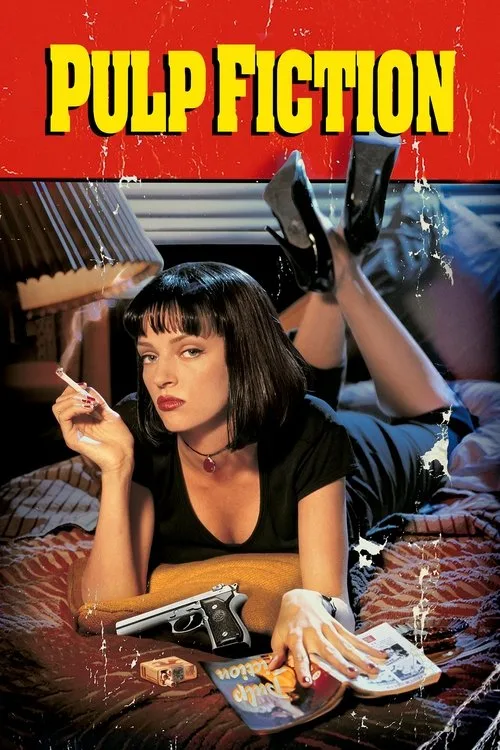 Cannes 1994
Pulp Fiction
Crime, Drama · 2h 34m
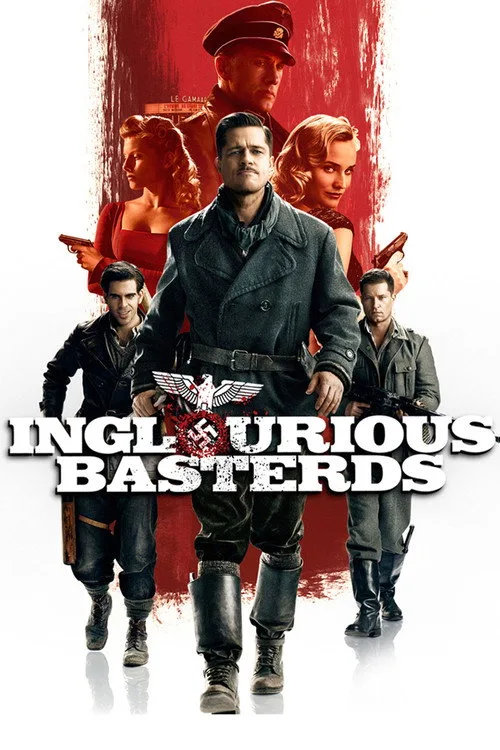 Cannes 2009
Inglourious Basterds
Drama, Thriller · 2h 33m
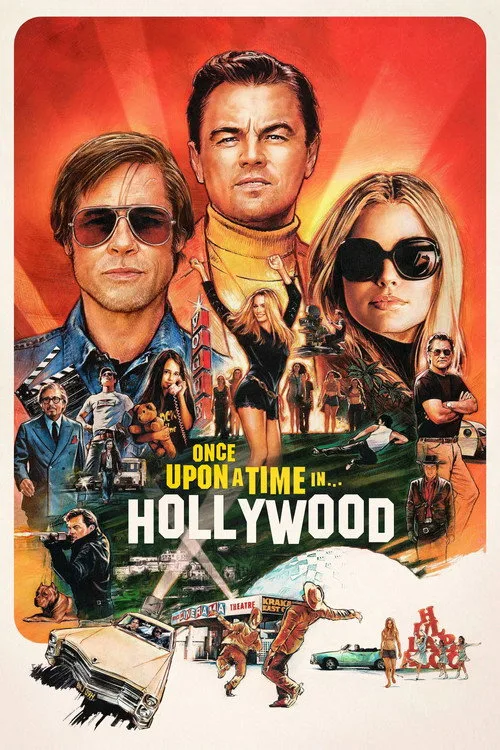 Cannes 2019
Once Upon a Time... in Hollywood
Comedy, Drama · 2h 42m
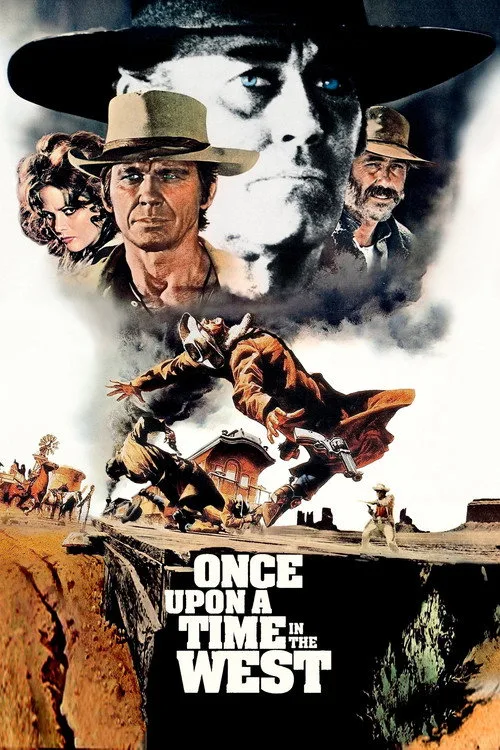
Once Upon a Time in the West
Drama, Western · 2h 46m
Where can I watch Django Unchained?
Streaming: YouTube TV. Rent: Amazon Video, Google Play, YouTube, Fandango at Home, Spectrum On Demand. Buy: Amazon Video, Google Play, YouTube, Fandango at Home. Regional notes: YouTube TV in the United States; Sky Cinema in the United Kingdom; Netflix, Catchplay in Indonesia; Prime Video, Disney+ Hotstar in India.