Saving Private Ryan (1998) Review: The Cost of One Life
Saving Private Ryan is Steven Spielberg's Second World War epic, a harrowing rescue-mission drama whose Omaha Beach landing changed how cinema shows combat.
★★★★½ 4.5/5
Yes. It remains one of the essential war films, for adults who can handle intense, graphic battle scenes and want a drama about duty that still hits hard.
Is Saving Private Ryan worth watching?
Yes. Saving Private Ryan is still one of the most powerful war films ever made, and its opening battle remains the benchmark every combat sequence since has been measured against. Steven Spielberg pairs overwhelming, documentary-style violence with a simple moral question about what one soldier’s life is worth, and Tom Hanks gives the story a tired, decent centre. The reservations are its sentimental framing and a middle stretch that can feel episodic, but neither dents its impact.
What is Saving Private Ryan about?
Saving Private Ryan opens in June 1944, as American troops land on the beaches of Normandy. In the aftermath, the army learns that three brothers from one family have been killed in action, and that the fourth, Private James Ryan (Matt Damon), is missing somewhere behind German lines after parachuting into France.
Captain John Miller (Tom Hanks), a Ranger officer who has just survived Omaha Beach, is ordered to take a small squad into enemy-held territory, find Ryan and bring him home. His men, including Tom Sizemore’s steady Sergeant Horvath, Edward Burns’s openly resentful Reiben, Barry Pepper’s devout sniper and Jeremy Davies as a translator who has never seen combat, are not convinced the mission makes sense.
Spielberg directs from a screenplay by Robert Rodat. It is an American production in English, and it runs 169 minutes.
The landing that rewrote the war film
The Omaha Beach sequence, which runs for roughly the first half hour, is the reason the film is still discussed as a turning point. Spielberg and cinematographer Janusz Kamiński drain the colour, shake the camera and chop the motion so that bullets, water and bodies arrive with no sense of order. There is no heroic overview of the battle; the audience knows only what the soldiers can see, hear and survive.
The sound design is just as important. Rounds snap past, hearing drops out, and cries for help are swallowed by noise. The sequence is graphic, but the violence is never staged for thrills. It establishes, before the plot has even begun, what the mission will ask of these men.
A squad of arguments, not just soldiers
Once the story moves inland, the film becomes a road movie through a ruined countryside, and its structure is deliberately simple. What gives it depth is that the squad keeps debating its own orders. Is it right to risk eight men for one? Is Ryan more valuable than they are? Rodat’s script lets the characters voice resentment, fear and gallows humour, and the ensemble makes them distinct quickly.
Hanks is ideal as Miller, an officer with a trembling hand whose civilian life is a running mystery to his own men. He plays leadership as exhaustion rather than bravado. Davies is the audience surrogate, a soldier who knows languages and maps but not killing, and his discomfort measures the film’s distance between idea and reality. Damon, arriving later, is used sparingly and well.
Where Spielberg reaches for the flag
The film’s weakest moments come when it steps back to underline its meaning. The present-day framing scenes and some of the staging around them lean on patriotic imagery and John Williams’s solemn music in ways that the rest of the film does not need. A few of the mid-film skirmishes also feel like set pieces strung together on the road to the final act. These are small complaints about a film this forceful, but they are why it sits a notch below perfect.
Who should watch Saving Private Ryan?
It is essential for anyone interested in war cinema, the Second World War or Spielberg’s career, and it still rewards viewers who have seen it before. At nearly three hours it is a serious commitment. The battle scenes are extremely graphic, with dismemberment and prolonged suffering, and there is heavy strong language, so it is strictly for adults and mature older teenagers.
Good follow-ups:
- Schindler’s List, Spielberg’s other great Second World War film, which turns from the battlefield to the Holocaust.
- The Zone of Interest, a radically different view of the same war that keeps its horror almost entirely off screen.
- Braveheart, an earlier example of 1990s battle filmmaking at scale, far more romantic in its view of combat.
The verdict
Saving Private Ryan earns its reputation. Its opening landing is still devastating, its squad drama asks a real moral question, and Hanks anchors it with understated grace. Some sentimental framing keeps it from perfection, but it remains a war film every serious viewer should see once.
Rating: 4.5/5
Availability is a catalogue snapshot and can change. Confirm with the provider in your region.
Where to watch Saving Private Ryan
Streaming: Paramount+, Peacock
Rent: Amazon Video, Apple TV, Google Play, YouTube, Fandango at Home
Buy: Amazon Video, Apple TV, Google Play, YouTube, Fandango at Home
By region: Paramount+, Peacock in the United States; Paramount+ in the United Kingdom; Catchplay, Vidio in Indonesia; Disney+ Hotstar in India
Full scores and availability on the movie page.
If you liked Saving Private Ryan
Ranked by genre overlap and Celluloid Score. More movies like Saving Private Ryan →
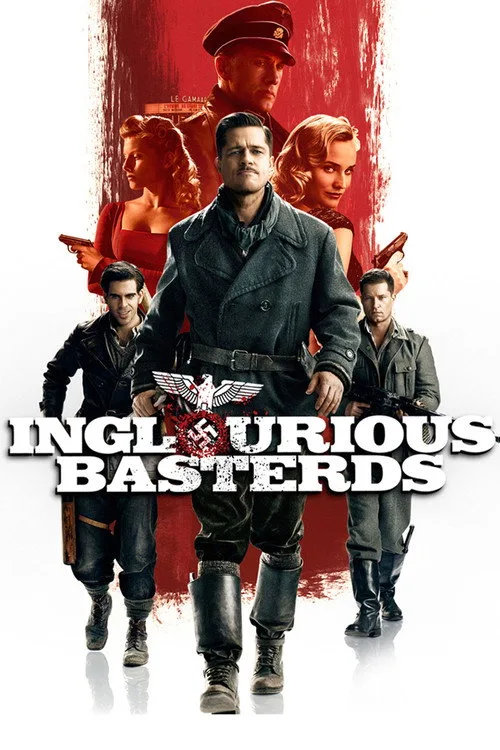 Cannes 2009
Inglourious Basterds
Drama, Thriller · 2h 33m
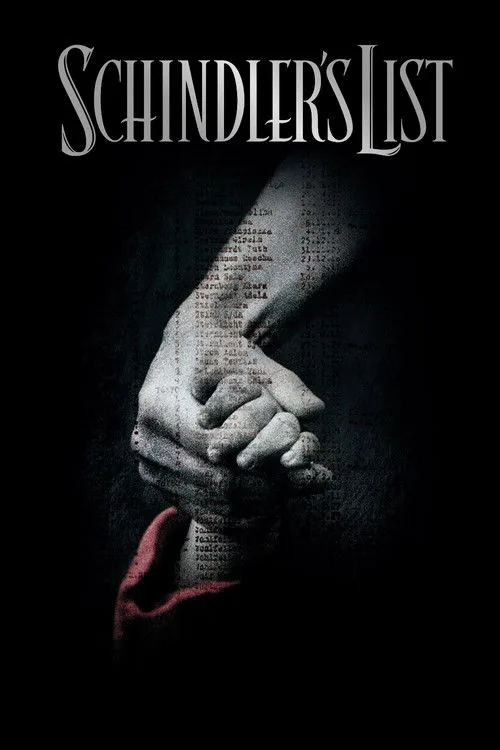 Featured
Schindler's List
Drama, History · 3h 15m
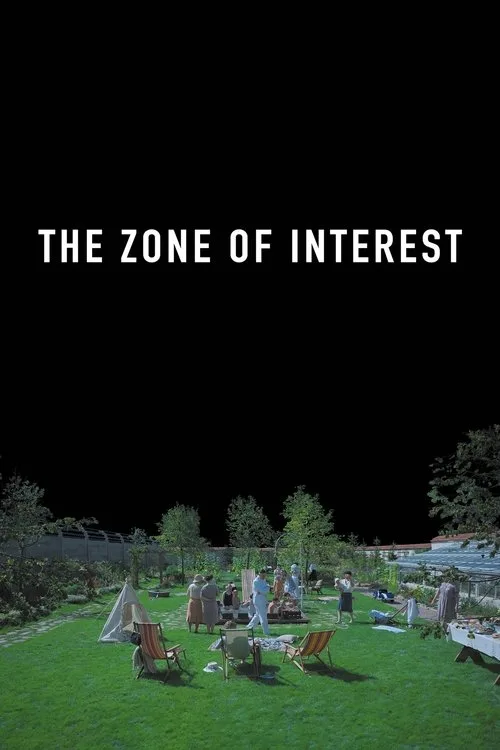 Cannes 2023
The Zone of Interest
Drama, History · 1h 45m
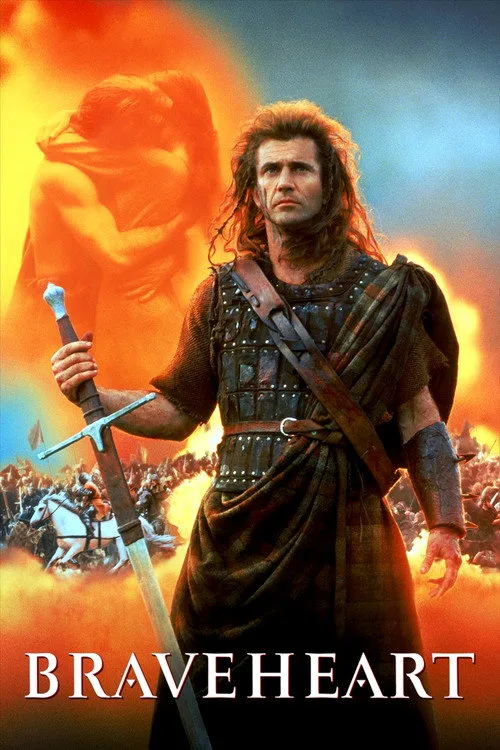
Braveheart
Action, Drama · 2h 58m
Where can I watch Saving Private Ryan?
Streaming: Paramount+, Peacock. Rent: Amazon Video, Apple TV, Google Play, YouTube, Fandango at Home. Buy: Amazon Video, Apple TV, Google Play, YouTube, Fandango at Home. Regional notes: Paramount+, Peacock in the United States; Paramount+ in the United Kingdom; Catchplay, Vidio in Indonesia; Disney+ Hotstar in India.