Rurouni Kenshin: Kyoto Inferno Review: The Saga Catches Fire
Rurouni Kenshin Part II: Kyoto Inferno sends Takeru Satoh's wandering swordsman to stop Tatsuya Fujiwara's Shishio, a bigger, darker Japanese action sequel.
★★★★½ 4.5/5
Yes. It is one of the best live-action manga adaptations ever made and a superb action film, but watch Origins first and have The Legend Ends ready to follow.
Is Rurouni Kenshin: Kyoto Inferno worth watching?
Yes. Kyoto Inferno is a thrilling middle chapter that expands the Rurouni Kenshin saga into a national crisis while keeping its hero’s vow not to kill at the centre of every fight. The sword choreography is some of the finest in modern action cinema, and Tatsuya Fujiwara’s Makoto Shishio is a villain with genuine menace. The main reservation is structural: this is half of a two-part story, so it ends on a cliffhanger rather than a conclusion.
What is Rurouni Kenshin: Kyoto Inferno about?
Some time after the events of Origins, Kenshin Himura (Takeru Satoh), the former assassin known as Battosai, is living peacefully at Kaoru Kamiya’s dojo in Tokyo. The new Meiji government then asks for his help. Makoto Shishio (Tatsuya Fujiwara), who took Kenshin’s place as a shadow assassin during the revolution before his own side betrayed him and left him burned, has assembled an army of killers in Kyoto and plans to topple the state. Against Kaoru’s wishes, Kenshin sets off west, meeting old enemies and new allies as Japan edges toward civil war.
Rurouni Kenshin Part II: Kyoto Inferno is directed by Keishi Otomo and adapted from Nobuhiro Watsuki’s manga. Emi Takei, Munetaka Aoki, Yu Aoi and Yosuke Eguchi return from the first film. It is a Japanese production in Japanese, runs 138 minutes, and was made back to back with its conclusion, The Legend Ends, which followed weeks later.
Action that tells character
The Rurouni Kenshin films are known for their speed, and Kyoto Inferno pushes that style further. Fights are shot with a clarity that lets the audience follow every movement, while the choreography uses walls, ceilings, stairs and whole villages as part of the duel. Kenshin’s reverse-blade sword, which he wields to disable rather than kill, gives every clash a moral tension: he fights at full speed while holding back from the killing blow.
Crucially, each opponent has a distinctive style. The members of Shishio’s elite band are introduced like characters in a manga panel, each with a signature weapon and personality, so that the fights feel like conversations between opposing philosophies rather than generic brawls. A set piece in a burning village and a race to stop a crisis on the water show how comfortably Otomo can scale up.
A villain wrapped in bandages and fury
Takeru Satoh remains a superb Kenshin, gentle and almost self-effacing until the moment he draws his sword, and his physical performance continues to anchor the franchise. But Kyoto Inferno belongs to its antagonist. Fujiwara plays Shishio almost entirely under bandages, relying on voice, posture and glinting eyes, and makes him a figure of seething resentment. He is what Kenshin might have become without his vow, which gives their conflict real thematic weight.
Supporting characters get welcome moments too. Munetaka Aoki’s brawler Sanosuke supplies energy and humour, Yosuke Eguchi’s Saito brings a hard-edged cool, and the new characters from the Kyoto arc add colour even if some of them get little time.
The cost of being a first half
The film’s biggest weakness is that it cannot resolve anything. Many threads are set up rather than paid off, and several new characters are introduced with the promise that their stories will matter later. The romantic storyline with Kaoru is mostly put on hold, and viewers who expect a satisfying ending will be frustrated. It works best seen as the first part of a single epic.
Who should watch Rurouni Kenshin: Kyoto Inferno?
It is essential for fans of the manga and the anime, admirers of Japanese action cinema and anyone who loved Origins. Watch the first film beforehand, and ideally plan to watch The Legend Ends soon after. The violence is frequent and occasionally bloody, with sword fights, burning and killings, but it is stylised rather than gory, making it suitable for older teenagers.
Where to go next:
- Rurouni Kenshin Part I: Origins, the essential first chapter that introduces Kenshin and his vow.
- Rurouni Kenshin Part III: The Legend Ends, which completes the Kyoto story directly.
- Seven Samurai, for the classic that set the template for Japanese sword epics.
The verdict
Kyoto Inferno is a big, confident sequel that raises the stakes and scale of the franchise without losing its emotional core. Its incomplete story is a genuine drawback, but its action, its hero and one of the saga’s great villains make it an exhilarating ride.
Rating: 4.5/5
Availability is a catalogue snapshot and can change. Confirm with the provider in your region.
Where to watch Rurouni Kenshin Part II: Kyoto Inferno
Streaming: Netflix
By region: Netflix in the United States; Netflix in the United Kingdom; Netflix in Indonesia; Netflix in India
Full scores and availability on the movie page.
If you liked Rurouni Kenshin Part II: Kyoto Inferno
Ranked by genre overlap and Celluloid Score. More movies like Rurouni Kenshin Part II: Kyoto Inferno →
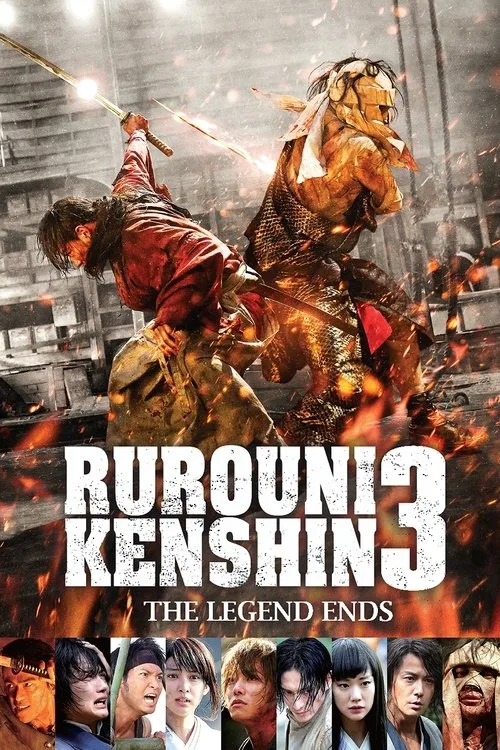 Tokyo 2014
Rurouni Kenshin Part III: The Legend Ends
Action, Adventure · 2h 15m
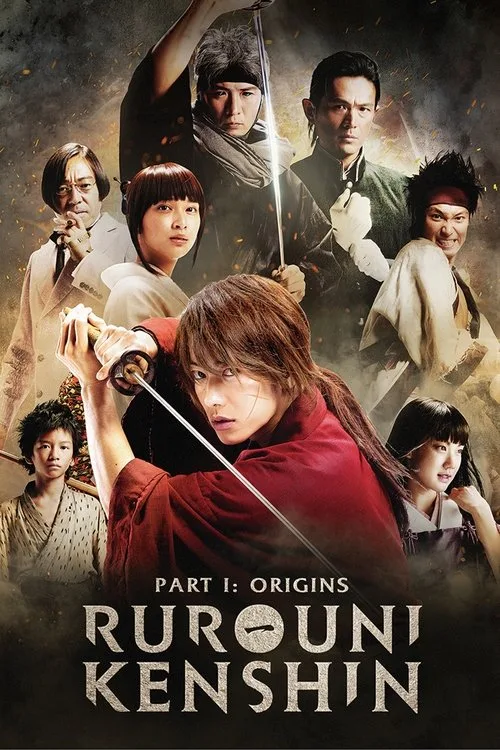 Tokyo 2012
Rurouni Kenshin Part I: Origins
Action, Adventure · 2h 14m
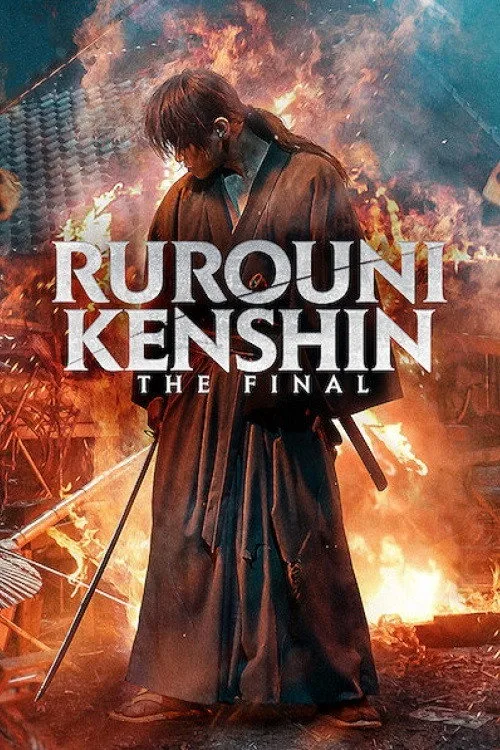 Tokyo 2021
Rurouni Kenshin: The Final
Action, Adventure · 2h 18m
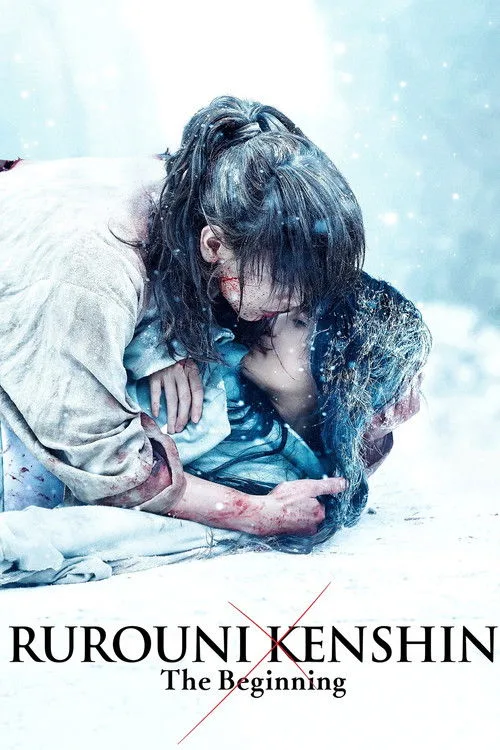 Tokyo 2021
Rurouni Kenshin: The Beginning
Action, Adventure · 2h 18m
Where can I watch Rurouni Kenshin Part II: Kyoto Inferno?
Streaming: Netflix. Regional notes: Netflix in the United States; Netflix in the United Kingdom; Netflix in Indonesia; Netflix in India.