Harakiri (1962) Review: The Samurai Code on Trial
Harakiri is Masaki Kobayashi's austere samurai masterpiece, in which a ronin's request to die becomes a devastating indictment of honour and hypocrisy.
★★★★½ 4.5/5
Yes. It is one of the greatest samurai films ever made, best for patient viewers who want a slow-burning moral drama rather than nonstop sword fights.
Is Harakiri worth watching?
Yes. Harakiri is one of the towering achievements of Japanese cinema, a samurai film that turns the genre’s ideals inside out and builds, with terrible patience, to an overwhelming climax. Masaki Kobayashi’s precise direction and Tatsuya Nakadai’s commanding lead performance make it as gripping now as it was in 1962. The reservations are its deliberate pace and one notoriously harrowing scene, which make it a demanding watch rather than an easy one.
What is Harakiri about?
In the early years of the Edo period, a long peace has left many samurai without masters or income. One of them, the ageing ronin Tsugumo Hanshirō (Tatsuya Nakadai), arrives at the prosperous estate of the House of Iyi. Impoverished and alone, he asks permission to commit seppuku, ritual suicide, in the clan’s courtyard, and for a worthy second to assist him.
The clan’s senior counsellor, Saitō (Rentarō Mikuni), suspects a trick. Other desperate ronin have made the same request in the hope of being paid to go away, and he tells Hanshirō the story of a young man, Chijiiwa Motome (Akira Ishihama), who came before him with the same plea. What follows is a battle of wills conducted through words, memories and interlocking stories, each of which exposes a little more of what lies behind the clan’s talk of honour.
Harakiri is a Japanese film in Japanese, directed by Kobayashi, and it runs 135 minutes in stark black and white.
A courtroom drama in samurai armour
Kobayashi structures the film almost like a trial. The courtyard is the courtroom, the clan’s retainers are the jury and Hanshirō is both defendant and prosecutor. Much of the film is quiet conversation punctuated by flashbacks, and the tension comes not from action but from the gradual reframing of everything the audience thought it understood.
The formal control is extraordinary. Symmetrical compositions, slow tracking shots across the courtyard and the looming presence of an empty suit of ancestral armour turn the Iyi estate into a monument to an institution that no longer deserves its reputation. Toru Takemitsu’s spare, eerie score, built from plucked strings and silence, keeps the atmosphere taut. When violence finally arrives, it carries the weight of everything that came before it.
Tatsuya Nakadai’s controlled fury
Nakadai was only around 30 when he played the weathered Hanshirō, and it is one of the great screen performances of the era. He speaks with quiet courtesy, sits almost motionless for long stretches and lets his eyes do the work, so that each small shift in his manner feels like a crack in a dam. Opposite him, Mikuni is formidable as Saitō, a man secure in the rules and privileges of his position.
Akira Ishihama and Shima Iwashita give the flashback sections their emotional weight, and Tetsuro Tamba brings a cold elegance to one of the clan’s finest swordsmen.
A film that demands patience
Harakiri is not a conventional action film despite its reputation, and viewers expecting the kinetic sword fights of Kurosawa’s samurai pictures may find the first hour static. The film is also extremely hard to watch at one point: an early seppuku sequence is prolonged and painful by design, and it has lost none of its capacity to shock. Its structure asks the audience to hold several timelines in mind, which rewards attention but punishes distraction.
Who should watch Harakiri?
It is essential for anyone interested in Japanese cinema, samurai films or cinema’s great anti-establishment dramas, and it is an ideal entry point for viewers who think classic black-and-white films are slow or remote. The violence is limited in quantity but intense and disturbing, and the themes of suicide and poverty are central, so it is best for adults and older teens.
To continue:
- Seven Samurai, Kurosawa’s epic, for a warmer and more expansive portrait of masterless warriors.
- Ran, Kurosawa’s late masterpiece, which shares Harakiri’s view of the samurai class as capable of great cruelty.
- Rurouni Kenshin: The Beginning, a modern samurai drama that treats its violence with similar gravity.
Browse more classics of the period in our history section.
The verdict
Harakiri is a masterpiece of controlled rage, a film that exposes the gap between an institution’s myths and its conduct with a clarity that still stings. Its slow opening and harrowing central scene ask a lot of the viewer, but the reward is one of the most powerful endings in the samurai genre and a lead performance for the ages.
Rating: 4.5/5
Availability is a catalogue snapshot and can change. Confirm with the provider in your region.
Where to watch Harakiri
Streaming: The Criterion Channel
Rent: Amazon Video, Apple TV
Buy: Amazon Video, Apple TV
By region: The Criterion Channel in the United States; Hulu, U-NEXT in Japan
Full scores and availability on the movie page.
If you liked Harakiri
Ranked by genre overlap and Celluloid Score. More movies like Harakiri →
 Tokyo 2000
Battle Royale
Thriller, Action · 1h 54m
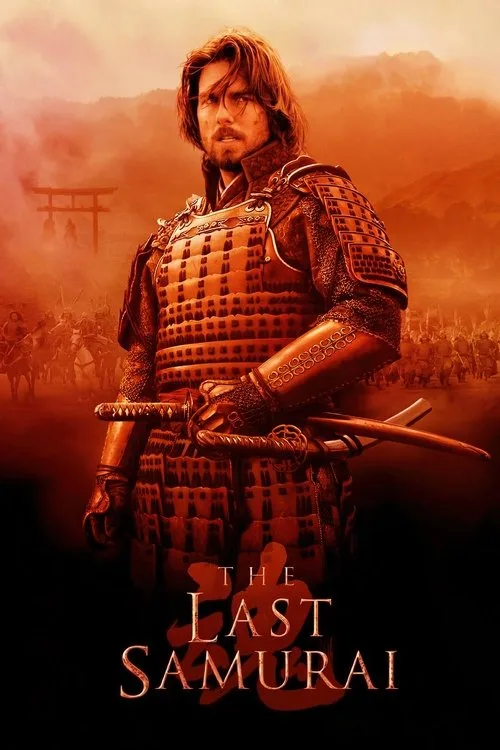
The Last Samurai
Drama, Action · 2h 34m
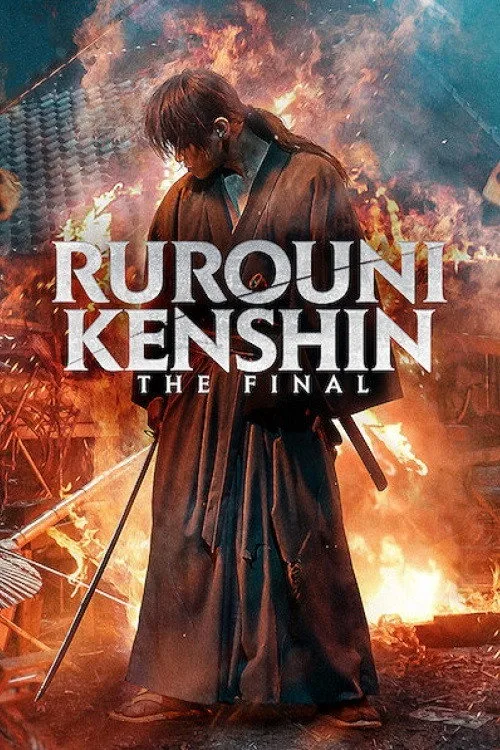 Tokyo 2021
Rurouni Kenshin: The Final
Action, Adventure · 2h 18m
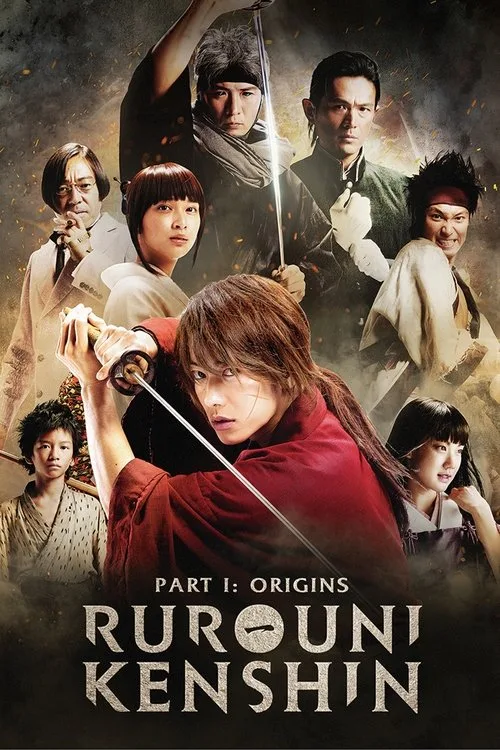 Tokyo 2012
Rurouni Kenshin Part I: Origins
Action, Adventure · 2h 14m
Where can I watch Harakiri?
Streaming: The Criterion Channel. Rent: Amazon Video, Apple TV. Buy: Amazon Video, Apple TV. Regional notes: The Criterion Channel in the United States; Hulu, U-NEXT in Japan.