Gogglebox (2013) Review: The Nation on Its Sofa
Gogglebox is Channel 4's long-running reality show in which British households react to the week's TV, and its real subject turns out to be the viewers.
★★★★☆ 4/5
Yes. It is warm, funny and oddly revealing reality TV, best dipped into week by week rather than binged, and ideal for anyone who likes hearing ordinary people talk.
Is Gogglebox worth watching?
Yes. Gogglebox is one of the cleverest simple formats on British television: a show about people watching TV that turns out to be about family, friendship and how the country talks to itself. Its strength is casting. The households are funny without straining for it, and their bickering, tenderness and one-liners feel unforced in a way most reality TV does not. The reservation is that it is built for the week it airs: older episodes react to programmes and news that have faded, and the format rarely changes, so your enjoyment depends on whether the sofas feel like company.
What is Gogglebox about?
The premise fits in a sentence. Cameras sit in the living rooms of households across Britain (couples, siblings, friends, parents with grown-up children) and film them as they watch a selection of the past week’s television, from prestige drama and documentaries to quiz shows and the news. Each episode cuts between their reactions: the laughs, the complaints, the arguments over who is right, and the occasional moment of real feeling when a programme hits home.
Gogglebox is a British reality series made for Channel 4, in English. It premiered in 2013 and is still running. This review covers the show as a whole, across 28 seasons (British TV calls them series) and more than 400 episodes, rather than any single run. There is no story to follow, so it can be picked up anywhere.
The casting is the craft
It would be easy to assume anyone could do this. They could not. The show has a knack for finding people who are quick and naturally expressive on camera without performing for it, and for choosing pairings so that each sofa has its own dynamic: the deadpan one beside the one who cries at everything, the couple who finish each other’s jokes, the parent whose running commentary mortifies the children. Over the years, regular viewers come to know these households almost like neighbours, and the show gains a soap-like pull from the small changes in their lives.
The editing matters just as much. Each segment sets up a programme in a few seconds, then plays the reactions like a relay, so a line from one living room lands against a raised eyebrow in the next. The rhythm is closer to sketch comedy than documentary, which is why episodes move so briskly even when little is happening on screen.
A mirror held up to the living room
What lifts Gogglebox above a gimmick is that it records something true about how people watch. The households talk back to the screen, drift off, get competitive over quiz answers and argue about politics, and in doing so they show how differently the same programme lands across ages, regions and backgrounds. When the week’s viewing includes something difficult, a hard documentary or a major news story, the show can become unexpectedly moving, because it captures an audience absorbing something together.
It is also affectionate. The comedy comes from recognition rather than mockery, and the series rarely invites viewers to sneer at the people on the sofas. That warmth is why it sits so comfortably among family viewing despite its occasional bluntness.
Where the format shows its age
The price of that simplicity is repetition. After more than a decade, the structure has barely moved, and some episodes feel like a rotation of familiar reactions to familiar kinds of programme. Because the material depends on the schedule, quality rises and falls with what was on: a strong week of television makes a strong episode, and a thin one shows. Long-serving cast members have also become recognisable faces in their own right, which now and then makes the reactions feel a little more aware of the camera than they once did.
Who should watch Gogglebox?
It suits anyone who likes comfortable, conversational television, the kind of thing to share with family at the end of a long week. It works best watched as it airs or dipped into at random; there is no need to start at the beginning, and bingeing hundreds of episodes misses the point. The language can be salty, and the programmes being watched sometimes include violent or distressing footage, so it is not always one for young children, even if its spirit is gentle.
If it clicks, three follow-ups:
- Clarkson’s Farm, another British reality hit whose appeal lies in personalities and good-natured chaos rather than competition.
- The Traitors, a sharper, game-driven format that shares the pleasure of watching people read one another.
- Jury Duty Presents: Company Retreat for comedy that also finds its laughs in real people’s reactions.
The verdict
Gogglebox is a simple idea executed with more skill than it lets on, and years into its run it remains one of the warmest and funniest things on British television. Its repetitiveness and its dependence on the week’s schedule keep it short of top marks, but at its best it says more about the nation than much of what its cast is watching.
Rating: 4/5
Availability is a catalogue snapshot and can change. Confirm with the provider in your region.
Where to watch Gogglebox
Platform: Channel 4
By region: Netflix, Sky Cinema in the United Kingdom
Full scores and availability on the series page.
More like Gogglebox
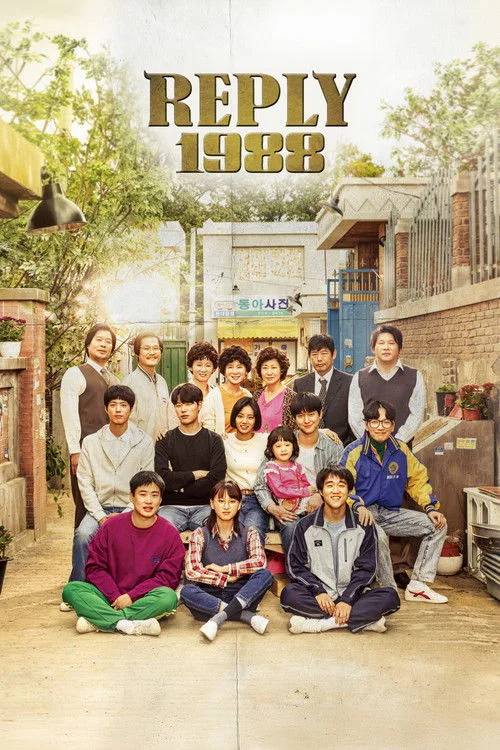 Netflix
Reply 1988
Drama, Comedy
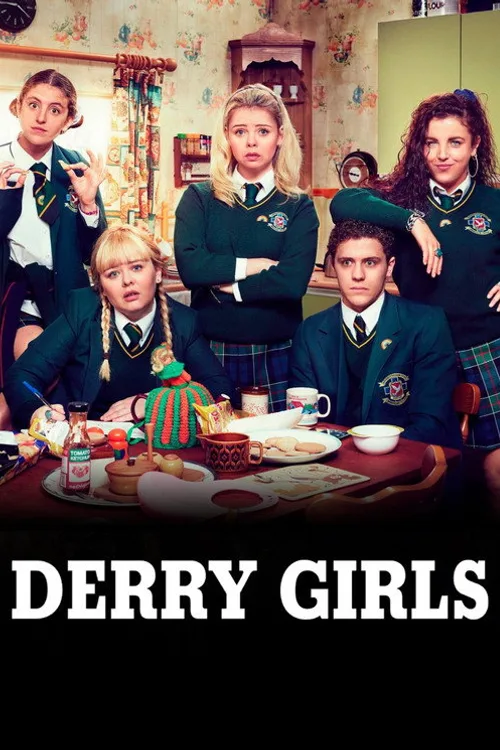 Channel 4
Derry Girls
Comedy, Drama
 Prime Video
Clarkson's Farm
Reality, Comedy
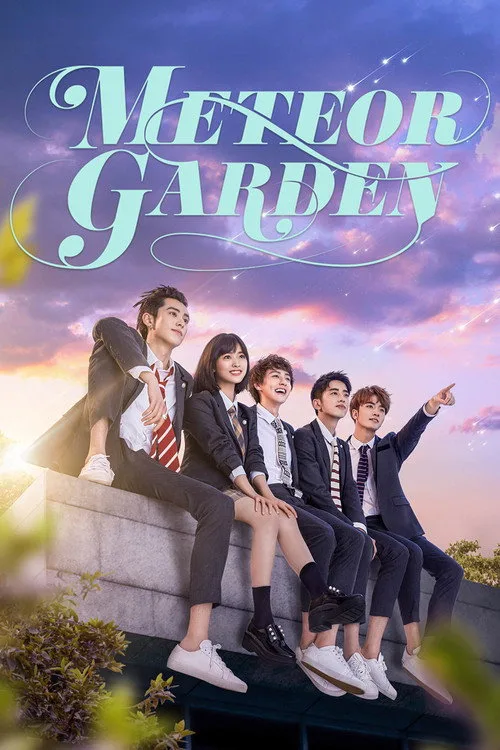 Hunan TV
Meteor Garden
Drama, Family
Where can I watch Gogglebox?
Catalog platform: Channel 4. Regional notes: Netflix, Sky Cinema in the United Kingdom.