Whiplash (2014) Review: A Jazz Drama Played Like a Thriller
Whiplash is Damien Chazelle's ferocious jazz drama about a young drummer and a tyrannical teacher, cut with the tension of a thriller and powered by J.K. Simmons.
★★★★½ 4.5/5
Yes. It is one of the most gripping films of its decade, and at 107 minutes it never wastes a beat. Ideal for anyone drawn to stories of ambition, music or obsession.
Is Whiplash worth watching?
Yes. Whiplash is a ferociously tense film about the cost of wanting to be great, and it plays a story about music lessons with the grip of a thriller. Damien Chazelle turns rehearsal rooms into battlegrounds, and J.K. Simmons gives one of the most frightening performances of modern American cinema as the teacher who rules them. The reservation is that the film’s idea of jazz is narrow, all speed and punishment, and its characters outside the central pair are thinly sketched.
What is Whiplash about?
Whiplash follows Andrew Neiman (Miles Teller), a first-year drummer at an elite music conservatory in New York who wants, more than anything, to be remembered as one of the greats. His chance seems to arrive when Terence Fletcher (J.K. Simmons), the school’s most feared conductor, invites him into his studio band. Andrew quickly learns that Fletcher’s method is built on intimidation, humiliation and a refusal ever to be satisfied, and the question becomes how far the young man will go to earn the approval of someone who seems incapable of giving it.
Paul Reiser plays Andrew’s gentle father and Melissa Benoist a young woman he begins to date. Chazelle wrote and directed the film, which is an American production in English and runs a lean 107 minutes. It won the Grand Jury Prize at the Sundance Film Festival in 2014, and Simmons went on to win the Academy Award for Best Supporting Actor.
Simmons makes cruelty magnetic
Fletcher could have been a cartoon drill sergeant. Simmons makes him something worse: a man who is funny, precise, occasionally charming, and who uses each of those qualities as a weapon. His insults are elaborate and wounding, but the scariest moments are the quiet ones, when he lowers his voice and seems almost kind just before the trap closes. The rehearsal scenes built around tempo, in which a single count can decide whether a player keeps his seat, are among the most nerve-racking sequences in any film of the period.
Teller matches him by making Andrew hard to like. He is arrogant, self-isolating and increasingly willing to hurt the people around him, and the film does not pretend otherwise. That honesty keeps the story from becoming a simple tale of an innocent student and a monstrous teacher. Andrew wants what Fletcher is selling, and Teller lets the audience see the hunger, not just the fear.
Editing that keeps time like a drummer
Chazelle and editor Tom Cross, whose work won an Oscar, cut the musical sequences with a percussionist’s precision. Close-ups of sweat, cymbals, taped fingers and blood on the drumheads land exactly on the beat, so the audience feels the physical toll of practice rather than just being told about it. The camera whips between Fletcher’s hands and Andrew’s face, turning the question of whether a player is rushing or dragging into a matter of life and death.
The sound design is just as disciplined. Silence between numbers is used as a threat, and the band’s performances are loud and close enough to feel dangerous. Few films about music make the act of playing seem this physically punishing, or this thrilling to watch.
Where the film narrows its view
The intensity comes at a price. Whiplash is interested in jazz mainly as a contest of speed, stamina and endurance, with little of the looseness, collaboration and joy that make the music matter to most listeners. Andrew’s relationships with his father and his girlfriend exist largely to show what his ambition costs, and Benoist in particular has too little room to become a full character. The film also declines to say plainly whether Fletcher’s methods are monstrous or effective, which some viewers will find bracing and others evasive. These are real limits, but they are the limits of a film that has chosen to be single-minded, like its hero.
Who should watch Whiplash?
It is a strong choice for anyone who likes character-driven drama with a thriller’s pulse, and for musicians who have ever sat in a rehearsal room with a demanding director. It works well for older teenagers and adults, though the language is relentlessly profane and the film depicts sustained verbal and psychological abuse, some physical intimidation and a few bloody moments. At 107 minutes, it is an easy single sitting that will likely prompt a long argument afterwards.
If it grips you, these make natural follow-ups:
- La La Land, Chazelle’s next film, a much warmer musical that returns to jazz and the sacrifices of ambition.
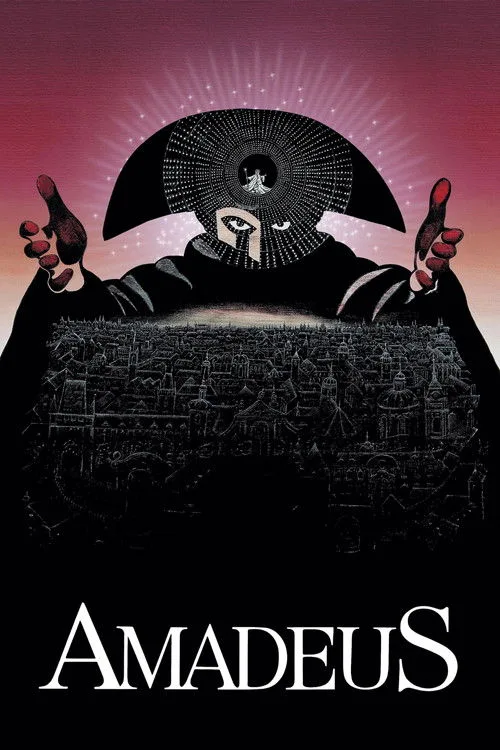
- Amadeus, another study of musical genius, envy and the damage done in pursuit of greatness.
- Nightcrawler, from the same year, a darker portrait of a young man whose drive curdles into something frightening.
The verdict
Whiplash is a lean, electrifying drama that turns practice and performance into a psychological duel, anchored by a towering Simmons and a fearless Teller. Its view of music is deliberately narrow and its supporting characters are thin, but few films about ambition are this precise, this tense or this hard to shake.
Rating: 4.5/5
Availability is a catalogue snapshot and can change. Confirm with the provider in your region.
Where to watch Whiplash
Not confirmed on major subscription platforms in our US baseline — check regional listings.
Rent: Amazon Video, Apple TV, Google Play, YouTube, Fandango at Home, Spectrum On Demand
Buy: Amazon Video, Apple TV, Google Play, YouTube, Fandango at Home
By region: Netflix, Wavve, TVING in South Korea; Prime Video, Hulu, U-NEXT in Japan; Shahid in the United Arab Emirates
Full scores and availability on the movie page.
If you liked Whiplash
Ranked by genre overlap and Celluloid Score. More movies like Whiplash →

Where can I watch Whiplash?
Rent: Amazon Video, Apple TV, Google Play, YouTube, Fandango at Home, Spectrum On Demand. Buy: Amazon Video, Apple TV, Google Play, YouTube, Fandango at Home. Regional notes: Netflix, Wavve, TVING in South Korea; Prime Video, Hulu, U-NEXT in Japan; Shahid in the United Arab Emirates.