The Way of the Dragon (1972) Review: Bruce Lee Takes Rome
The Way of the Dragon sends Bruce Lee to Rome to protect a family restaurant from gangsters; clumsy comedy gives way to some of the finest fights ever filmed.
★★★½☆ 3.5/5
Yes, for martial arts fans. The humour is dated and the first half drags, but Bruce Lee's fights, including his duel with Chuck Norris, are essential viewing.
Is The Way of the Dragon worth watching?
Yes, especially if you care about martial arts cinema. The Way of the Dragon is an uneven, often goofy film that contains some of the greatest fight choreography ever put on screen, including Bruce Lee’s legendary showdown with Chuck Norris. Lee wrote, directed and starred, and his command of screen combat is unmatched. The reservations are real, though: the fish-out-of-water comedy is broad and dated, the plot is thin, and the pace sags before the action takes over.
What is The Way of the Dragon about?
Tang Lung (Bruce Lee) is a country martial artist from Hong Kong who arrives in Rome to help family friends. Chen Ching-hua (Nora Miao) runs a Chinese restaurant there, and a local crime syndicate wants the property, using intimidation and violence to drive her and her staff out. Tang, who seems at first like a naive bumpkin baffled by Western customs, turns out to be exactly the protector the restaurant needs. As he fights off the gang’s thugs, the criminals escalate by hiring skilled foreign fighters, played by Chuck Norris, Robert Wall and Hwang In-shik.
Written and directed by Lee, The Way of the Dragon is a Hong Kong production running 100 minutes, shot partly on location in Rome. It was Lee’s only completed film as director, and it has circulated in several Chinese-language and English-dubbed versions over the years.
Bruce Lee as director and choreographer
Lee’s authorship is the film’s reason to exist. As a director, he is at his best staging action, and the fight sequences are a showcase for his philosophy of combat: fast, efficient, adaptable and expressive. Tang’s early brawls in the restaurant’s back alley are thrilling for their speed and clarity, and Lee uses nunchaku and his trademark cries and poses to create moments that became iconic across popular culture.
The climactic duel with Chuck Norris, staged in and around the Colosseum, is the film’s crowning achievement and one of the most celebrated one-on-one fights in cinema. It is paced like a drama rather than a brawl, with the two fighters sizing each other up, adapting their styles and trading momentum. Lee designs it as a story in itself, and it remains a masterclass in how to build tension through choreography alone.
Comedy that has not aged well
Where the film struggles is everything in between. The first half leans heavily on comedy about Tang’s unfamiliarity with Rome, from confusion over food to awkward encounters with locals, and much of it is broad and slow. Some of the humour relies on crude stereotypes, including a flamboyant gangster and cartoonish Italian heavies, that will make modern viewers wince.
Nora Miao is appealing as Chen, but the romance and family drama around the restaurant are underdeveloped. The film’s villains are more caricatures than characters, and the plotting is basic, existing mainly to deliver Tang to the next fight. As a piece of storytelling, it is far weaker than Lee’s best work.
Why it still matters
For all its flaws, The Way of the Dragon is a key film in martial arts history. It shows Lee taking creative control, and it anticipates the international ambitions of later Hong Kong action cinema by pitting a Chinese hero against Western and Japanese fighters. His confidence as a performer, whether posing, taunting or fighting, is magnetic, and the film captures him at the peak of his physical powers.
Who should watch The Way of the Dragon?
It is essential for martial arts fans, students of action choreography and anyone curious about Bruce Lee beyond his best-known film, Enter the Dragon. Casual viewers may find the comedy tedious, so patience is required. The violence is frequent but largely bloodless by modern standards, with some brutal moments in the later fights.
If you want more Hong Kong action:
- Police Story, for Jackie Chan’s stunt-driven blend of comedy and action, which built on the foundation Lee laid.
- The 36th Chamber of Shaolin, a classic training film that celebrates martial arts discipline with a richer story.
- Come Drink with Me, King Hu’s elegant swordplay film, for a look at the Hong Kong action tradition that preceded Lee.
The verdict
The Way of the Dragon is a flawed but historically vital film: clumsy and dated in its comedy, brilliant and timeless in its fights. The Colosseum duel alone justifies a viewing for anyone who loves action cinema.
Rating: 3.5/5
Availability is a catalogue snapshot and can change. Confirm with the provider in your region.
Where to watch The Way of the Dragon
Streaming: WeTV
Rent: Amazon Video, Apple TV, Google Play, YouTube, Fandango at Home
Buy: Amazon Video, Apple TV, Google Play, YouTube, Fandango at Home
By region: WeTV in the United States; WeTV in Indonesia; WeTV in India; Wavve, TVING, WeTV in South Korea
Full scores and availability on the movie page.
If you liked The Way of the Dragon
Ranked by genre overlap and Celluloid Score. More movies like The Way of the Dragon →
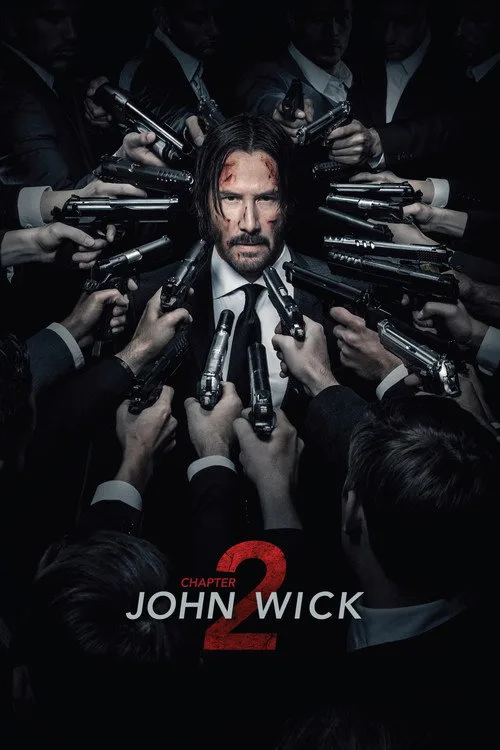
John Wick: Chapter 2
Action, Thriller · 2h 2m
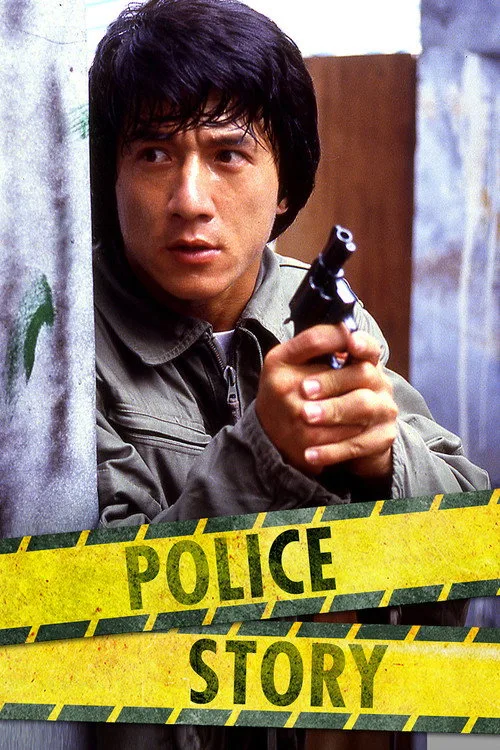
Police Story
Action, Crime · 1h 39m
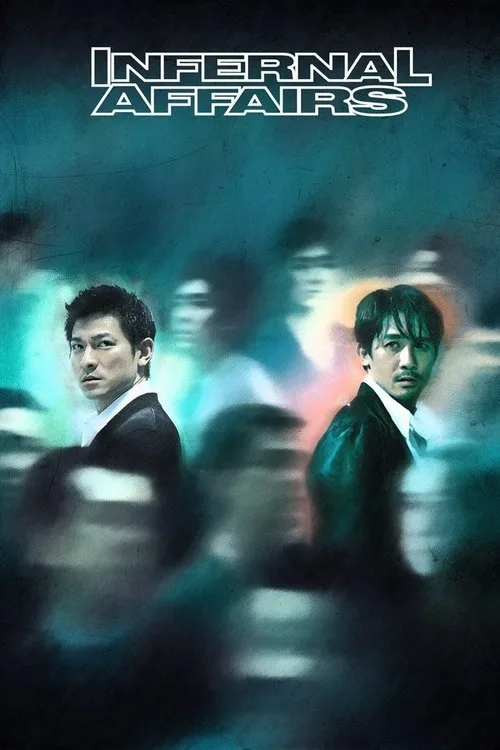 Golden Horse 2003
Infernal Affairs
Drama, Action · 1h 41m

The Dark Knight
Action, Crime · 2h 32m
Where can I watch The Way of the Dragon?
Streaming: WeTV. Rent: Amazon Video, Apple TV, Google Play, YouTube, Fandango at Home. Buy: Amazon Video, Apple TV, Google Play, YouTube, Fandango at Home. Regional notes: WeTV in the United States; WeTV in Indonesia; WeTV in India; Wavve, TVING, WeTV in South Korea.