Tropical Malady (2004) Review: A Romance That Turns Feral
Tropical Malady is Apichatpong Weerasethakul's two-part Thai fable, a tender gay romance that becomes a hypnotic jungle legend; mesmerising, if deeply elusive.
★★★½☆ 3.5/5
Yes, for adventurous viewers. Its split structure and slow, dreamlike second half will lose some audiences, but few films evoke desire and mystery so vividly.
Is Tropical Malady worth watching?
Yes, if you are open to slow, unconventional cinema. Tropical Malady is a strange and beautiful film that begins as a shy love story between two men and turns into a haunting jungle fable, and it lingers in the mind long after it ends. Apichatpong Weerasethakul trusts images, sound and silence to carry meaning, and the result is unlike almost anything else. The reservation is equally clear: the film’s abrupt shift in its second half is deliberately disorienting, and viewers who need a clear narrative will find it maddening.
What is Tropical Malady about?
In a small town in rural Thailand, Keng (Banlop Lomnoi), a young soldier, falls for Tong (Sakda Kaewbuadee), a country boy who lives with his family nearby. Their courtship unfolds in the most everyday settings: rides through town, a trip to the cinema, shared meals, idle afternoons. The film observes their growing attraction with patience and warmth, letting small gestures do the talking.
Then, roughly halfway through, the film changes shape. The second part leaves the town behind for the deep jungle, where a soldier follows the trail of a menacing presence that seems to belong to local legend. How the two halves relate is left for the viewer to feel out, and that is part of the experience.
Written and directed by Apichatpong, Tropical Malady is a Thai film in Thai, running 118 minutes. It competed at Cannes in 2004 and won the Jury Prize, cementing its director’s place in international art cinema.
The first half: tenderness without melodrama
The opening hour is disarmingly gentle. Apichatpong does not dramatise obstacles or stage confrontations; the romance simply exists, in small-town streets and family homes, and nobody makes a crisis of it. That lack of conflict is quietly radical for a film about two men in love, and it gives the relationship an easy, unforced intimacy.
The unpolished performances have a natural, slightly awkward quality that suits the material. Keng and Tong communicate through glances, teasing and physical closeness rather than declarations, and the director’s long, static takes let those moments breathe. Some viewers will find it too uneventful; others will find it among the most truthful depictions of early attraction on film.
The second half: a legend in the dark
The jungle section is where the film becomes unforgettable or impenetrable, depending on the viewer. Dialogue almost disappears. The screen fills with darkness, foliage and the dense night sounds of the forest, and the story plays out as a hunt that feels closer to myth or dream than drama. The sound design is extraordinary here: insects, wind, rustling leaves and distant animal calls create a sense of presence that no visual effect could.
The effect is to recast the romance in the first half. Desire, fear, surrender and the loss of self all seem to echo between the two parts, and the film suggests that love may be as wild and dangerous as anything in the jungle. It is an idea communicated through atmosphere rather than explanation.
Where the film asks too much
Apichatpong’s refusal to explain has a cost. The shift between halves is so stark that some viewers will feel the film has simply stopped and started again, and the jungle section’s length and near-silence can test the patience of even sympathetic audiences. It is a film that rewards surrender more than attention, and not everyone will want to surrender.
Who should watch Tropical Malady?
It suits viewers who love slow, meditative art cinema, admirers of queer cinema that avoids familiar tragic arcs, and anyone curious about the director’s singular style. Watch it in a dark, quiet room where its soundscape can work. Content is mild, with some gentle physical intimacy and moments of menace rather than graphic violence, reflected in its UK 12 certificate.
For more in the same vein:
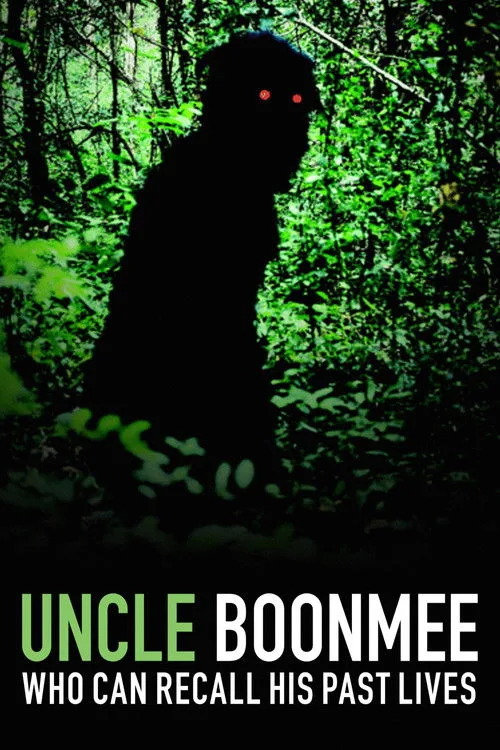
- Uncle Boonmee Who Can Recall His Past Lives, the director’s later film, which blends everyday life and the supernatural even more fluidly.
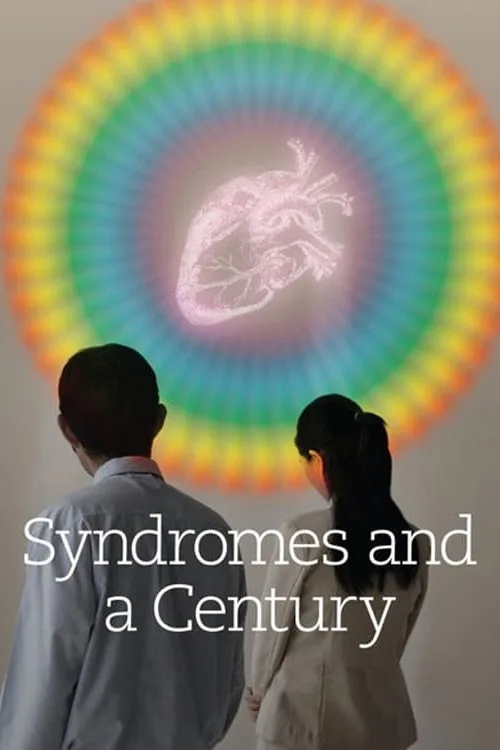
- Syndromes and a Century, another two-part Apichatpong film that mirrors one story across two settings.
- A Useful Ghost, a recent Thai fantasy that also treats love and the supernatural with deadpan strangeness.
The verdict
Tropical Malady is a daring, hypnotic film that turns a gentle romance into a primal legend, and its mysteries are the point rather than a flaw. It asks a great deal of patience, but for viewers willing to follow it into the dark, it offers something few films can.
Rating: 3.5/5
If you liked Tropical Malady
Ranked by genre overlap and Celluloid Score. More movies like Tropical Malady →
 Featured
Syndromes and a Century
Drama, Romance · 1h 45m
 Cannes 2010
Uncle Boonmee Who Can Recall His Past Lives
Drama, Fantasy · 1h 54m
 Berlinale 2017
On Body and Soul
Drama, Romance · 1h 56m
 Venice 2017
The Shape of Water
Drama, Fantasy · 2h 3m