The One-Armed Swordsman (1967) Review: Wuxia Learns to Bleed
The One-Armed Swordsman is Chang Cheh's landmark Shaw Brothers wuxia about a maimed fighter, a raw, influential film whose melodrama and fights now feel dated.
★★★½☆ 3.5/5
Yes, for martial arts fans and film historians. It is a genre-defining classic with a great hero, though casual viewers may find its pace and fights old-fashioned.
Is The One-Armed Swordsman worth watching?
Yes, especially if you care about martial arts cinema. The One-Armed Swordsman is the film that turned Hong Kong swordplay pictures towards blood, pain and brooding male heroism, and its wounded hero is still compelling. Jimmy Wang Yu’s stoic outsider set a template the genre followed for years. The reservations are that its fight choreography looks stiff next to what came later and its melodrama is heavy-handed, so modern viewers may admire it more than they thrill to it.
What is The One-Armed Swordsman about?
The One-Armed Swordsman centres on Fang Kang (Jimmy Wang Yu), the son of a servant who gave his life protecting a renowned swordsmanship master, Qi Ru-feng (Tien Feng). Raised as a student in the master’s school out of gratitude, Fang is resented by the wealthier pupils and by the master’s proud, spoiled daughter (Violet Pan Ying-zi).
A bitter confrontation with them leaves Fang maimed, his right arm severed, and he flees the school. He is taken in by a gentle farm girl, Xiao Man (Lisa Chiao Chiao), who nurses him and hopes he will leave violence behind for good. But the martial world he left is not finished with him: a pair of ruthless villains has devised a weapon designed to defeat his old master’s style, and Fang has to decide whether to take up the sword again with one hand.
Chang Cheh directed this Shaw Brothers production, which is in Mandarin and runs 111 minutes.
A new kind of martial arts hero
The film’s importance lies in its hero and its tone. Earlier Mandarin swordplay films were often graceful and romantic, while Chang Cheh favoured suffering, pride and physical sacrifice. Fang Kang is a loner defined by humiliation and loyalty, and his disability is not a gimmick but the core of his struggle: he must rebuild himself as a fighter and as a man.
Wang Yu plays him with a sullen, wounded intensity that feels modern even now. He was not a trained martial artist in the way later stars would be, but he has real screen charisma and a brooding stillness that made him a sensation. The film’s success made him a star and inspired a long run of sequels and imitators.
Violence that changed the genre
What shocked audiences at the time was the blood. Chang stages the fights with a new emphasis on wounds and pain, and the loss of the hero’s arm is played as a genuine trauma rather than a heroic flourish. The villains’ sword-trapping weapon adds a clever tactical dimension, forcing Fang to find a style no one else knows.
The production values reflect the Shaw Brothers studio at its peak, with elaborate sets for inns, courtyards and snowy forest roads, and widescreen colour photography that gives the action a theatrical sweep.
Where it shows its age
By later standards, the choreography is simple. The swordplay relies on quick cuts, acrobatic leaps and generous editing rather than the long, complex exchanges that Shaw Brothers films perfected in the following decade. The romance with Xiao Man is sweetly played by Lisa Chiao Chiao but sentimental, and the film’s treatment of women, particularly the master’s daughter, is crude. The pacing in the middle, as Fang recovers and retrains, can drag.
Who should watch The One-Armed Swordsman?
It is ideal for fans of classic martial arts action, wuxia and Shaw Brothers cinema, and for anyone interested in how Hong Kong action films developed. Newcomers used to modern choreography should approach it as a historical landmark rather than a pure adrenaline ride. The violence includes bloodshed and dismemberment, but by modern standards it is not graphic; older children and teenagers can handle it.
Where to go next:
- Five Deadly Venoms, a later Chang Cheh film with more intricate choreography and a mystery plot.
- The 36th Chamber of Shaolin, a Shaw Brothers classic in which training and rebuilding a fighter are equally central.
- Fist of Fury, which took the brooding, wronged-hero template into the Bruce Lee era.
The verdict
The One-Armed Swordsman is a historic genre landmark with a genuinely memorable hero and a harder edge than the swordplay films that preceded it. Its choreography and melodrama feel dated now, but its influence and its brooding power make it essential viewing for martial arts fans.
Rating: 3.5/5
Availability is a catalogue snapshot and can change. Confirm with the provider in your region.
Where to watch The One-Armed Swordsman
Not confirmed on major subscription platforms in our US baseline — check regional listings.
Rent: Amazon Video, Apple TV, Google Play, YouTube
Buy: Amazon Video, Apple TV, Google Play, YouTube
By region: Prime Video in Japan; Prime Video in South Africa
Full scores and availability on the movie page.
If you liked The One-Armed Swordsman
Ranked by genre overlap and Celluloid Score. More movies like The One-Armed Swordsman →
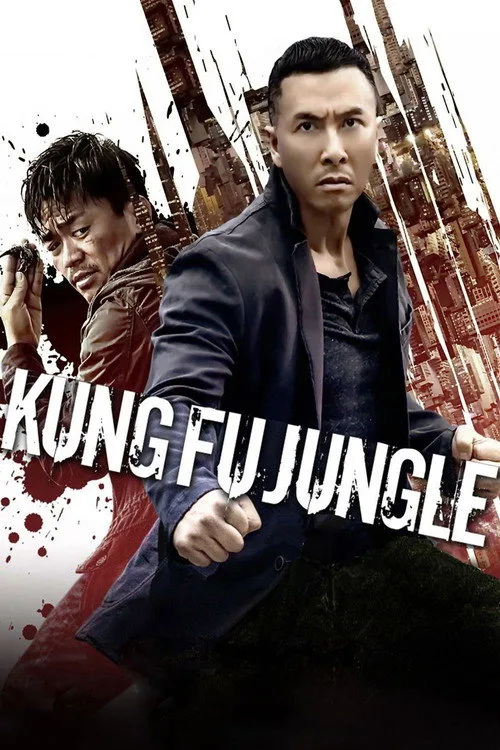
Kung Fu Jungle
Action, Thriller · 1h 40m
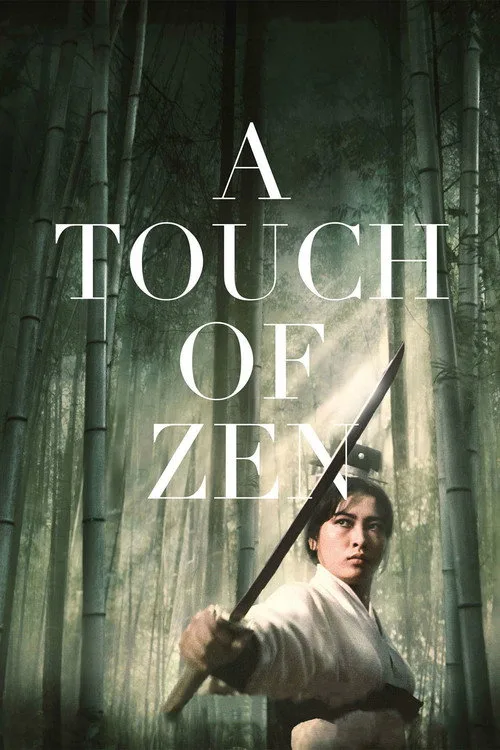
A Touch of Zen
Action, Adventure · 3h 0m
 Cannes 2004
House of Flying Daggers
Action, Romance · 1h 59m
 Berlinale 2003
Hero
Action, Drama · 1h 39m
Where can I watch The One-Armed Swordsman?
Rent: Amazon Video, Apple TV, Google Play, YouTube. Buy: Amazon Video, Apple TV, Google Play, YouTube. Regional notes: Prime Video in Japan; Prime Video in South Africa.