The Gospel of the Beast (2023) Review: A Stark Moral Fable
The Gospel of the Beast is Sheron R. Dayoc's bleak Filipino coming-of-age drama about a teenager undone by one terrible accident, tough to watch but hard to shake.
★★★½☆ 3.5/5
Yes, with reservations. It suits viewers drawn to grim, morally serious world cinema; those wanting hope or clear answers will find it heavy going.
Is The Gospel of the Beast worth watching?
Yes, for viewers with the stomach for it. The Gospel of the Beast is a lean, unsparing Filipino drama that uses one boy’s worst mistake to ask how violence is learned and passed on. Director Sheron R. Dayoc keeps the film tight and serious, and its young lead holds the centre with quiet conviction. The reservation is tone: the film’s bleakness is relentless, and its parable-like design can feel more schematic than lived-in.
What is The Gospel of the Beast about?
The Gospel of the Beast follows a teenage boy, played by Jansen Magpusao, who is searching for his absent father. During that search he accidentally kills his best friend, and the accident turns his life upside down. What follows, as the film’s own description puts it, is an education in the destructive realities of life, death and “beasthood”: the ways in which boys are shaped into men who harm.
Veteran actor Ronnie Lazaro heads a supporting cast that also includes John Renz Javier, Kyle Fermindoza and Nathan J. Sotto. Dayoc directs this Philippine production in Filipino, and it runs a compact 85 minutes. The film won the Best Narrative Feature prize at Balinale, the Bali International Film Festival, in 2024.
A coming-of-age story told through guilt
Most coming-of-age films are about discovery. This one is about damage. By placing an irreversible act near the start, Dayoc removes any possibility of an innocent youth story and replaces it with something closer to a moral trial: every scene afterwards is shadowed by what the boy has done and by what he might become. The title’s religious framing is apt, because the film is interested in sin, confession and the absence of absolution rather than in plot mechanics.
That approach gives the drama unusual weight for such a short film. There is little padding and few subplots; the story moves steadily from one hard lesson to the next. The effect is cumulative rather than dramatic, and the final stretch lands with more force because the film has refused to soften anything along the way.
Magpusao carries the silence
Much of the film depends on a young performer’s face, and Magpusao is well cast. He plays the boy as watchful and inward, more likely to absorb than to explain, and the film trusts him to convey fear, shame and a growing hardness without speeches. His stillness makes the adults around him, especially Lazaro’s weathered presence, feel all the more imposing.
The supporting cast of other young actors adds texture to a world in which boys look to each other, and to older men, for their ideas of strength. The film is at its most perceptive when it shows how quickly those ideas harden into codes of violence.
Where the parable pulls too tight
The film’s seriousness is also its limitation. Its characters, apart from the lead, often feel like representatives of an idea rather than fully drawn people, and the message about inherited brutality can arrive with more emphasis than necessary. Viewers who prefer ambiguity may feel steered. The unrelenting gloom, meanwhile, leaves little room for the small moments of warmth or humour that make similar dramas feel true to life.
None of this undoes its power, but it keeps The Gospel of the Beast closer to a stark fable than to the richly observed social realism of the best Filipino cinema.
Who should watch The Gospel of the Beast?
It will reward viewers who follow festival cinema from Southeast Asia and those interested in serious films about youth and violence. At 85 minutes it is easy to fit in, though not easy to shake off afterwards. It contains violence, death and disturbing themes involving minors, so it is strictly for adult audiences.
If it speaks to you, consider these dramas:
- Ma’ Rosa, Brillante Ma Mendoza’s raw Filipino drama about poverty and the compromises it forces on a family.
- Parasite, a more genre-driven study of how circumstance pushes ordinary people towards moral catastrophe.
The verdict
The Gospel of the Beast is a grim, focused drama that turns one boy’s accident into a sobering meditation on how brutality is taught. Its schematic edges and unbroken darkness will limit its audience, but its seriousness and central performance make it worth seeking out.
Rating: 3.5/5
If you liked The Gospel of the Beast
Ranked by genre overlap and Celluloid Score. More movies like The Gospel of the Beast →
 Balinale 2025
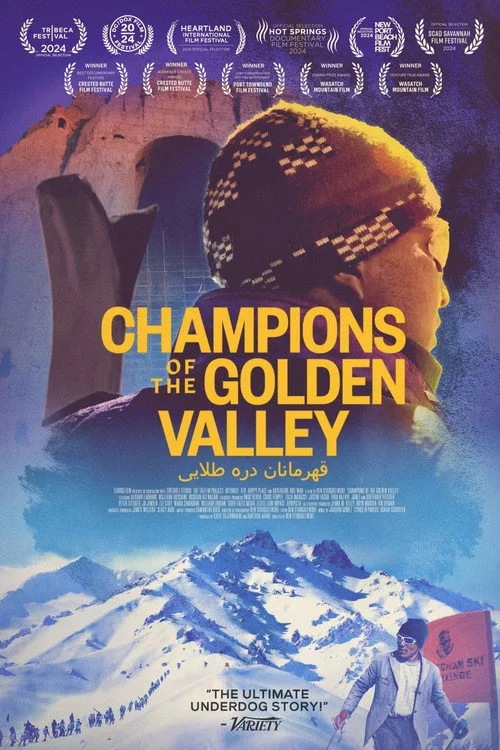
Champions of the Golden Valley
Documentary, Adventure · 1h 21m
 FeaturedBalinale 2023
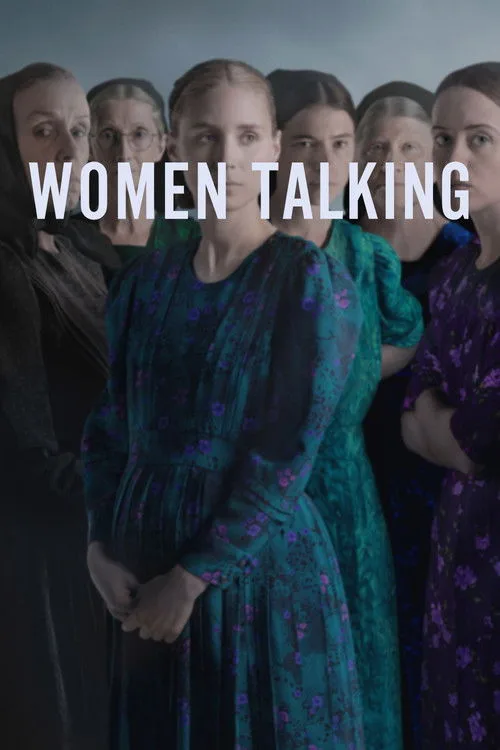
Women Talking
Drama · 1h 44m
 FeaturedBalinale 2026
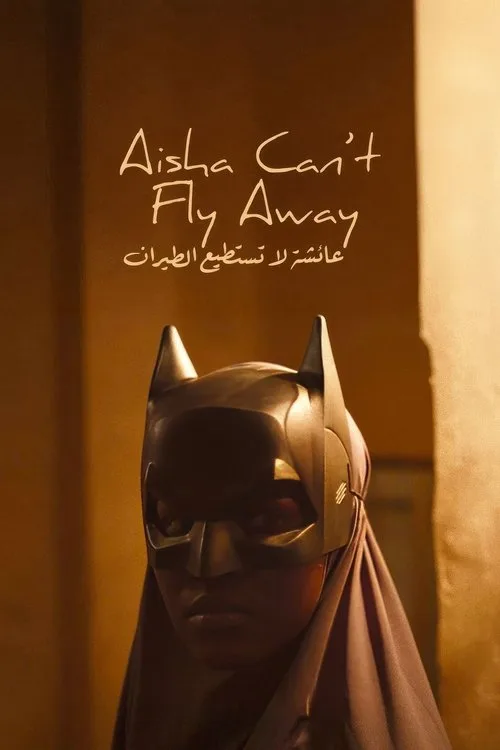
Aisha Can't Fly Away
Horror, Drama · 2h 11m
 FeaturedBalinale 2025
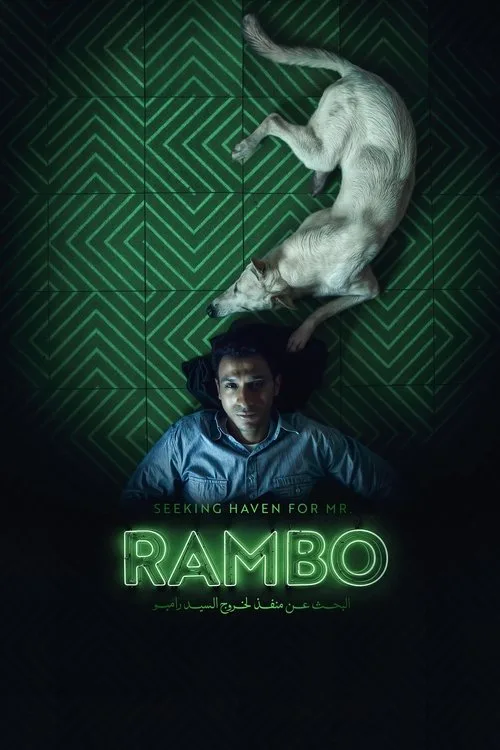
Seeking Haven for Mr. Rambo
Thriller, Drama · 1h 45m