The Godfather Part II (1974) Review: The Rise and the Rot
The Godfather Part II sets young Vito Corleone's rise against Michael's cold grip on power, a colder, more ambitious sequel that rivals and deepens the 1972 original.
★★★★½ 4.5/5
Yes. It is essential for anyone who loved The Godfather, though its length and chilly second half make it a film to plan for rather than start on a whim.
Is The Godfather Part II worth watching?
Yes. The Godfather Part II is one of the rare sequels that stands level with its predecessor, and in ambition it goes further, turning a crime saga into a study of what a family loses as it gains power. Francis Ford Coppola cross-cuts between two generations of Corleones to devastating effect, and Robert De Niro’s young Vito is a performance of quiet brilliance. The reservation is stamina: at 202 minutes, and far colder than the first film, it demands patience, and you need to have seen The Godfather first.
What is The Godfather Part II about?
The Godfather Part II tells two stories in parallel. In the first, a young Vito Corleone flees Sicily as a boy and grows up in the crowded immigrant streets of 1910s New York, where Robert De Niro plays him as a watchful young man slowly drawn into crime. In the second, set in the 1950s, his son Michael (Al Pacino) now runs the family from a lakeside compound and is trying to expand its business into Las Vegas, Hollywood and Cuba.
Around Michael are the survivors of the first film: Robert Duvall as the family lawyer Tom Hagen, Diane Keaton as his wife Kay, John Cazale as his brother Fredo and Talia Shire as his sister Connie. Lee Strasberg joins as Hyman Roth, a soft-spoken financier with whom Michael does business.
Coppola directs from a screenplay he wrote with Mario Puzo. It is an American production in English, with long stretches in Sicilian and Italian, and runs 202 minutes.
Two timelines, one argument
The structure is the film’s great idea. Vito’s story is warm, amber-lit and full of community: street festivals, crowded tenements, neighbours who come to him for help. Michael’s story is cold, spacious and increasingly empty, full of offices, hearing rooms and lakeside quiet. Coppola does not need to spell out the comparison. Each cut between eras makes the case that the family’s success has hollowed out the very loyalty it was supposed to protect.
Gordon Willis’s photography and Nino Rota’s score, returning from the first film, do much of this work. The New York sequences glow like old photographs, while Michael’s world looks as though the colour has been drained from it. It is one of the most carefully designed contrasts in American cinema.
De Niro and Pacino as father and son
De Niro, speaking mostly in Sicilian, builds young Vito from stillness and observation, suggesting the man Marlon Brando played without ever imitating him. His win for Best Supporting Actor was one of the film’s Academy Awards, alongside Best Picture and Best Director for Coppola.
Pacino’s Michael is harder to watch and just as impressive. Where the first film showed him changing, this one shows the cost of what he has become: suspicion hardening into isolation. Pacino plays long scenes almost without expression, and the smallest flicker in his face lands like a shout. Cazale’s Fredo, meanwhile, gives the film its most painful human note, a man whose weakness he cannot hide from anyone, least of all himself.
Where the sprawl shows
The 1950s storyline, with its business negotiations, rival interests and political manoeuvring, is more intricate than anything in the first film, and some viewers will lose track of who wants what. The Cuban section in particular is dense with plotting that pays off more on a second viewing than a first. Coldness is also the design, but it means the film offers less of the warmth and communal pleasure that make The Godfather so rewatchable.
Who should watch The Godfather Part II?
It is required viewing for anyone who admired The Godfather, ideally watched within a few days of it so the echoes land. Split it over two evenings if you need to; the parallel structure survives an interval better than most films. Expect bursts of bloody violence, strong language and a bleak, unforgiving mood, making it one for adults and older teenagers. More crime drama to seek out afterwards:
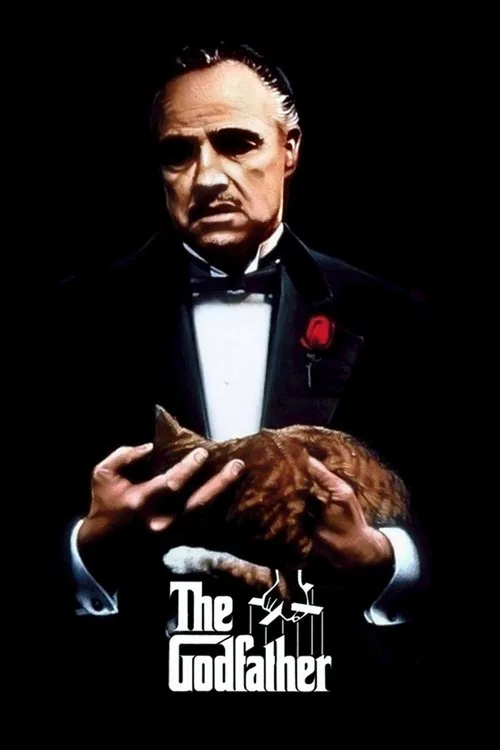
- The Godfather, the essential first chapter, warmer and more immediately gripping.
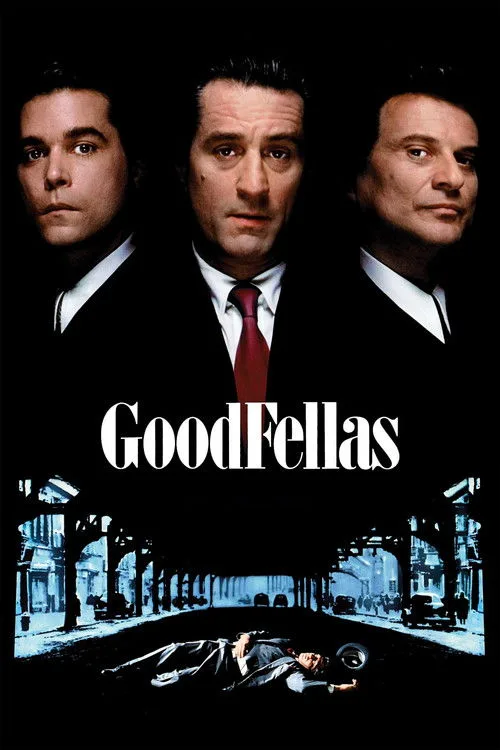
- GoodFellas, Martin Scorsese’s kinetic street-level counterpart to Coppola’s operatic saga.
- Killers of the Flower Moon, another long, patient American epic about greed disguised as family loyalty.
The verdict
The Godfather Part II is a monumental sequel that deepens rather than repeats the original, and its twin portraits of Vito and Michael form one of cinema’s great studies of power and loss. Its length and complexity make it more demanding than the first film, but few crime dramas have ever been this ambitious or this haunting.
Rating: 4.5/5
Availability is a catalogue snapshot and can change. Confirm with the provider in your region.
Where to watch The Godfather Part II
Streaming: Prime Video, Paramount+
Rent: Amazon Video, Apple TV, Google Play, YouTube, Fandango at Home, Spectrum On Demand
Buy: Amazon Video, Apple TV, Google Play, YouTube, Fandango at Home
By region: Prime Video, Paramount+ in the United States; Paramount+ in the United Kingdom; Netflix, Disney+ Hotstar in India; TV+ in Turkey
Full scores and availability on the movie page.
If you liked The Godfather Part II
Ranked by genre overlap and Celluloid Score. More movies like The Godfather Part II →
Where can I watch The Godfather Part II?
Streaming: Prime Video, Paramount+. Rent: Amazon Video, Apple TV, Google Play, YouTube, Fandango at Home, Spectrum On Demand. Buy: Amazon Video, Apple TV, Google Play, YouTube, Fandango at Home. Regional notes: Prime Video, Paramount+ in the United States; Paramount+ in the United Kingdom; Netflix, Disney+ Hotstar in India; TV+ in Turkey.