Solo, Solitude (2017) Review: A Poet in Hiding
Solo, Solitude is Yosep Anggi Noen's hushed drama about poet Wiji Thukul in hiding from the Suharto regime, a film about political fear told through silence.
★★★½☆ 3.5/5
Yes, for patient viewers. Anyone interested in Indonesian history or slow, restrained political cinema will find it haunting; those wanting a conventional biopic may not.
Is Solo, Solitude worth watching?
Yes, if you meet it on its own quiet terms. Solo, Solitude is a restrained, often haunting portrait of the poet Wiji Thukul in hiding, and one of the more thoughtful Indonesian films about life under the Suharto regime. Its great strength is the way it turns political repression into an atmosphere of waiting, watching and swallowed words. The reservation is that its minimalism assumes a lot of prior knowledge and gives outsiders little to hold on to, so its power can feel muffled.
What is Solo, Solitude about?
By 1996 the Suharto government has held power in Indonesia for three decades. Wiji Thukul (Gunawan Maryanto) is a poet whose verses are chanted by crowds at protests, and when riots break out in Jakarta that year, he and other activists are blamed. He flees to Pontianak, on Borneo, where he spends months moving between borrowed rooms and the homes of strangers, changing his identity while he keeps writing under a pen name. Back in Solo, in Central Java, his wife Sipon (Marissa Anita) raises their two children under constant surveillance.
Solo, Solitude is directed by Yosep Anggi Noen. It is an Indonesian-language drama running 97 minutes, released in Indonesia in January 2017 after winning the Golden Hanoman Award at the Jogja-NETPAC Asian Film Festival in 2016. Its Indonesian title is Istirahatlah Kata-Kata.
A political film that refuses speeches
The obvious way to film Wiji Thukul’s story would be to lean on the poems and the protests. Anggi Noen does almost the opposite. The film begins after the public figure has been forced out of public life, and it is interested in what exile does to a man whose power lay in speaking. Much of the running time is spent in cramped rooms and back streets, with Thukul listening for footsteps, making small talk he cannot trust, and keeping his voice down.
That choice makes the regime’s reach feel intimate. The film largely avoids overt spectacle; instead, fear shows up in the pauses of ordinary conversations and in the way strangers glance at a newcomer. It is an unusually precise picture of how authoritarian rule works on the nerves of people who never meet the men in charge.
Gunawan Maryanto and Marissa Anita carry the silence
Gunawan Maryanto plays Thukul with great economy. He gives the poet a watchful stillness, a man shrinking himself to avoid notice, and lets flashes of humour and stubbornness leak through. The performance never begs for sympathy, which makes the character’s isolation more affecting.
Marissa Anita has less screen time as Sipon but makes a strong impression. Her scenes in Solo, where the surveillance is constant and the absence of her husband fills every room, give the film a second perspective on exile: the family left behind also lives in hiding, only in plain sight. When Thukul’s poetry does surface, it lands with real force, because the film has made words feel so costly.
Where the restraint becomes a barrier
The minimalism that gives Solo, Solitude its mood also limits its reach. The film offers very little context about the 1996 unrest, the activist movement or Thukul’s standing as a poet, trusting that audiences already know. Indonesian viewers who carry that history with them will fill in the gaps; others may find long passages opaque. The deliberate pacing, with long, unhurried takes and scenes that end before they resolve, can turn from hypnotic to inert, and the middle stretch drifts at times.
It is also a film more concerned with mood than with drama in the usual sense. Viewers expecting a biopic with a clear arc, or a thriller about a man on the run, should adjust their expectations.
Who should watch Solo, Solitude?
It is best suited to viewers interested in Indonesian politics and the late Suharto era, admirers of slow, minimalist Asian art cinema, and anyone drawn to films about writers and censorship. A little background reading on Wiji Thukul, whose disappearance in 1998 remains unresolved, will enrich it considerably. There is little on-screen violence, but the atmosphere of menace is constant; at 97 minutes, it asks for patience rather than stamina.
Related viewing:
- Autobiography, Makbul Mubarak’s thriller about power and complicity, which examines the legacy of Indonesian authoritarianism from another angle.
- Laskar Pelangi, Riri Riza’s far warmer drama, for a very different Indonesian story about the value of words and education.
- More from the history shelf, for other films that dramatise real political events.
The verdict
Solo, Solitude is a quiet, intelligent film about a loud poet silenced, and it captures the texture of fear under Suharto with rare restraint. Its elliptical style and thin context will keep some viewers at a distance, but for those willing to lean in, it is a moving and memorable piece of Indonesian political cinema.
Rating: 3.5/5
If you liked Solo, Solitude
Ranked by genre overlap and Celluloid Score. More movies like Solo, Solitude →
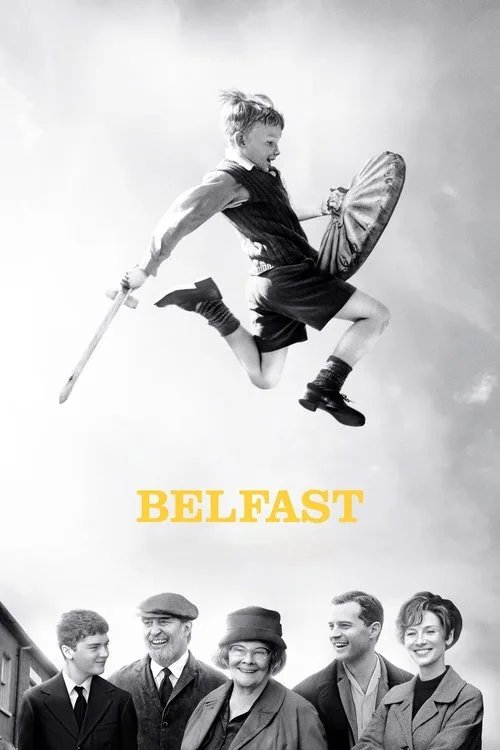 TIFF 2021
Belfast
Drama, History · 1h 38m
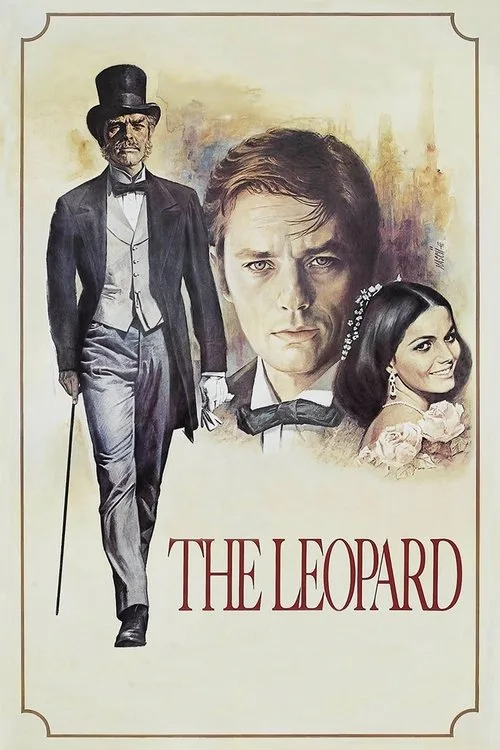 Cannes 1963
The Leopard
Drama, History · 3h 5m
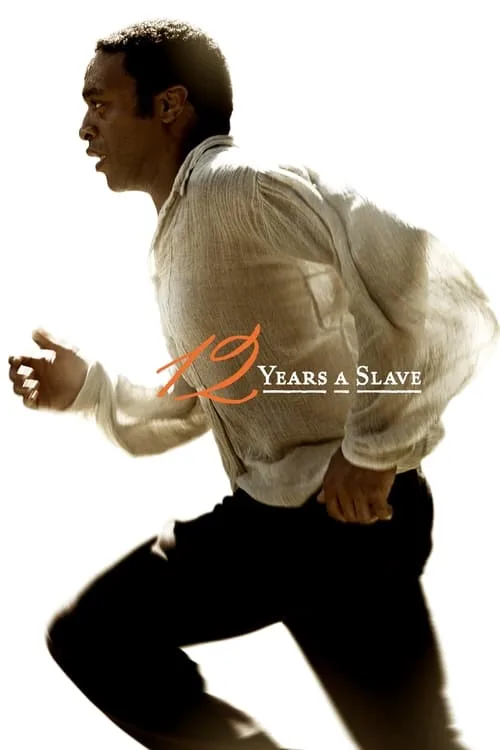 TIFF 2013
12 Years a Slave
Drama, History · 2h 14m
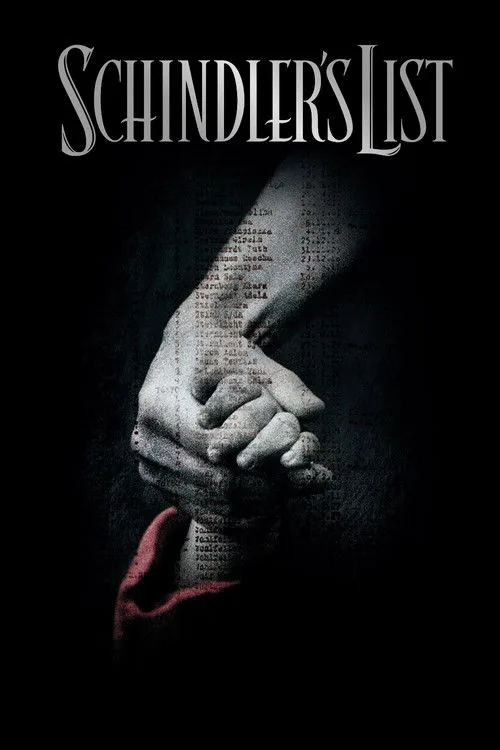 Featured
Schindler's List
Drama, History · 3h 15m