Raging Fire (2021) Review: Benny Chan Goes Out Firing
Raging Fire pits Donnie Yen's upright cop against Nicholas Tse's vengeful former protégé in Benny Chan's final film, a Hong Kong action thriller built on set pieces.
★★★½☆ 3.5/5
Yes, with reservations. Action fans should see it for Donnie Yen and Nicholas Tse at full tilt, as long as they can forgive a heavy, sentimental script.
Is Raging Fire worth watching?
Yes, with reservations. Raging Fire is a muscular, old-school Hong Kong cop thriller whose action sequences are among the best the genre produced in its decade. Benny Chan’s last film gives Donnie Yen and Nicholas Tse a proper rivalry to fight over, and when the two collide the film has real weight. What holds it back is the drama in between: a script that states every emotion twice and a moral argument that is more shouted than explored.
What is Raging Fire about?
Cheung Sung-bong (Donnie Yen) is a respected, stubbornly honest police inspector with a long record of closing dangerous cases. During a major operation, a crew of well-drilled masked robbers strikes first, and the trail leads to someone Bong knows well: Ngo (Nicholas Tse), a gifted former protégé whose police career ended in prison and who blames the system, and Bong, for what happened to him. What follows is a cat-and-mouse hunt through modern Hong Kong between two men trained by the same rulebook.
Raging Fire is directed by Benny Chan, who died in 2020 before its release, which gives the film an unavoidable sense of farewell. Qin Lan, Ray Lui, Simon Yam and Ben Lam lead the supporting cast. A Hong Kong and mainland Chinese co-production, it was made in Cantonese and also released in a Mandarin version, runs 125 minutes and reached cinemas in July 2021.
Set pieces that justify the ticket
Chan spent decades making Hong Kong action cinema, and Raging Fire plays like a summary of what he knew. The big sequences are staged with clarity and escalation: a street shootout that turns a busy city block into a war zone, a chase in which the geography stays readable even as the vehicles multiply, and close-quarters fights that feel dangerous rather than balletic.
Donnie Yen, who also handled the action design, adapts his style to the material. Instead of the precise showcases of his martial-arts roles, the fights here are scrappy and punishing, using whatever is to hand, and they suit a film about policemen rather than masters. The climactic confrontation between Yen and Tse is the payoff the whole film is built toward, and it delivers the physical intensity the setup promises.
Nicholas Tse makes the villain matter
The film’s best acting decision is Tse’s. Ngo could easily have been a snarling revenge machine, but Tse plays him as a man whose grievance is partly legitimate, and his anger has the bitterness of someone who once believed in the job. It gives the story a moral charge that the dialogue never quite manages on its own: Bong and Ngo are two versions of the same officer, one who kept the rules and one who was destroyed by them.
Yen, by contrast, is asked to be granite. His Bong is admirable and slightly remote, and the film leans on his stillness to suggest integrity. It works in the action and in scenes with his colleagues, but it leaves Tse to supply most of the emotional heat.
Where the melodrama overheats
Raging Fire is at its weakest when it stops moving. The domestic scenes, with Qin Lan as Bong’s wife, exist mainly to raise the stakes and are written in broad, familiar strokes. Senior officers bicker over politics in expository exchanges, and flashbacks underline motives that were already clear. The film’s view of policing is also simpler than it first suggests, raising uncomfortable questions about loyalty and accountability before retreating to a comfortable hero-versus-villain shape. None of this spoils the action, but it keeps the film from the top rank of Hong Kong crime cinema.
Who should watch Raging Fire?
It is an easy recommendation for fans of Donnie Yen, Hong Kong police thrillers and practical, large-scale action. Newcomers need no background; the story is self-contained. Expect a little over two hours, frequent gunfire, bloody hand-to-hand fights and some brutal moments of violence against police officers, which put it firmly in adult territory.
Good companions on the same shelf:
- Kung Fu Jungle, which puts Yen on the trail of a killer and doubles as a tribute to the genre’s stunt tradition.
- Project Gutenberg, a slicker, twistier Hong Kong crime thriller built around a charismatic antagonist.
- The Prosecutor, Yen’s own later turn as director, pairing courtroom drama with the same bruising style of action.
The verdict
Raging Fire is not subtle, and its drama rarely rises above the conventions of the cop thriller. But its action is superbly built, Nicholas Tse gives it a villain with a wound, and as a final film from Benny Chan it is a fitting send-off for a director who understood spectacle.
Rating: 3.5/5
Availability is a catalogue snapshot and can change. Confirm with the provider in your region.
Where to watch Raging Fire
Streaming: Prime Video, YouTube TV
Rent: Amazon Video, Apple TV, Fandango at Home
Buy: Amazon Video, Apple TV, Google Play, YouTube, Fandango at Home
By region: Prime Video, YouTube TV in the United States; Vidio in Indonesia; Wavve in South Korea
Full scores and availability on the movie page.
If you liked Raging Fire
Ranked by genre overlap and Celluloid Score. More movies like Raging Fire →
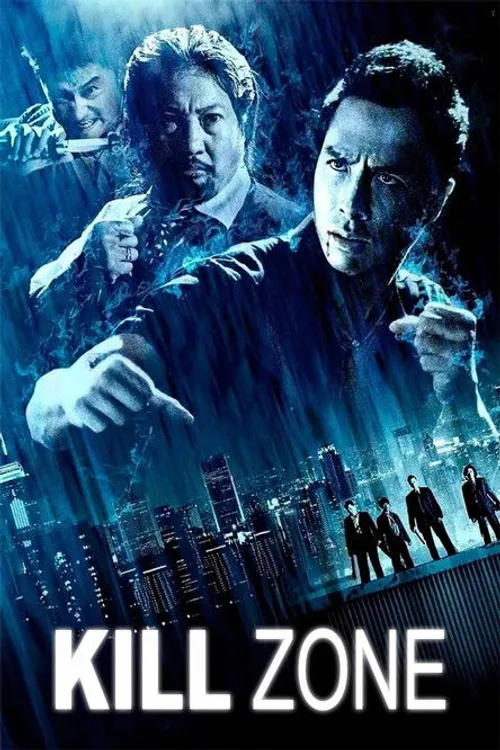
SPL: Kill Zone
Action, Crime · 1h 33m
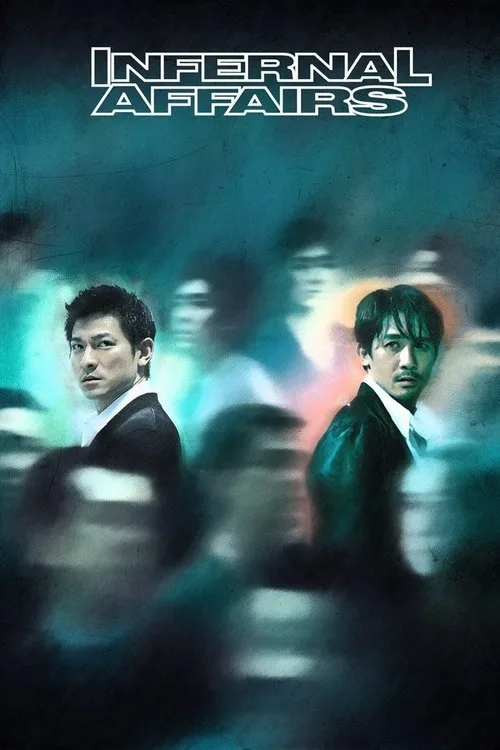 Golden Horse 2003
Infernal Affairs
Drama, Action · 1h 41m
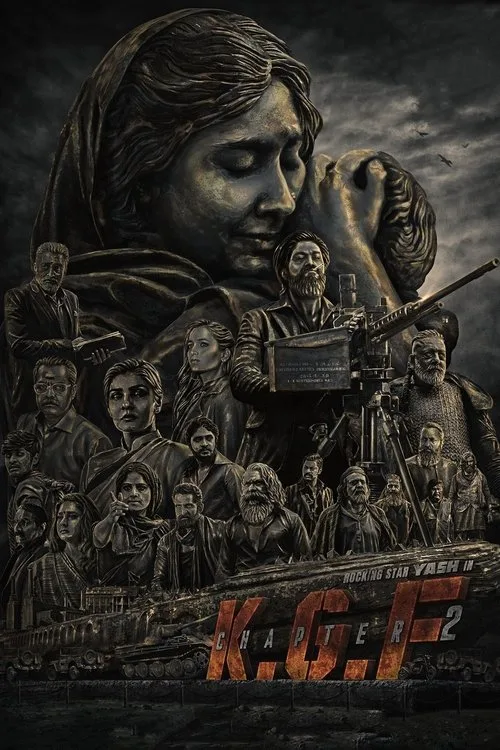 Featured
K.G.F: Chapter 2
Action, Thriller · 2h 48m
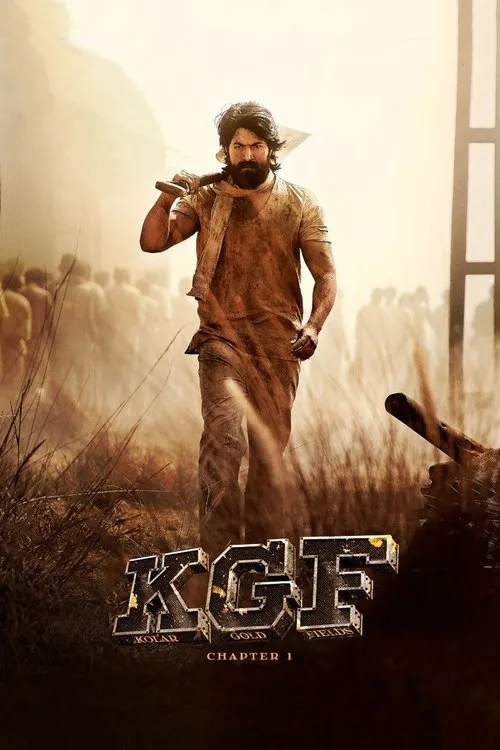 Featured
K.G.F: Chapter 1
Action, Thriller · 2h 36m
Where can I watch Raging Fire?
Streaming: Prime Video, YouTube TV. Rent: Amazon Video, Apple TV, Fandango at Home. Buy: Amazon Video, Apple TV, Google Play, YouTube, Fandango at Home. Regional notes: Prime Video, YouTube TV in the United States; Vidio in Indonesia; Wavve in South Korea.