Porcelain War (2024) Review: Art Made Under Fire
Porcelain War is an Oscar-nominated documentary about Ukrainian artists who stay to defend their home, making delicate porcelain while learning to fight a war.
★★★★☆ 4/5
Yes. It is a moving, beautifully shot portrait of creativity under bombardment, best for viewers who want the human side of the war in Ukraine rather than analysis.
Is Porcelain War worth watching?
Yes. Porcelain War is one of the most striking documentaries to come out of the war in Ukraine, a film about people who refuse to let an invasion take away their art as well as their homes. Co-directed by one of its own subjects, it has an intimacy that frontline reportage rarely achieves, and its images of fragile porcelain figures set against ruined streets are hard to forget. The reservation is that its focus is deliberately narrow: this is a personal portrait, not an explanation of the war.
What is Porcelain War about?
When Russia’s full-scale invasion began, the artists Slava Leontyev and Anya Stasenko, a couple who make small, whimsical porcelain figurines together, chose to stay in Ukraine. Their friend Andrey Stefanov, a painter, stayed too. As the film follows them, Slava is training civilians to fight, Andrey is handling the camera, and Anya keeps sculpting and painting, even as the sound of air raids becomes part of daily life.
The documentary moves between their studio, the countryside they love and the violent reality of the front, asking what it means to keep making beautiful, breakable things while your city is under attack.
Porcelain War is directed by Brendan Bellomo and Slava Leontyev, runs a tight 87 minutes, and is spoken largely in Ukrainian with some English. It won the Grand Jury Prize for documentary at the Sundance Film Festival and went on to be nominated for the Academy Award for Best Documentary Feature.
Beauty as an act of defiance
The film’s central idea is built into its title. Porcelain is delicate, slow to make and easy to break, and the artists’ patient work becomes a quiet argument against the speed and brutality of the war. Bellomo, whose background is in visual effects, shoots the tiny figurines in macro close-up, so that a painted animal or a delicate hand fills the frame in the same way a tank or a bombed building does elsewhere.
Sequences of animation based on Anya’s paintings are woven through the film, turning her artwork into moving images. They give the documentary a dreamlike, fairy-tale quality, and they express the characters’ inner lives in a way interviews alone could not.
Intimacy from inside the frame
Because Leontyev co-directed and Stefanov shot much of the footage, the film feels unusually close to its subjects. There are no expert talking heads or news anchors, just people speaking to each other and to the camera in kitchens, studios and trenches. Slava’s transformation from a gentle artist into a man teaching others to handle weapons is the film’s most unsettling thread, and the documentary lets it sit uncomfortably rather than turning it into heroism.
The combat footage is filmed from the perspective of the soldiers themselves, often shaky and chaotic, and the contrast with the carefully composed studio scenes is jarring by design.
The limits of a personal portrait
The film’s closeness is also its limitation. Viewers looking for context about the war’s history, politics or wider human cost will find little here, and the film is openly on its subjects’ side. The mix of animation, stylised photography and raw battle footage occasionally feels too polished, as though the beauty sometimes softens the horror it is set against. These are choices rather than failures, but they define what the film can and cannot do.
Who should watch Porcelain War?
It suits anyone interested in the war in Ukraine, in art and resilience, or in documentaries that feel personal rather than journalistic. At 87 minutes it is concise. There is combat footage, the sound and sight of shelling, and discussion of death and loss, though it is not gratuitous; it is best for teenagers and adults. Viewers affected by war trauma should take care.
For related documentary viewing:
- Flee, which also uses animation to tell a deeply personal story of war and displacement.
- All the Beauty and the Bloodshed, another portrait of an artist whose work becomes a form of resistance.
The verdict
Porcelain War is a moving and visually remarkable documentary that finds hope in the most fragile of materials. Its narrow scope and occasional polish keep it from being a complete picture of the war, but as a testimony to the stubbornness of creativity under fire, it is powerful and deeply humane.
Rating: 4/5
Availability is a catalogue snapshot and can change. Confirm with the provider in your region.
Where to watch Porcelain War
Not confirmed on major subscription platforms in our US baseline — check regional listings.
Rent: Amazon Video, Apple TV, Google Play, YouTube
Buy: Amazon Video, Apple TV, Google Play, YouTube
Full scores and availability on the movie page.
If you liked Porcelain War
Ranked by genre overlap and Celluloid Score. More movies like Porcelain War →
 FeaturedSundance 2025
Come See Me in the Good Light
Comedy, Drama · 1h 44m
 Balinale 2023
Crows Are White
Documentary · 1h 38m
 Balinale 2025
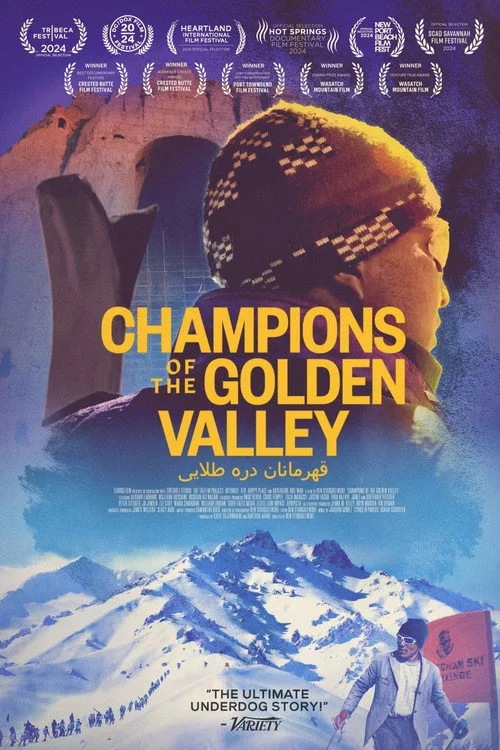
Champions of the Golden Valley
Documentary, Adventure · 1h 21m
 Balinale 2024
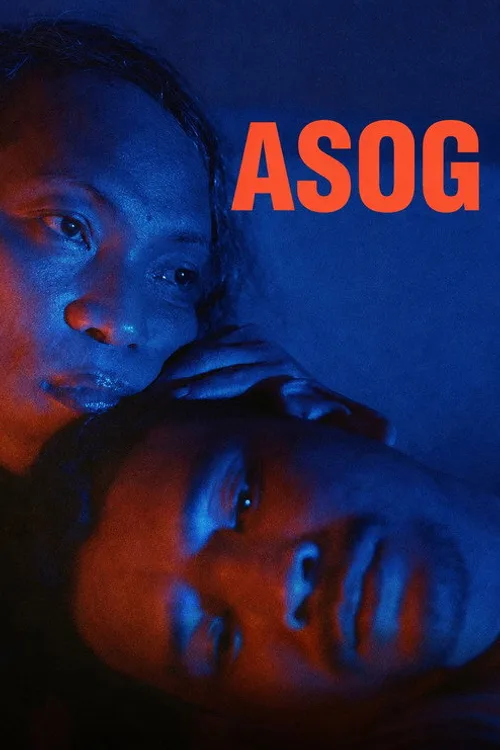
Asog
Documentary, Comedy · 1h 41m