Once Upon a Time in Anatolia (2011) Review: Night Search
Once Upon a Time in Anatolia is Nuri Bilge Ceylan's hypnotic crime drama about a night-long search for a body, where small talk slowly exposes deeper truths.
★★★★☆ 4/5
Yes, with reservations. It is a mesmerising, beautifully shot slow-burn for patient viewers of art cinema, but its length and pace make it a real commitment.
Is Once Upon a Time in Anatolia worth watching?
Yes, with reservations. Once Upon a Time in Anatolia is a haunting, meticulously crafted Turkish crime drama that turns a routine police search into a meditation on guilt, mortality and the lies people live with. Nuri Bilge Ceylan’s control of image and mood is masterly, and the film grows more absorbing the longer it runs. The reservation is obvious from the running time: at well over two and a half hours, with little conventional action, it asks for patience that not every viewer will want to give.
What is Once Upon a Time in Anatolia about?
A convoy of cars winds through the hills of the Anatolian steppe at night. Inside are a police commissar (Yılmaz Erdoğan), a prosecutor (Taner Birsel), a young doctor (Muhammet Uzuner), soldiers, diggers and a murder suspect, Kenan (Fırat Tanış), who has confessed along with his brother. Their task is to find the victim’s body. The problem is that Kenan cannot remember where it was buried, and as the search stretches into the night, the men fill the hours with talk that drifts from yoghurt and bureaucracy to marriage, regret and death.
Once Upon a Time in Anatolia was directed by Nuri Bilge Ceylan, who co-wrote it with Ebru Ceylan and Ercan Kesal. It is a Turkish film in Turkish, runs 163 minutes, and shared the Grand Prix at Cannes in 2011.
A procedural that refuses to hurry
The film takes the outline of a police story and strips away almost everything genre audiences expect. There are no chases or interrogation-room breakthroughs; instead, the drama lives in waiting, in misdirection and in the slow accumulation of detail. Ceylan understands that real investigations are tedious and absurd as often as they are tense, and he finds both dark comedy and quiet dread in the gap between official procedure and human fallibility.
What makes this compelling rather than merely slow is the way the conversations evolve. Idle chatter about trivial matters gradually gives way to more personal and troubling stories, and characters who seemed like functionaries begin to reveal private burdens. The investigation into one death becomes an inquiry into how these men think about their own lives.
Headlights, darkness and faces
Visually, the film is one of Ceylan’s most extraordinary. The opening hour takes place almost entirely at night, with the convoy’s headlights sweeping across rolling hills and lonely trees, and the images have a painterly depth that makes the landscape feel ancient and indifferent. A sequence in a village, lit by an oil lamp during a power cut, is one of the most beautiful passages in modern cinema, and it arrives with no narrative fanfare.
The performances are superbly understated. Muhammet Uzuner’s doctor, an observer more than an actor in events, gradually becomes the film’s moral centre, while Yılmaz Erdoğan gives the commissar a weary, irritable humanity. Taner Birsel’s prosecutor, polished and talkative, carries one of the film’s most important threads with great subtlety.
The cost of Ceylan’s patience
The film’s slowness is deliberate, but it is still a barrier. Some scenes stretch longer than their content requires, and the second half, as the action shifts from the night search to the town, loses some of the hypnotic spell of the opening. Viewers who are not attuned to long takes and dialogue-driven cinema may find their attention wandering well before the end.
Who should watch Once Upon a Time in Anatolia?
It is essential for fans of slow cinema and international art films, for admirers of Ceylan’s later work, and for anyone interested in crime stories that care more about people than plot. Watch it when you are rested, ideally on a large screen, and without distractions. Violence is minimal and not graphic, though the film deals frankly with death and includes some clinical material.
If it works for you, three more from the same director:
- Winter Sleep, Ceylan’s Palme d’Or winner, an even longer and more talk-driven study of moral self-deception.
- Three Monkeys, a darker family drama built around a crime and its cover-up.
- Distant, his breakthrough, a quieter portrait of loneliness in Istanbul.
The verdict
Once Upon a Time in Anatolia is a beautiful, patient and quietly profound crime drama, in which a search for a body becomes a search for meaning. Its length and deliberate pace will test some viewers, but for those who surrender to its rhythm, it is one of the finest Turkish films of the century.
Rating: 4/5
Availability is a catalogue snapshot and can change. Confirm with the provider in your region.
Where to watch Once Upon a Time in Anatolia
Not confirmed on major subscription platforms in our US baseline — check regional listings.
Rent: Apple TV
Buy: Apple TV
By region: TV+, HBO Max in Turkey
Full scores and availability on the movie page.
If you liked Once Upon a Time in Anatolia
Ranked by genre overlap and Celluloid Score. More movies like Once Upon a Time in Anatolia →
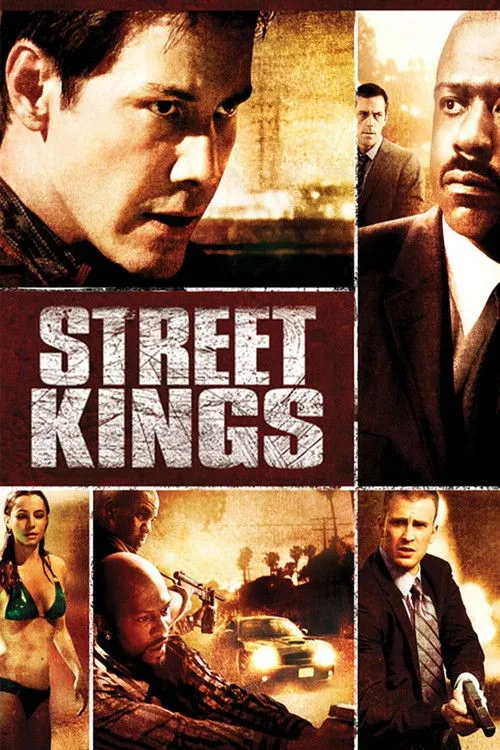
Street Kings
Action, Crime · 1h 49m
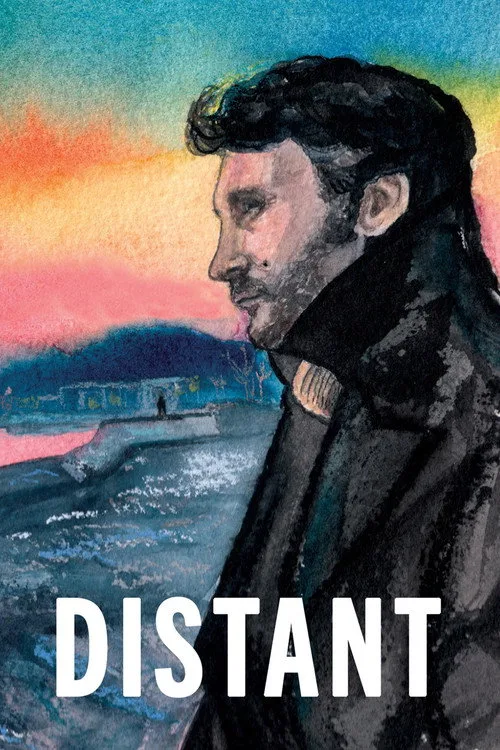 FeaturedAntalya 2002
Distant
Drama · 1h 46m
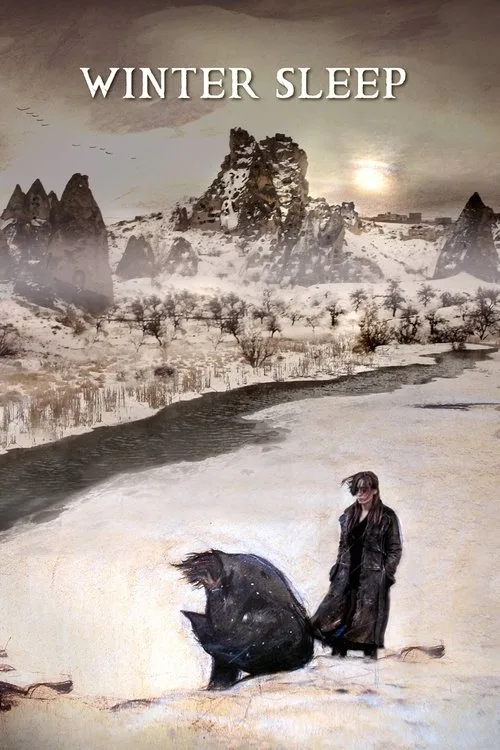 Cannes 2014
Winter Sleep
Drama · 3h 16m
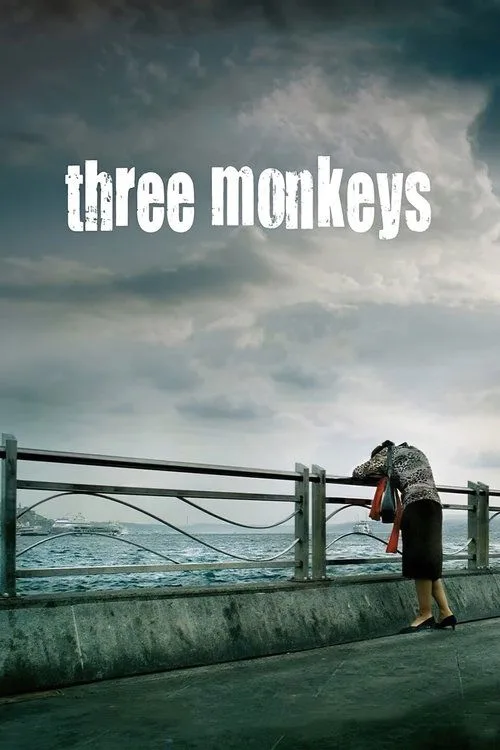 Antalya 2008
Three Monkeys
Drama, Thriller · 1h 49m
Where can I watch Once Upon a Time in Anatolia?
Rent: Apple TV. Buy: Apple TV. Regional notes: TV+, HBO Max in Turkey.