Nouvelle Vague (2025) Review: Breathless, Made Again
Nouvelle Vague is Richard Linklater's buoyant French-language comedy about Jean-Luc Godard shooting Breathless in 1959 Paris, a love letter to making films on nerve.
Yes. It is a joyous, witty re-creation of the French New Wave's birth, best for cinephiles, and still charming for anyone who likes films about making films.
Is Nouvelle Vague worth watching?
Yes. Nouvelle Vague is a delight: Richard Linklater’s affectionate, quick-witted account of how Jean-Luc Godard made Breathless, and one of the most purely pleasurable films about filmmaking in years. It captures the recklessness and fun of a young crew inventing new rules as they go, and it does so with a lightness that suits its subject. The reservation is that it is more celebration than investigation, and viewers with no feeling for Godard or the New Wave will get less from its many in-jokes.
What is Nouvelle Vague about?
Paris, 1959. Jean-Luc Godard (Guillaume Marbeck) is a restless young critic at Cahiers du cinéma who has watched his friends start directing and is desperate to follow them. He talks his way into making a low-budget crime romance on the streets of the city, with the American star Jean Seberg (Zoey Deutch) and a little-known Jean-Paul Belmondo (Aubry Dullin) in the leads. The film he makes will become Breathless, though nobody on set, least of all its nervous producer, can yet see why.
Nouvelle Vague follows that shoot day by day: borrowed locations, scenes written that morning, a cameraman working handheld among passers-by, and a director who treats every rule of professional filmmaking as a challenge. It is a French production in French, Linklater’s first film in the language, and it runs 106 minutes. It premiered in competition at Cannes in 2025.
Linklater makes the past feel improvised
The film’s cleverest decision is to look like its moment without becoming a museum piece. Shot in crisp black and white in a boxy frame, with period textures and a jazzy lightness, it has the grain and pace of late-1950s French cinema rather than a glossy biopic’s polish. Real figures of the era arrive with a playful introduction, as if the film were a yearbook of the New Wave, and the parade of critics, directors and technicians gives the story a sense of a whole generation moving at once.
What makes this Linklater’s film is its interest in process and conversation. As in his hang-out comedies, the drama lives in people talking, arguing and killing time, and he finds endless comedy in the gap between Godard’s grand pronouncements and the practical chaos of getting a scene shot before the light goes.
A Godard who is maddening and magnetic
Guillaume Marbeck, a newcomer, has the most difficult job: playing one of cinema’s great provocateurs without turning him into an impression. Behind dark glasses, he gives Godard a dry, aphoristic arrogance that is funny precisely because he means every word. The film lets him be exasperating to his cast and crew while making clear that his impatience is also his genius.
Zoey Deutch is excellent as Seberg, a Hollywood-trained actor who is baffled and increasingly annoyed by a director who will not tell her what the scene is. Her frustration grounds the film, because it reminds the audience that the method now celebrated as revolutionary felt, from inside, a lot like incompetence. Aubry Dullin captures Belmondo’s loose, rakish charm so well that his scenes often steal the show.
Affection that softens the edges
The limit of Nouvelle Vague is its warmth. Linklater clearly loves these people, and the film rarely lingers on the tensions and costs that such a hurried, ego-driven shoot might involve. The supporting figures are often sketches, and the pleasure of recognising them depends on knowing who they were. Viewers hoping for a searching portrait of Godard’s later, more radical work will find the film content to stay at the charming beginning. That is a choice rather than an accident, but it keeps the film light.
Who should watch Nouvelle Vague?
It is essential for cinephiles, film students and anyone who has seen Breathless, and it works as a gateway for curious viewers who have not; watching Godard’s film afterwards is a natural next step. Newcomers may miss some references, but the comedy of a chaotic film shoot needs no footnotes. There is little to worry about in content terms beyond smoking, some adult talk and a lot of subtitles. For more French-language and period comedy and drama, start here:
- The Artist, another black-and-white French love letter to film history, set in the silent era.
- Me and Orson Welles, Linklater’s earlier comedy about a young man drawn into a famous director’s orbit.
- Breathless itself, which this film makes you want to see again immediately.
The verdict
Nouvelle Vague is a generous, funny and beautifully made tribute to the moment a group of young critics decided to reinvent cinema, anchored by a sly lead performance and an unmistakable love of the medium. It skims over the harder edges of its story, but as a celebration of making art on nerve and instinct, it is hard to resist.
Availability is a catalogue snapshot and can change. Confirm with the provider in your region.
Where to watch Nouvelle Vague
Streaming: Netflix
By region: Netflix in the United States; BFI Player in the United Kingdom; Netflix, TVING in South Korea
Full scores and availability on the movie page.
If you liked Nouvelle Vague
Ranked by genre overlap and Celluloid Score.
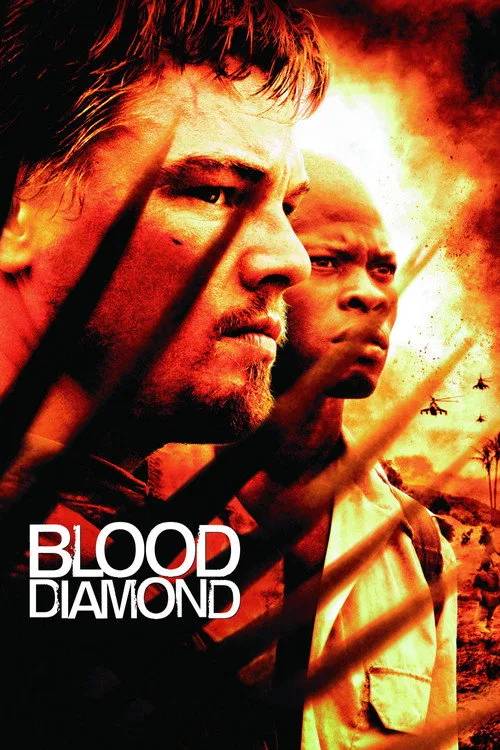 Featured
Blood Diamond
Drama, Thriller · 2h 23m
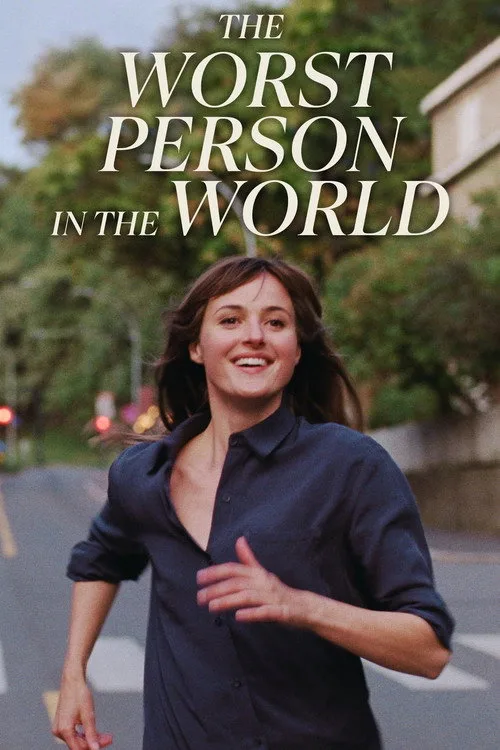 Cannes 2021
The Worst Person in the World
Drama, Romance · 2h 8m
 Cannes 2016
Toni Erdmann
Comedy, Drama · 2h 42m
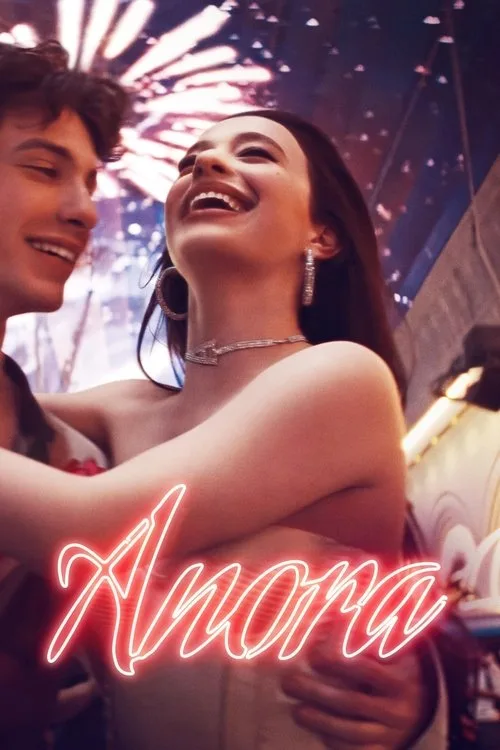 FeaturedCannes 2024
Anora
Comedy, Drama · 2h 19m
Where can I watch Nouvelle Vague?
Streaming: Netflix. Regional notes: Netflix in the United States; BFI Player in the United Kingdom; Netflix, TVING in South Korea.