Majority (2010) Review: A Son Shaped by His Father
Majority is Seren Yüce's cool, unsettling Istanbul drama about a drifting young man, his domineering father and the prejudice he inherits without noticing.
★★★½☆ 3.5/5
Yes, with reservations. It is a sharp, quietly damning Turkish social drama for patient viewers, though its passive hero and slow pace keep it at a distance.
Is Majority worth watching?
Yes, with reservations. Majority is a precise, uncomfortable portrait of how a comfortable young man becomes a copy of the father he resents, and a pointed look at the everyday prejudice of Turkey’s middle class. Seren Yüce’s debut observes rather than lectures, and its best scenes land with quiet force. The reservation is that its hero is so passive, and its pacing so deliberate, that the film can feel as inert as the life it depicts.
What is Majority about?
Majority follows Mertkan (Bartu Küçükçağlayan), a young man in Istanbul who works half-heartedly for his father’s construction business and drifts through his days with friends, cars and shopping malls. His father, Kemal (Settar Tanrıöğen), is a bully who rules the household through contempt and occasional force, and his mother (Nihal Koldaş) keeps the peace by staying silent. When Mertkan starts a relationship with Gül (Esme Madra), a young Kurdish woman from the east of the country, he takes a small step outside his family’s expectations and runs straight into their prejudices.
Yüce wrote and directed this Turkish-language film, which runs 111 minutes. It won the Golden Orange for best film at the 2010 Antalya festival.
A family where authority is inherited
The film’s strongest thread is its study of fathers and sons. Settar Tanrıöğen makes Kemal a frightening figure precisely because he is so ordinary: a self-made businessman, sure of his values, casually humiliating to his son and dismissive of anyone outside his circle. His power is less about violence than about habit, and the film shows how that habit gets passed down.
Bartu Küçükçağlayan plays Mertkan as a sullen, soft young man with little inner life he is willing to show, and the performance is braver than it first looks. Mertkan is not a rebel waiting to break free; he is a son who has absorbed more than he realises. Yüce lets that ambiguity sit uncomfortably, and the audience is never allowed to treat him as a straightforward victim.
Istanbul’s comfortable majority under the microscope
The title is the film’s argument. Yüce looks at the Turkish middle class, secure, consumerist and largely unexamined, and asks what it takes for granted. The settings, from new apartment blocks to malls, cafés and building sites, capture a city growing fast and a generation formed by that prosperity. The prejudice against Gül’s Kurdish background is shown not through speeches but through small remarks, silences and assumptions, which makes it more damning.
Esme Madra gives Gül intelligence and self-possession, and her scenes with Mertkan offer the film’s rare moments of openness. Nihal Koldaş, with far fewer lines, makes the mother’s silence one of its most eloquent elements.
Where the stillness becomes a limit
Yüce’s restraint is deliberate, but it has costs. Long stretches follow Mertkan’s aimless routine, and because he rarely articulates anything, the film’s emotional temperature stays low. Viewers may admire the precision while struggling to care what happens to him. Gül, too, is seen mostly through his eyes, which fits the film’s point but leaves her less developed than she deserves.
Who should watch Majority?
It is a good pick for viewers interested in contemporary Turkish cinema, social dramas about class and ethnicity, and films about fathers and sons. It is slow and understated, with moments of domestic aggression and verbal cruelty but little graphic content. Patience is rewarded, though not with catharsis.
For more Turkish films about families, power and those left out:
- Mustang, which also examines how a patriarchal household controls the young people inside it.
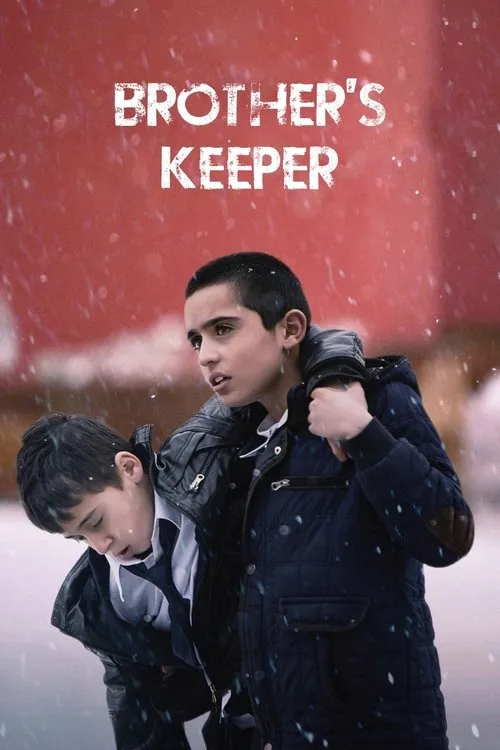
- Brother’s Keeper, a tense drama set among Kurdish boys in a boarding school, sharp on institutional indifference.
- Distant, Nuri Bilge Ceylan’s study of detached men in Istanbul, for another cool, patient observation of the city.
The verdict
Majority is a clear-eyed, quietly unsettling debut about the prejudice and passivity handed down from one generation to the next. Its slow pace and withdrawn hero keep it from being gripping, but its insight into family power and middle-class complacency makes it a rewarding film for patient viewers.
Rating: 3.5/5
If you liked Majority
Ranked by genre overlap and Celluloid Score. More movies like Majority →
 FeaturedAntalya 2002
Distant
Drama · 1h 46m
 FeaturedAntalya 2021
Brother's Keeper
Drama · 1h 25m
 Antalya 2008
Three Monkeys
Drama, Thriller · 1h 49m
 FeaturedAntalya 2007
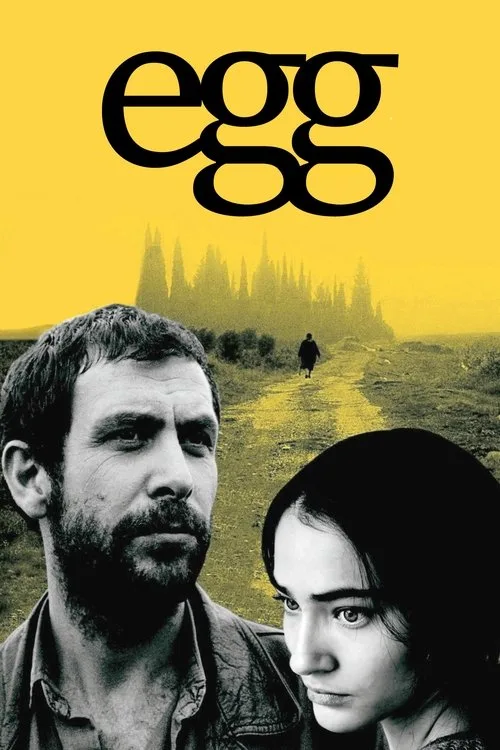
Egg
Drama · 1h 37m
Where can I watch Majority?
Regional notes: TV+, HBO Max in Turkey.