Line of Duty (2012) Review: Suspense in the Interview Room
Line of Duty is Jed Mercurio's BBC police-corruption drama, a series that turns long interrogation scenes into the most gripping set pieces on British TV.
★★★★½ 4.5/5
Yes. It is one of the best British crime dramas of its era, ideal for viewers who like dense plotting and patient suspense, and who will forgive a mythology that grows tangled.
Is Line of Duty worth watching?
Yes. Line of Duty is one of the most addictive police dramas British television has produced, a show that makes paperwork, procedure and a table in an interview room feel as dangerous as a firefight. Jed Mercurio’s great idea was to aim the crime genre inward, at the officers themselves, and to let each series build towards a marathon interrogation that plays like a duel. The reservation is that the long-running conspiracy tying the seasons together becomes more convoluted and less satisfying than the individual cases.
What is Line of Duty about?
Line of Duty follows AC-12, a small and widely resented anti-corruption unit inside a fictional British police force. Detective Sergeant Steve Arnott (Martin Compston) joins the unit after refusing to go along with a cover-up, and he is soon working alongside Detective Constable Kate Fleming (Vicky McClure), a skilled undercover officer, under Superintendent Ted Hastings (Adrian Dunbar), a Northern Irish boss with an old-fashioned moral code and a line in memorable exclamations.
Each series builds around a different officer under suspicion, usually a respected figure whose record looks spotless from outside. Guest leads anchor those cases, from Lennie James in the first series to Keeley Hawes, Thandiwe Newton, Stephen Graham and Kelly Macdonald later on. Running beneath them is a longer investigation into how far organised crime has reached into the force.
Created and written by Mercurio for the BBC, the series is in English and made in the United Kingdom. This review covers the six series broadcast between 2012 and 2021, 36 episodes in all. The show is still listed as ongoing, so AC-12’s story may not be over.
The interrogation as the main event
Most crime dramas treat interviews as connective tissue between action scenes. Line of Duty flips the order. Its signature sequences are formal interviews under caution, with lawyers, recorded tapes and procedural language, and some of them stretch past twenty minutes. They work because Mercurio gives both sides real ammunition: the suspect is often cleverer than the detectives, the evidence is partial, and one wrong question can let a guilty officer walk.
The writing is dense with acronyms and regulations, which can be bewildering in the first episodes. It pays off, because the rules become the stakes. When a case turns on a disclosure form or a chain of evidence, the show has trained its audience to understand exactly why that matters.
A trio that holds the show together
Compston, McClure and Dunbar give the series its continuity and much of its warmth. Compston plays Arnott as dogged and prickly, a detective whose integrity makes him hard to like. McClure’s Fleming is the quiet star: her undercover work puts her in more danger than anyone, and she conveys divided loyalties with very little dialogue. Dunbar turns Hastings into a genuine television icon, gruff and principled, and his exasperated catchphrases have long since passed into British pop culture.
The rotating guest stars keep the formula fresh. Hawes, in particular, gives one of the defining performances in the show’s run, making a suspect both sympathetic and slippery, and the best series are the ones whose guest lead is complex enough to keep AC-12 and the audience guessing.
Where the conspiracy starts to sprawl
The weakness is the thread that is meant to be the show’s backbone. As the seasons pass, the hunt for corrupt officers at the top of the force piles up aliases, codenames and returning suspects, and the plotting strains credibility. Characters survive situations that would end most careers, coincidences multiply, and the later series ask viewers to remember a great deal. The most recent ending also divided its audience. The individual cases remain strong; the grand design is less secure.
Who should watch Line of Duty?
It suits viewers who enjoy procedural detail, twisty plotting and slow-building tension rather than chases and shootouts, though there are some very effective action sequences too. Start at the first episode; the series rewards close attention and punishes skipping. Expect violence, including shootings and threatening organised-crime scenes, strong language and themes of institutional abuse.
If AC-12 hooks you, these make natural follow-ups:
- Bodyguard, Mercurio’s own thriller, with the same gift for cliffhangers and institutional paranoia.
- Happy Valley, a grittier Northern police drama built on a towering central performance.
- Luther for a darker, more stylised take on the British detective.
The verdict
Line of Duty took a dry-sounding premise, police investigating police, and turned it into appointment television through razor-sharp interrogations, a superb central trio and a steady supply of great guest villains. The overarching conspiracy gets tangled and the recent finale divided fans, but at its best this is British crime drama at full strength.
Rating: 4.5/5
Availability is a catalogue snapshot and can change. Confirm with the provider in your region.
Where to watch Line of Duty
Streaming: Prime Video, fuboTV, Peacock, Acorn TV, Spectrum On Demand
By region: Prime Video, fuboTV, Peacock in the United States; Netflix, Disney+, Sky Cinema in the United Kingdom; Prime Video, U-NEXT in Japan
Full scores and availability on the series page.
More like Line of Duty
 BBC
Inside No. 9
Comedy, Mystery
 BBC
Happy Valley
Crime, Drama
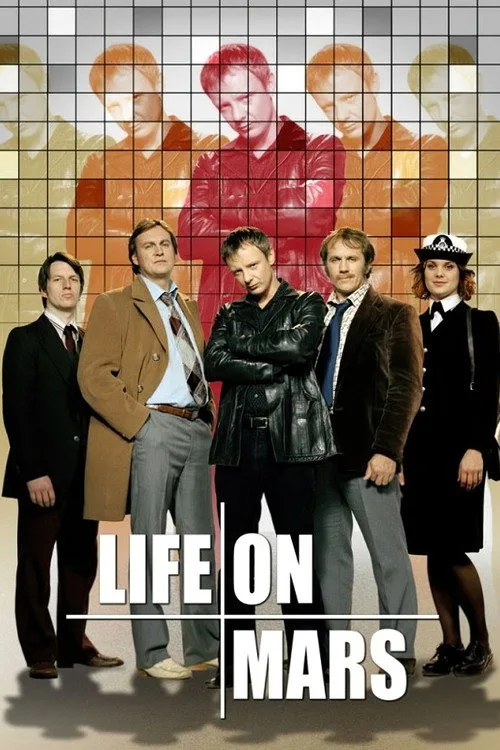 BBC
Life on Mars
Crime, Drama
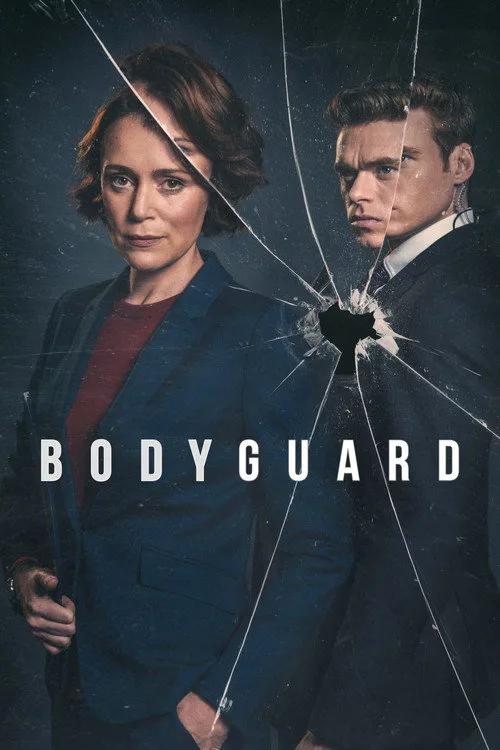 BBC
Bodyguard
Crime, Drama
Where can I watch Line of Duty?
Streaming: Prime Video, fuboTV, Peacock, Acorn TV, Spectrum On Demand. Regional notes: Prime Video, fuboTV, Peacock in the United States; Netflix, Disney+, Sky Cinema in the United Kingdom; Prime Video, U-NEXT in Japan.