It's a Wonderful Life (1946) Review: Darker Than Its Legend
It's a Wonderful Life is Frank Capra's 1946 Christmas classic, and beneath the holiday glow it is a surprisingly raw drama about disappointment, duty and despair.
★★★★½ 4.5/5
Yes. It remains one of the great American films, rewarding for first-timers and holiday rewatchers alike, provided you can accept open-hearted sentiment.
Is It’s a Wonderful Life worth watching?
Yes. It’s a Wonderful Life is one of the great American films, and it earns its happiness by first taking its hero somewhere genuinely dark. Frank Capra’s Christmas perennial is remembered as a warm-hearted fable, but its power comes from James Stewart’s portrait of a decent man slowly crushed by the life he did not choose. The main reservation is familiar: Capra’s sentiment is laid on thick, and its villain is closer to a storybook ogre than a person.
What is It’s a Wonderful Life about?
George Bailey (James Stewart) has spent his whole life giving to the people of Bedford Falls, a small American town where his family’s modest building and loan company is the only thing standing between ordinary families and the rich, grasping Mr. Potter (Lionel Barrymore). George dreamed of travel, college and building things; instead, one obligation after another has kept him at home.
On Christmas Eve, the business’s $8,000 goes missing, and George’s troubles come to a head. The film opens with prayers for him rising to heaven, where an angel who has yet to earn his wings, Clarence (Henry Travers), is assigned to help. Most of It’s a Wonderful Life is George’s story told in flashback, from boyhood through marriage to Mary (Donna Reed) and the long years of keeping the firm afloat.
Capra directs from a screenplay adapted from a short story, and the film is a black-and-white American production in English running 131 minutes.
Stewart’s anger is the film’s secret weapon
It is easy to forget how much rage there is in Stewart’s performance. This was his first film after returning from wartime service, and he brings a new edge to his familiar, gangly charm: George’s frustration with the town, with his own goodness, even with the people he loves, keeps bubbling up in flashes of bitterness. When the pressure finally breaks him, the collapse feels earned because Stewart has been hinting at it for an hour and a half.
That darkness is what separates the film from lesser holiday entertainment. Capra lets the audience feel how small George’s life has become, and the fantasy element, when it arrives, lands with weight precisely because the despair before it is so convincing.
Bedford Falls as a portrait of a community
Around Stewart, Capra builds a town full of distinct faces. Donna Reed gives Mary warmth and a quiet, practical steel; her romance with George, including a charged scene in which the two share a single telephone receiver, is one of the most sensual moments in a 1940s studio film. Thomas Mitchell’s absent-minded Uncle Billy, Beulah Bondi’s Ma Bailey and Ward Bond and Frank Faylen as the town’s cop and cabbie fill in a community that feels lived in.
The film’s politics are plain-spoken but still resonant. The building and loan represents the idea that ordinary people deserve homes of their own, while Potter stands for money that sees neighbours only as tenants. Capra argues this through character rather than speeches, and the argument still carries in an era of housing anxiety.
Where Capra’s heart outruns his head
The sentiment is the film’s strength and its limit. Barrymore is magnificently sour, but Potter is pure villainy, a man without a single redeeming thought, and his scenes can feel like panto next to the complexity of George. The middle stretch, covering years of George’s adult life, runs long. And some attitudes, particularly the film’s idea of what a woman’s life should look like, have dated.
Who should watch It’s a Wonderful Life?
It suits almost everyone, though it will mean most to viewers who have felt stuck, overlooked or weighed down by responsibility. It is a natural family choice at Christmas, but it works just as well in any season. At 131 minutes it asks for some patience. The film deals with financial ruin, despair and a suicidal crisis, handled without graphic content but with real emotional force, so younger children may find parts upsetting.
If it moves you, two worthwhile companions:
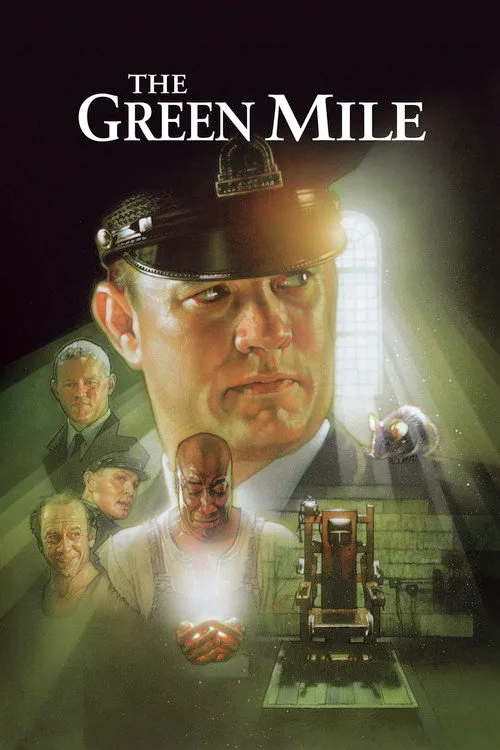
- The Green Mile, another long, unashamedly emotional drama in which a touch of the supernatural reframes ordinary lives.
- The Tree of Life, a far more experimental meditation on family, faith and what a single life is worth.
More in a similar key can be found among our fantasy films.
The verdict
It’s a Wonderful Life deserves its place among the most loved films ever made, not because it is cosy but because it understands despair well enough to make its comfort feel hard-won. Capra’s sentimentality and a cartoonish villain are real flaws, yet Stewart’s towering performance and the film’s generous vision of community make it essential viewing.
Rating: 4.5/5
Availability is a catalogue snapshot and can change. Confirm with the provider in your region.
Where to watch It's a Wonderful Life
Streaming: Prime Video
Rent: Amazon Video, Apple TV, Google Play, YouTube, Fandango at Home
Buy: Amazon Video, Apple TV, Google Play, YouTube, Fandango at Home
By region: Prime Video in the United States; Prime Video, U-NEXT in Japan
Full scores and availability on the movie page.
If you liked It's a Wonderful Life
Ranked by genre overlap and Celluloid Score. More movies like It's a Wonderful Life →

The Odyssey
Action, Adventure · 2h 53m
 Cannes 2006
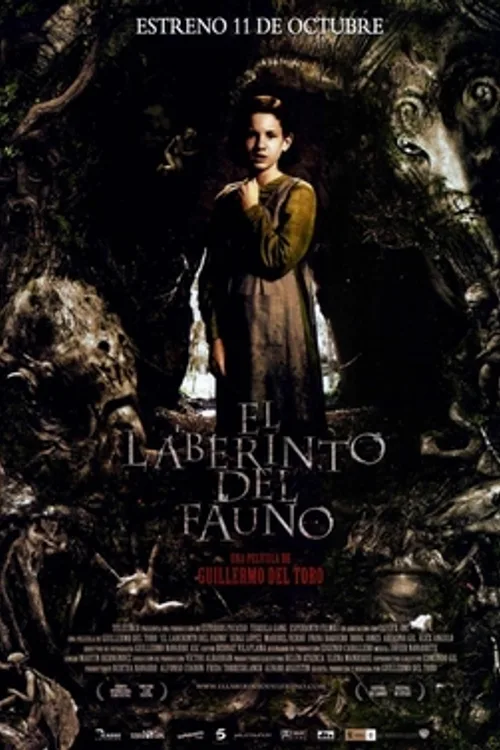
Pan's Labyrinth
Fantasy, Drama · 1h 58m
 Morelia 2010
Macario
Drama, Fantasy · 1h 31m
 Featured
The Green Mile
Fantasy, Drama · 3h 9m
Where can I watch It's a Wonderful Life?
Streaming: Prime Video. Rent: Amazon Video, Apple TV, Google Play, YouTube, Fandango at Home. Buy: Amazon Video, Apple TV, Google Play, YouTube, Fandango at Home. Regional notes: Prime Video in the United States; Prime Video, U-NEXT in Japan.