Howl's Moving Castle (2004) Review: Enchantment Over Logic
Howl's Moving Castle is Hayao Miyazaki's ravishing anti-war fantasy about a cursed young hatter and a vain wizard, gorgeous even when its plot comes loose.
★★★★☆ 4/5
Yes. Its images, music and heroine are enchanting, even if the story unravels late. Ideal for Ghibli fans, families with older kids and fantasy lovers.
Is Howl’s Moving Castle worth watching?
Yes. Howl’s Moving Castle is among the most visually enchanting films Studio Ghibli ever made, a romantic fantasy with one of Miyazaki’s most appealing heroines at its heart. The walking castle, the fire demon Calcifer and Joe Hisaishi’s waltzing score are pure delight, and the film’s hatred of war gives it real weight. The reservation is structural: the final act grows crowded and hurried, and viewers who want tidy logic from their fairy tales may leave a little puzzled.
What is Howl’s Moving Castle about?
Howl’s Moving Castle begins with Sophie, a shy young milliner who works in the hat shop her late father left behind and believes herself too plain for adventure. After a brief encounter with the charming, mysterious wizard Howl, she is visited by the jealous Witch of the Waste, who curses her into the body of an old woman. Unable to explain herself at home, Sophie sets out into the hills and finds her way into Howl’s ramshackle castle, a clanking, smoking contraption that walks on mechanical legs.
There she strikes a bargain with Calcifer, the fire demon who powers the castle, befriends Howl’s young apprentice Markl and appoints herself the household’s cleaning lady. Meanwhile, the kingdom is sliding into war, and Howl is doing everything he can to avoid being drafted into it. Hayao Miyazaki directs this Japanese production, adapted from Diana Wynne Jones’s novel, in Japanese; it runs 119 minutes and premiered at the Venice Film Festival in 2004.
Miyazaki’s most extravagant designs
Few animated films are as pleasurable simply to look at. The castle is a masterpiece of whimsical engineering, a heap of turrets, chimneys and pipes that lumbers across the landscape like an animal, and every return to it is a small thrill. Inside, a colour-coded door opens onto different places, a device that lets the film leap between a busy port town, a royal capital and a flower-strewn valley that looks like a painting.
The European setting, part Alpine village and part fin-de-siècle city, is rendered with Ghibli’s usual devotion to detail: steam, rain, bakery windows, bustling streets. The war scenes, with airships and bombing raids glimpsed at night, are genuinely frightening and give the fantasy a moral seriousness. Miyazaki’s opposition to militarism runs through every frame.
Sophie carries the heart of it
The film’s real magic is Sophie. Chieko Baisho voices her in the Japanese version, and the curse turns out to liberate her: as an old woman, she becomes blunt, brave and funny, freed from the worry of being looked at. Miyazaki lets her age shift subtly with her confidence, an idea that is both witty and quietly profound about how people see themselves.
Takuya Kimura gives Howl a lazy, preening charm that suits a wizard who is as vain as he is powerful, while Akihiro Miwa relishes the Witch of the Waste. Ryunosuke Kamiki is endearing as Markl, and Tatsuya Gashuin’s crotchety Calcifer steals most of his scenes. The English dub, with Christian Bale and Billy Crystal, is also strong.
Where the fairy tale loses its thread
The most common complaint about the film is justified. Once the war takes centre stage in the second half, the story starts to feel compressed: characters change allegiance with little explanation, rules of magic are introduced and dropped, and several threads are wrapped up faster than they were set up. Much of this comes from condensing a dense novel, and the film asks you to follow emotion rather than cause and effect. For most viewers, the beauty is enough; for some, the ending will feel like a rush.
Who should watch Howl’s Moving Castle?
It is a natural choice for Ghibli fans, lovers of romantic fantasy and families with children around eight and up. Younger viewers may find the war imagery, the Witch and some of Howl’s darker transformations frightening. At just under two hours, it is a comfortable single sitting, and the Japanese and English versions both work well.
If it casts its spell, these are the obvious next stops:
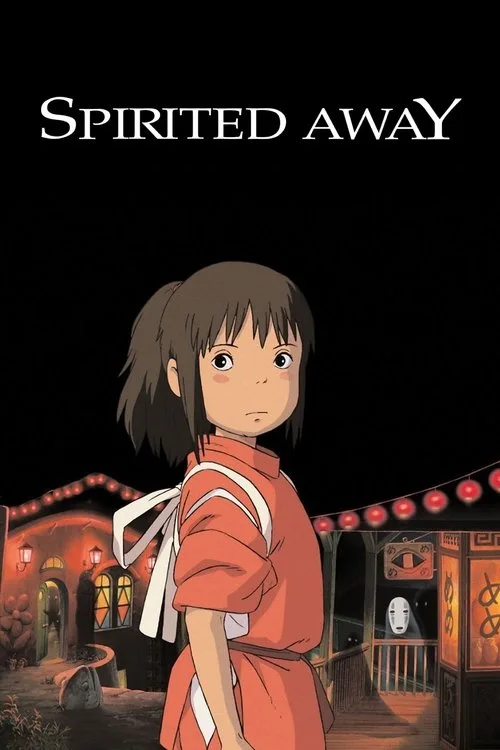
- Spirited Away, Miyazaki’s masterpiece, with a similarly strange bathhouse world and a heroine who grows through hard work.
- Princess Mononoke, which shares the anti-war conviction but in a darker, more epic register.
- The Boy and the Heron, Miyazaki’s later, more elusive fantasy, also set against the shadow of war.
The verdict
Howl’s Moving Castle is lush, generous and romantic, a film that trusts images and feeling over plot mechanics. Its late-stage muddle stops it joining Miyazaki’s very best, but Sophie, Calcifer and that magnificent walking castle make it a fantasy worth returning to again and again.
Rating: 4/5
Availability is a catalogue snapshot and can change. Confirm with the provider in your region.
Where to watch Howl's Moving Castle
Streaming: HBO Max
Rent: Amazon Video, Apple TV, Google Play, YouTube, Fandango at Home
Buy: Amazon Video, Apple TV, Google Play, YouTube, Fandango at Home
By region: HBO Max in the United States; Netflix in the United Kingdom; Netflix in Indonesia; Netflix in India
Full scores and availability on the movie page.
If you liked Howl's Moving Castle
Ranked by genre overlap and Celluloid Score. More movies like Howl's Moving Castle →
 Berlinale 2002
Spirited Away
Animation, Fantasy · 2h 5m
 Annecy 1998
Princess Mononoke
Animation, Fantasy · 2h 14m
 FeaturedAnnecy 1989
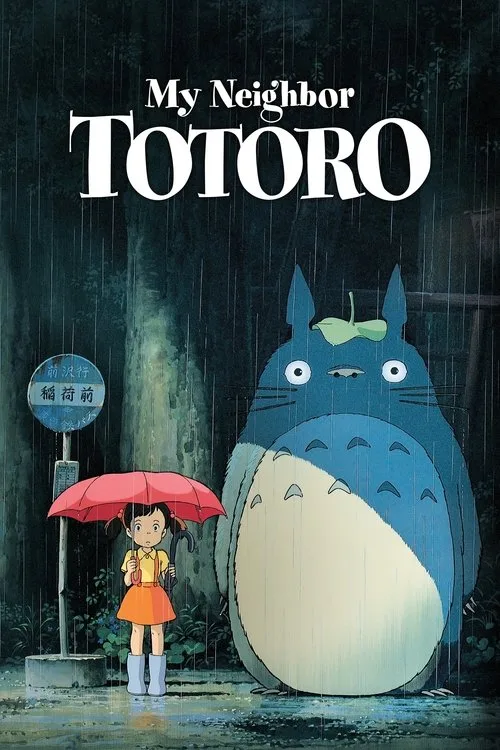
My Neighbor Totoro
Fantasy, Animation · 1h 26m
 TIFF 2023
The Boy and the Heron
Animation, Fantasy · 2h 4m
Where can I watch Howl's Moving Castle?
Streaming: HBO Max. Rent: Amazon Video, Apple TV, Google Play, YouTube, Fandango at Home. Buy: Amazon Video, Apple TV, Google Play, YouTube, Fandango at Home. Regional notes: HBO Max in the United States; Netflix in the United Kingdom; Netflix in Indonesia; Netflix in India.