Gangs of Wasseypur (2012) Review: A Coal-Belt Crime Saga
Gangs of Wasseypur is Anurag Kashyap's sprawling Dhanbad gangster epic, a funny, brutal and song-soaked blood feud that remains Hindi cinema's great modern crime saga.
★★★★★ 5/5
Yes. It is essential crime cinema, not just essential Hindi cinema, for anyone ready for a long, violent and wildly entertaining saga that continues in Part 2.
Is Gangs of Wasseypur worth watching?
Yes. Gangs of Wasseypur is the great Indian gangster epic of its generation, a film that turns decades of vendetta in the coal belt into something funny, savage, musical and mythic all at once. Anurag Kashyap captures a whole society rather than just a crime story, and Manoj Bajpayee leads a sprawling cast with swaggering authority. The only caveats are its demands: this is the first half of a two-part saga, it is dense with characters, and its violence is relentless.
What is Gangs of Wasseypur about?
Gangs of Wasseypur is set in and around Dhanbad, the coal-mining region of eastern India, and stretches across several decades of the twentieth century. It traces a blood feud between rival families and the ruthless political operator Ramadhir Singh (Tigmanshu Dhulia), whose fortune is built on the coal trade and the violence that protects it.
At its centre is Sardar Khan (Manoj Bajpayee), a volatile, charismatic man who has sworn to avenge his father and who builds his own criminal power in pursuit of that goal. Around him orbit his formidable wife Nagma (Richa Chadha), a web of allies and enemies, and eventually the next generation, including his son Faizal (Nawazuddin Siddiqui). The feud between the Khan and Qureshi clans, and the larger war with Ramadhir, reshapes the town’s power, crime and legends.
Anurag Kashyap directs this Hindi-language crime drama from India. Part 1 runs 160 minutes and premiered at the Cannes Directors’ Fortnight in 2012 before its Indian release; the story concludes in Gangs of Wasseypur – Part 2. The saga won the Filmfare Critics Award for Best Film.
Kashyap films a vendetta as social history
What separates Wasseypur from slicker gangster films is its texture. Kashyap is less interested in cool criminals than in how power works in a particular place: the mines, the unions, the local politics and the petty rivalries that harden into generational hatred. Violence here is not choreographed spectacle but a messy, often absurd part of everyday life, and the film is regularly as funny as it is shocking.
The storytelling is gleefully sprawling. A narrator guides the audience through decades of shifting alliances, and Kashyap moves between eras with the confidence of a novelist, dropping in newsreel-style history, local gossip and bursts of black comedy. The dusty, sun-bleached look of the mining towns makes the world feel lived-in rather than designed.
Sneha Khanwalkar’s soundtrack is just as distinctive. Drawing on folk traditions from the region, the songs work as commentary and chorus, carrying the story across time and turning brutal events into local ballads, and they became hits in their own right.
Manoj Bajpayee and a crowd of unforgettable faces
Bajpayee’s Sardar Khan is one of the great performances in modern Hindi cinema. He is brutal, vain, lustful and oddly lovable, a man driven by a single purpose who is nonetheless distracted by every temptation. Bajpayee plays him with a coiled physical menace and an earthy sense of humour, making him far more than a stock gangster.
Richa Chadha is fierce and very funny as Nagma, more than a match for her husband, and Tigmanshu Dhulia, better known as a director, is chillingly calm as Ramadhir Singh. Nawazuddin Siddiqui, whose role grows as the story moves forward, shows the intensity that made the saga his breakthrough. The supporting cast is so large and so vivid that Wasseypur feels populated rather than cast.
Where the sprawl asks for patience
The film’s density is also its main hurdle. There are a great many characters, families and alliances to track, and newcomers may need a little time to find their footing in the first hour. The narration occasionally does heavy lifting, and because this is only half the story, it does not resolve in a conventional sense. Some viewers will also find the relentless violence and the characters’ casual misogyny hard going, even when the film is clearly observing rather than endorsing it.
Who should watch Gangs of Wasseypur?
Crime-saga devotees, admirers of Indian independent cinema and anyone who loved sprawling gangster epics from other traditions should all make time for it. Plan for Part 2 as well; together the two films make one very long story. The violence is frequent and graphic, the language is extremely strong and there is sexual content, so it is strictly for adults.
If Wasseypur leaves you wanting more:
- Mirzapur: The Movie, a newer take on hinterland crime in North India that owes a clear debt to this saga.
- Pushpa 2 – The Rule, for a mass-entertainment spin on a smuggler’s rise to power.
- Animal, a far more polarising family saga built on inherited violence.
The verdict
Gangs of Wasseypur is a landmark: ambitious, anarchic and packed with life, a gangster epic that feels rooted in a real place and its history. It demands patience and a strong stomach, but few Indian films of its decade match its energy, humour or sense of scale.
Rating: 5/5
If you liked Gangs of Wasseypur
Ranked by genre overlap and Celluloid Score. More movies like Gangs of Wasseypur →
 Cannes 1994
Pulp Fiction
Crime, Drama · 2h 34m
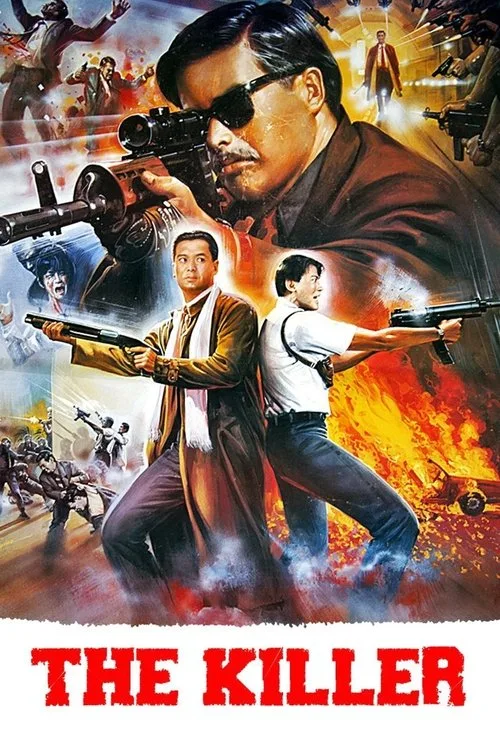 HKIFF 1989
The Killer
Action, Crime · 1h 50m
 Golden Horse 2003
Infernal Affairs
Drama, Action · 1h 41m
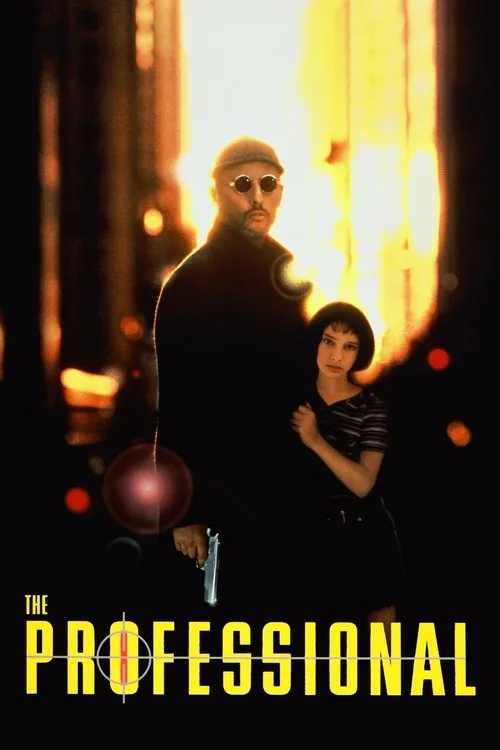
Léon: The Professional
Crime, Drama · 1h 51m
Where can I watch Gangs of Wasseypur?
Regional notes: Vi Movies & TV in India.