City Lights (1931) Review: Chaplin's Tenderest Comedy
City Lights is Charlie Chaplin's silent romantic comedy about the Tramp's devotion to a blind flower seller, and it is still as funny as it is heartbreaking.
★★★★½ 4.5/5
Yes. It is Chaplin at his peak and one of the best entry points to silent film, ideal for newcomers to classic cinema and anyone who loves romantic comedy.
Is City Lights worth watching?
Yes. City Lights is one of the great comedies and one of the great love stories, a silent film that remains funny, graceful and deeply moving more than 90 years later. Charlie Chaplin blends slapstick and sentiment with a precision that few filmmakers have matched, and his Tramp has never been more touching. The only real barrier is format: viewers who have never watched a silent film may need a few minutes to adjust, and some stretches rely on melodrama that feels of its time.
What is City Lights about?
City Lights follows Chaplin’s Little Tramp through an unnamed big city. He meets a young flower seller (Virginia Cherrill) on a street corner, discovers that she is blind, and falls instantly in love. Through a small misunderstanding, she comes to believe he is a wealthy gentleman, and he cannot bring himself to correct her.
At the same time, the Tramp stumbles into an unlikely friendship with an eccentric millionaire (Harry Myers), whose affection for him depends heavily on how much he has had to drink. Their on-and-off relationship gives the Tramp moments of access to money and luxury, which he tries to use to help the flower girl, and the rest of the film follows his increasingly desperate efforts on her behalf.
Chaplin wrote, directed, produced and starred in the film, and composed its musical score. It is an American production, silent with English intertitles and a synchronised soundtrack of music and effects, and it runs 87 minutes. It was released in early 1931, several years into the sound era.
A silent film made in defiance of sound
By 1931, Hollywood had largely abandoned silent film, and City Lights is Chaplin’s argument that pantomime could still do things talking pictures could not. The opening sequence even pokes fun at the new technology, as officials give speeches in garbled squawks. Throughout, the film proves his point: the comedy is built entirely from movement, timing and expression, and its jokes are as clear to an audience today as they were then.
His score is an important part of the effect. The music does the emotional work that dialogue might have done elsewhere, and its themes, especially around the flower girl, give the film a lyrical flow.
Comedy set pieces that still bring the house down
The set pieces are among the best in Chaplin’s career. A boxing match in which the Tramp dances around his opponent and the referee is a masterpiece of choreographed chaos, and the scenes with the millionaire, full of near-disasters at nightclubs and parties, are masterclasses in escalating physical comedy. Harry Myers plays the millionaire’s mood swings with perfect conviction, which makes the running gag both funny and faintly melancholy.
What makes it more than a string of routines is the romance. Virginia Cherrill plays the flower girl with a simple sincerity that keeps her from being merely a plot device, and Chaplin’s Tramp, shy, hopeful and absurdly chivalrous, is at his most vulnerable. The contrast between his clowning and his quiet longing gives the film its emotional power.
Where the sentiment shows its age
The film’s melodramatic elements are its most dated feature. Some of the scenes between the Tramp and the flower girl lean heavily on pathos, and the narrative relies on coincidences and misunderstandings that modern audiences may find contrived. The millionaire plot, though brilliantly funny, also repeats its basic joke several times. None of this diminishes the film’s achievement, but viewers expecting subtlety should know this is emotion painted in bold strokes.
Who should watch City Lights?
It is ideal for anyone curious about silent cinema, since it is one of the most accessible and rewarding films of the era, and for fans of romantic comedy who want to see where many of its conventions were perfected. At 87 minutes it is short, and it plays wonderfully for families with children. There is nothing unsuitable beyond some slapstick violence and drunken antics.
Next on the list:
- Modern Times, Chaplin’s next film, which sends the Tramp into the machinery of industrial life.
- The Great Dictator, in which Chaplin finally speaks on screen, turning his comedy against fascism.
- The Apartment, a later Hollywood classic that mixes comedy and heartbreak around a hopeful romantic outsider.
The verdict
City Lights is Chaplin’s most perfectly balanced film, a comedy of dazzling invention and a love story of real tenderness. A few dated melodramatic touches aside, it remains one of the essential films of the 20th century.
Rating: 4.5/5
Availability is a catalogue snapshot and can change. Confirm with the provider in your region.
Where to watch City Lights
Streaming: Prime Video, HBO Max
Rent: Amazon Video, Apple TV, Google Play, YouTube, Fandango at Home
Buy: Amazon Video, Apple TV, Google Play, YouTube, Fandango at Home
By region: Prime Video, HBO Max in the United States; Prime Video in the United Kingdom; KlikFilm in Indonesia; Lionsgate Play in India
Full scores and availability on the movie page.
If you liked City Lights
Ranked by genre overlap and Celluloid Score. More movies like City Lights →
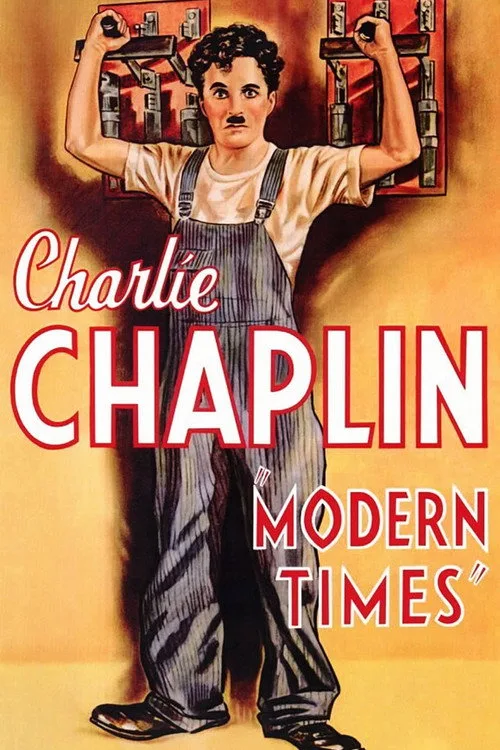
Modern Times
Comedy, Drama · 1h 27m
 FeaturedSundance 2025
Come See Me in the Good Light
Comedy, Drama · 1h 44m
 Venice 2016
La La Land
Comedy, Drama · 2h 9m
 Cannes 2021
The Worst Person in the World
Drama, Romance · 2h 8m
Where can I watch City Lights?
Streaming: Prime Video, HBO Max. Rent: Amazon Video, Apple TV, Google Play, YouTube, Fandango at Home. Buy: Amazon Video, Apple TV, Google Play, YouTube, Fandango at Home. Regional notes: Prime Video, HBO Max in the United States; Prime Video in the United Kingdom; KlikFilm in Indonesia; Lionsgate Play in India.