Casablanca (1943) Review: Wartime Romance, Still Unbeaten
Casablanca is Michael Curtiz's Second World War romance about a cynical club owner and the lover who walks back into his life, and it still plays beautifully.
★★★★½ 4.5/5
Yes. It remains one of the most entertaining and quotable Hollywood films ever made, ideal for first-timers to classic cinema as well as anyone overdue a rewatch.
Is Casablanca worth watching?
Yes. Casablanca is that rare classic that lives up to its reputation, a romance, a thriller and a wartime drama packed into 102 minutes without a wasted scene. Humphrey Bogart and Ingrid Bergman give it heartbreak, a superb supporting cast gives it wit, and Michael Curtiz keeps it moving with studio-era precision. The main reservation is that some of its attitudes, particularly towards the Moroccan city it is named after, belong firmly to 1942.
What is Casablanca about?
Casablanca is set in December 1941 in the Moroccan city, then under the control of Vichy France and crowded with refugees trying to buy, beg or steal their way to Lisbon and then America. Rick Blaine (Humphrey Bogart), an American expatriate, runs the most popular nightclub in town and has made a point of sticking his neck out for nobody.
That neutrality is tested when Ilsa Lund (Ingrid Bergman), the woman who once broke his heart, walks into his club with her husband, Victor Laszlo (Paul Henreid), a resistance leader the Germans badly want to stop. Around them circle Claude Rains as the charmingly corrupt police captain Louis Renault, Conrad Veidt as a German officer, and Sydney Greenstreet and Peter Lorre as two of the city’s shadier operators, while Dooley Wilson plays Sam, the pianist whose song Rick cannot bear to hear.
Curtiz directed this Warner Bros. production in English. It runs 102 minutes, premiered in New York late in 1942 and went on general release in January 1943. It won the Academy Awards for Best Picture, Best Director and Best Screenplay.
A screenplay that never stops working
What keeps Casablanca fresh is its writing. The dialogue is famously quotable, but the lines land because they are rooted in character: Rick’s cynicism is a wound, Renault’s jokes are a survival strategy, and nearly every minor figure, from a young Bulgarian couple to a pickpocket working the room, is sketched in a few exact strokes. The plot, built around a pair of precious travel documents, is tight enough to work as a thriller even for viewers who know how famous the film is.
The club itself is the great set. It is a crossroads where Nazis, refugees, black marketeers and gamblers share the same room, and Curtiz uses it to build scenes of real political charge. A musical confrontation between German officers and the club’s patrons remains one of the most rousing sequences in Hollywood history.
Bogart and Bergman, at the peak of their powers
Bogart plays Rick as a man pretending not to care, and the performance is all in the moments when the pretence slips: a drink poured too fast, a line delivered a beat too late. Bergman is luminous, but she also gives Ilsa real conflict, a woman caught between loyalty and feeling, and the camera adores her without making her merely decorative.
Rains very nearly steals the film. His Renault is corrupt, witty and oddly likeable, and his scenes with Bogart have a sparring rhythm that gives the film its humour. Max Steiner’s score, weaving “As Time Goes By” through the drama, does the rest.
Where the film shows its age
For all its polish, Casablanca is a product of its moment. Morocco and its people are little more than exotic background, and Sam, though beloved, is written as Rick’s loyal employee with no life of his own. The film’s wartime messaging is also unmistakable, since it was made while the United States was newly at war. None of this spoils the experience, but modern viewers will notice it.
Who should watch Casablanca?
It is ideal for anyone curious about classic Hollywood, since it is one of the most accessible films of its era: fast, funny, romantic and suspenseful. It is equally rewarding on a rewatch, when the smaller performances come into focus. There is very little violence and nothing unsuitable for older children, though its themes of war and sacrifice will mean most to adults.
Good companions for a classic-film night:
- The Apartment, another Hollywood classic that balances cynicism, wit and a bruised romantic heart.
- City Lights, for an earlier, silent-era love story that ends up just as moving.
- Past Lives, a modern romance about old lovers meeting again and weighing the lives they chose.
The verdict
Casablanca remains one of the great Hollywood entertainments, a film whose craft, performances and dialogue still feel alive more than 80 years on. Its dated attitudes keep it from being flawless, but few films of any era are this satisfying.
Rating: 4.5/5
Availability is a catalogue snapshot and can change. Confirm with the provider in your region.
Where to watch Casablanca
Streaming: HBO Max
Rent: Amazon Video, Apple TV, Google Play, YouTube, Fandango at Home, Spectrum On Demand
Buy: Amazon Video, Apple TV, Google Play, YouTube, Fandango at Home
By region: HBO Max in the United States; HBO Max in the United Kingdom; U-NEXT in Japan
Full scores and availability on the movie page.
If you liked Casablanca
Ranked by genre overlap and Celluloid Score. More movies like Casablanca →
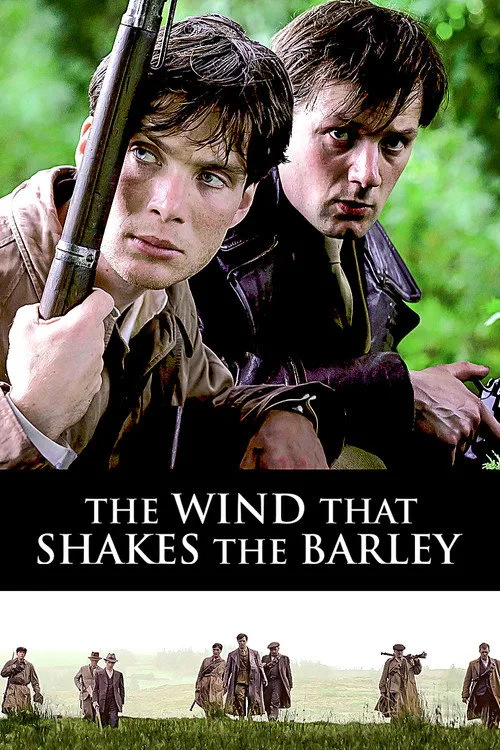 Cannes 2006
The Wind That Shakes the Barley
Drama, War · 2h 7m
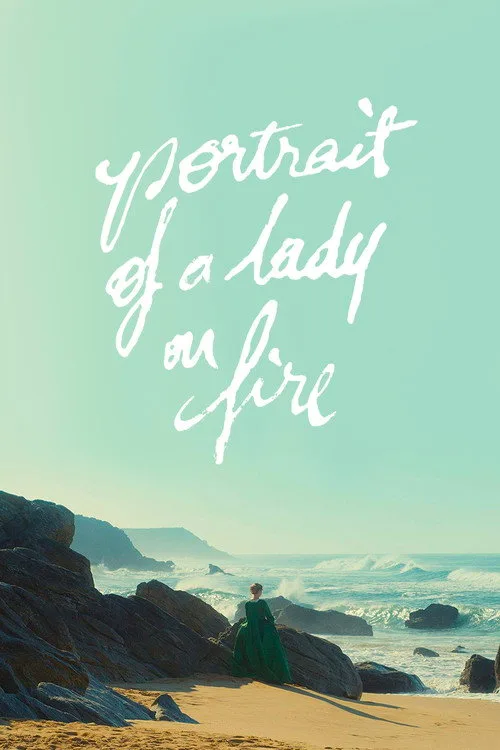 Cannes 2019
Portrait of a Lady on Fire
Romance, Drama · 2h 2m
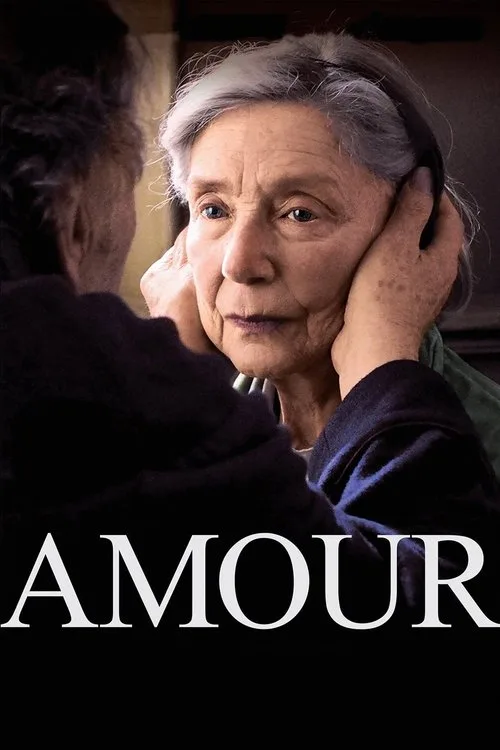 Cannes 2012
Amour
Drama, Romance · 2h 7m
 Cannes 2000
In the Mood for Love
Romance, Drama · 1h 38m
Where can I watch Casablanca?
Streaming: HBO Max. Rent: Amazon Video, Apple TV, Google Play, YouTube, Fandango at Home, Spectrum On Demand. Buy: Amazon Video, Apple TV, Google Play, YouTube, Fandango at Home. Regional notes: HBO Max in the United States; HBO Max in the United Kingdom; U-NEXT in Japan.