Boys Over Flowers (2009) Review: Melodrama at Full Volume
Boys Over Flowers is the 2009 Korean campus romance that made Lee Min-ho a star, loud and gloriously melodramatic, though its bullying-to-love story has aged badly.
★★★★☆ 4/5
Yes, with reservations. It is essential K-drama history and addictive fun for romance fans, but its treatment of bullying and its sheer length will test modern viewers.
Is Boys Over Flowers worth watching?
Yes. Boys Over Flowers is one of the most influential K-dramas ever made, a loud, lavish and shamelessly melodramatic campus romance whose star power still makes it compulsive viewing. Lee Min-ho’s breakout performance is the main reason it is still rewatched, and its template shaped a generation of Korean romances. The reservations are significant: the central romance grows out of bullying that looks far uglier today, and 25 episodes of escalating melodrama will exhaust viewers who are not fully invested.
What is Boys Over Flowers about?
Geum Jan-di (Ku Hye-sun) is the daughter of a family that runs a small laundry business. After an incident brings her to the attention of Shinhwa High, an elite school for the children of the super-rich, she is offered a swimming scholarship and finds herself among classmates who have never met anyone like her. The school is effectively ruled by F4, four heirs who do as they please: the arrogant ringleader Gu Jun-pyo (Lee Min-ho), the gentle, withdrawn Yoon Ji-hoo (Kim Hyun-joong), and their friends So Yi-jung (Kim Bum) and Song Woo-bin (Kim Joon). When Jan-di refuses to bow to Jun-pyo, his campaign of humiliation against her turns into something closer to fascination, and a romance begins that his formidable, dynasty-minded mother is determined to stop. Kim So-eun plays Jan-di’s loyal best friend.
Boys Over Flowers is written by Yoon Ji-ryun, adapted from the Japanese manga that also inspired earlier Taiwanese and Japanese versions. It is a South Korean series in Korean. This review covers the complete show: one season of 25 episodes, and the story has ended.
Star power that still shines
The series was a phenomenon in Korea and across Asia, and it is easy to see why. Lee Min-ho plays Jun-pyo with a mix of swagger, absurd vanity and wounded vulnerability that makes an often obnoxious character magnetic. Ku Hye-sun gives Jan-di an energetic, defiant spirit, and her refusal to be intimidated gives the early episodes their pleasure. Kim Hyun-joong’s Ji-hoo, the quiet second lead, is the kind of character that sparked endless fan debate.
The production is gloriously over the top: helicopters, yachts, lavish parties, exotic trips and fashion that screams late-2000s excess. Its heightened style is part of the appeal, turning the story into a fairy tale of wealth and resistance.
A template for a generation of K-dramas
Many conventions that later K-dramas would use, from the rich heir and the poor but proud heroine to the tender second lead and the scheming parent, appear here in their purest form. For anyone interested in how Korean television romance developed and spread internationally, Boys Over Flowers is essential viewing. The friendships within F4 also give the series some of its warmest moments, and the subplots involving Yi-jung and Jan-di’s best friend add a gentler counterpoint.
Where it has aged badly
The biggest problem is the foundation of the romance. Jun-pyo’s early behaviour, which includes orchestrating school-wide bullying against Jan-di, is extreme, and the show frames it as the start of a love story in a way that sits uneasily now. Several later developments rely on possessiveness and coercion presented as passion.
The show’s length is also a challenge. At 25 episodes, it leans heavily on repeated obstacles, misunderstandings and scheming relatives to keep the couple apart, and the melodrama becomes exhausting. Some production choices, from the music cues to the acting style, feel very much of their time.
Who should watch Boys Over Flowers?
It suits romance fans who enjoy big emotions and melodrama, viewers curious about K-drama history, and fans of Lee Min-ho who want to see where his stardom began. Availability varies by region, with Netflix and other services carrying it in many territories. It includes bullying, mild violence and emotionally manipulative relationships, so it is best for teenagers and older viewers who can watch it critically.
If you want more:
- Extraordinary You, a playful teen drama that riffs knowingly on the tropes Boys Over Flowers helped create.
- Weightlifting Fairy Kim Bok-joo, for a campus romance with a sporty heroine and a far healthier relationship at its centre.
The verdict
Boys Over Flowers is dated, overlong and sometimes troubling, but it remains an energetic, addictive piece of pop history powered by a star-making Lee Min-ho. Watch it for its influence and its excess, with a critical eye on the romance at its core.
Rating: 4/5
Availability is a catalogue snapshot and can change. Confirm with the provider in your region.
Where to watch Boys Over Flowers
Streaming: Netflix, Prime Video, Viki, WeTV
By region: Netflix, Prime Video, Viki in the United States; Netflix in the United Kingdom; Netflix, iflix, WeTV in Indonesia; Netflix, WeTV in India
Full scores and availability on the series page.
More like Boys Over Flowers
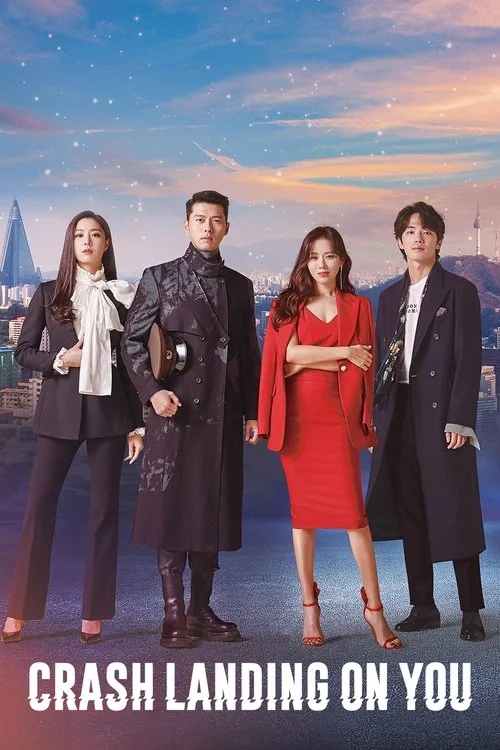 Netflix Editor's Pick
Crash Landing on You
Romance, Comedy
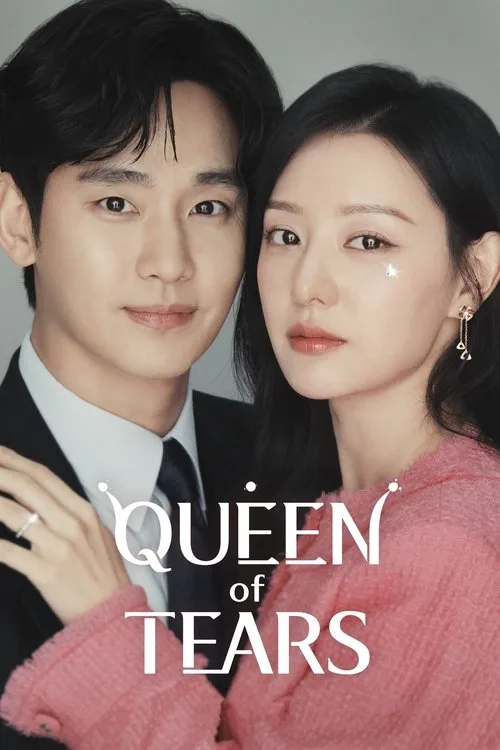 Netflix
Queen of Tears
Comedy, Drama
 Netflix
Hidden Love
Comedy, Drama
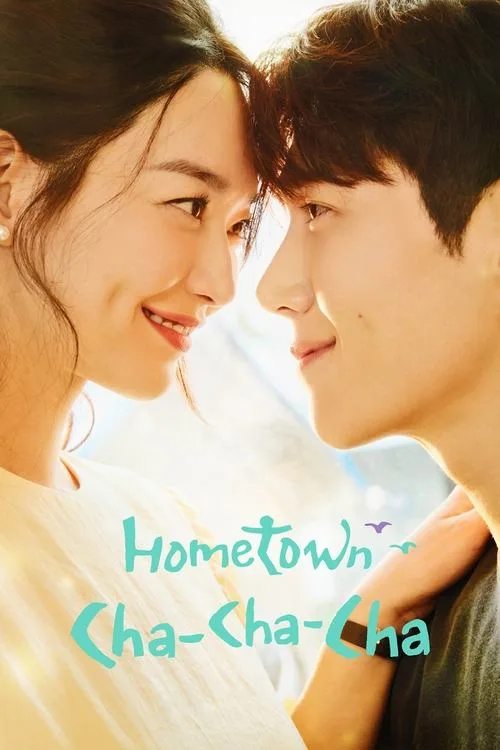 Netflix
Hometown Cha-Cha-Cha
Romance, Comedy
Where can I watch Boys Over Flowers?
Streaming: Netflix, Prime Video, Viki, WeTV. Regional notes: Netflix, Prime Video, Viki in the United States; Netflix in the United Kingdom; Netflix, iflix, WeTV in Indonesia; Netflix, WeTV in India.