28 Years Later: The Bone Temple Review: Mercy Among Monsters
28 Years Later: The Bone Temple is Nia DaCosta's bold sequel, a stranger, more mythic chapter of the rage-virus saga carried by a superb Ralph Fiennes.
Yes. It is the franchise's most ambitious and unsettling chapter, ideal for horror fans who want ideas with their dread, though sprint-and-scream viewers may find it slow.
Is 28 Years Later: The Bone Temple worth watching?
Yes. 28 Years Later: The Bone Temple is a daring, disturbing continuation of the rage-virus story, and it is the rare horror sequel more interested in deepening its world than simply repeating its scares. Nia DaCosta directs Alex Garland’s screenplay with confidence, balancing brutal cruelty against unexpected tenderness, and Ralph Fiennes gives one of the best performances of his late career. The reservation is that it is less of a thrill ride than earlier entries: the infected are only part of the threat, and viewers who want relentless chase sequences may find its slower, stranger rhythm frustrating.
What is 28 Years Later: The Bone Temple about?
The film follows directly from Danny Boyle’s 28 Years Later (2025) and is best seen after it. Nearly three decades after the outbreak, mainland Britain remains quarantined and largely abandoned to the infected. Dr Ian Kelson (Ralph Fiennes), an eccentric, solitary doctor who has spent years honouring the dead in his own extraordinary way, finds himself drawn into an unlikely relationship with consequences that could change the survivors’ world.
Meanwhile, Spike (Alfie Williams), the young boy at the heart of the previous film, is far from home and in dangerous company. He falls under the sway of Sir Jimmy Crystal (Jack O’Connell), the charismatic, unhinged leader of a gang of tracksuited zealots whose faith has curdled into something monstrous. Erin Kellyman plays one of his followers, Chi Lewis-Parry returns as the most fearsome of the infected, and Cillian Murphy is in the cast too, in a role best discovered on screen.
28 Years Later: The Bone Temple is a British film in English. It runs 109 minutes.
Fiennes finds grace in the ruins
Ralph Fiennes is the film’s moral and emotional centre. His Kelson is gentle, odd, funny and deeply sad, a man who has chosen compassion in a country that has abandoned it, and Fiennes plays him with a lightness that makes his scenes feel almost like a fable. The film’s most surprising moments are its quietest, as Kelson treats the infected not only as monsters but as people who were once something else.
That humane streak is what distinguishes the film from standard zombie horror. It asks what faith, ritual and mercy look like after the end of the world, and Kelson’s answers are strange, moving and occasionally beautiful.
O’Connell’s cult leader is pure menace
If Kelson represents one way of surviving, Jimmy Crystal represents the other. Jack O’Connell plays him as a preacher, a bully and a wounded child at once, delivering scripture-soaked monologues with a showman’s swagger. His gang, drilled into obedience and dressed in grotesque imitation of pop culture from before the outbreak, are more frightening than the infected because their cruelty is chosen.
DaCosta stages their scenes with an unsettling, ceremonial quality. Violence is framed as ritual, and the film’s imagery, bones, crosses, fire and landscape, gives it the feel of folk horror as much as survival thriller. Alfie Williams, caught between these forces, gives Spike a watchful vulnerability that keeps the audience’s fear grounded.
Where the dread thins out
Not every thread is equally strong. The film cuts between two storylines with very different tones, and at times the shift from Kelson’s reflective chapters to Jimmy’s brutality feels abrupt. The second half leans on confrontation more than suspense, and those expecting the pure, panicked momentum of 28 Days Later may feel the film’s intellectual ambition comes at the expense of fear. It is a richer film than a scarier one.
Who should watch 28 Years Later: The Bone Temple?
It is for fans of the franchise and horror with big ideas, especially viewers who enjoyed the more experimental turn of 28 Years Later. At under two hours, it is a manageable watch, but it is extremely violent, with sadistic cult cruelty, gore, torture and religious imagery that some will find upsetting. Adults only.
For more in the same vein:
- 28 Days Later, the raw, terrifying original that started the saga with Cillian Murphy.
- Shaun of the Dead, a comic British zombie film that also finds surprising warmth among the undead.
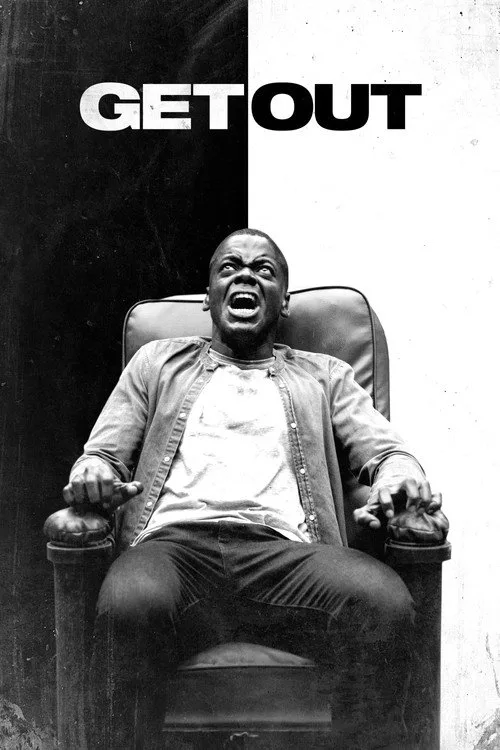
- Get Out, another horror film more interested in human evil than in its supernatural threat.
The verdict
28 Years Later: The Bone Temple is a strange, cruel and unexpectedly compassionate horror film that pushes the series into new territory. Its tonal swings and slower pace will test some viewers, but Ralph Fiennes and Jack O’Connell give it two unforgettable poles, and DaCosta makes the franchise feel vital again.
Availability is a catalogue snapshot and can change. Confirm with the provider in your region.
Where to watch 28 Years Later: The Bone Temple
Streaming: Netflix
Rent: Amazon Video, Apple TV, Google Play, YouTube, Fandango at Home
Buy: Amazon Video, Apple TV, Google Play, YouTube, Fandango at Home
By region: Netflix in the United States; Sky Cinema in the United Kingdom; Netflix, Catchplay in Indonesia; Netflix in India
Full scores and availability on the movie page.
If you liked 28 Years Later: The Bone Temple
Ranked by genre overlap and Celluloid Score.

Where can I watch 28 Years Later: The Bone Temple?
Streaming: Netflix. Rent: Amazon Video, Apple TV, Google Play, YouTube, Fandango at Home. Buy: Amazon Video, Apple TV, Google Play, YouTube, Fandango at Home. Regional notes: Netflix in the United States; Sky Cinema in the United Kingdom; Netflix, Catchplay in Indonesia; Netflix in India.