The Wild Robot Review: DreamWorks Delivers Pixar-Level Heart
★★★★½ 4.5/5
Essential family viewing — a modern animated masterpiece.
Where to watch The Wild Robot
Streaming: Prime Video
Rent: Amazon Video, Apple TV, Google Play, YouTube, Fandango at Home
Buy: Amazon Video, Apple TV, Google Play, YouTube, Fandango at Home
By region: Prime Video in the United States; Netflix in the United Kingdom; Netflix, Catchplay in Indonesia; Disney+ Hotstar, Vi Movies & TV in India
Full scores & availability on the movie page.
Is The Wild Robot good?
Yes — The Wild Robot is one of the best-reviewed animated films of 2024, with scores that back up the praise. Christopher Sanders’ adaptation holds a 98/100 Celluloid Editorial Rating and a matching 98% Audience Snapshot, alongside an 83 Metascore, a 4.2 rating on Letterboxd, and an 8.2 on IMDb. That kind of alignment across critic and audience data is rare, and it signals a film that lands with viewers of every age rather than just a niche of animation enthusiasts.
What is The Wild Robot about?
It follows a shipwrecked robot who learns to survive, and eventually to love, on an island she was never built for. Roz, voiced by Lupita Nyong’o, is a service unit stranded among wildlife that initially fears and rejects her mechanical presence. When she becomes the unlikely caretaker of an orphaned gosling, Brightbill, her programming for efficient task-completion gradually gives way to something closer to instinct and devotion. Pedro Pascal, Kit Connor, and Bill Nighy round out a voice cast built around that central relationship, as the island itself pushes Roz toward a definition of purpose she was never programmed to have.
Should you watch The Wild Robot?
Yes, without hesitation — this is a film built for shared viewing across generations. The near-perfect critic and Audience Snapshot aren’t an accident of hype; the movie balances a genuinely moving parent-child arc with visual craft substantial enough to hold adult attention on its own terms. At 115 minutes it never overstays its welcome, and the emotional payoff arrives earned rather than manufactured. Families looking for something beyond disposable streaming filler, and adult animation fans skeptical of another “message” movie, should both come away satisfied.
How does The Wild Robot compare to Pixar’s Finding Nemo?
Both films use a parent forced into an unfamiliar, hostile environment to explore what caretaking actually costs, and both let a colorful non-human world carry themes that would feel heavy-handed in a live-action drama. Where Finding Nemo frames its journey as a frantic search across the ocean, The Wild Robot is more interior and stationary — Roz doesn’t need to travel far to be transformed, only to stay long enough for the island to change her. The comparison also highlights a difference in animation philosophy: Sanders leans into painterly, textured backgrounds rather than the glossy realism Pixar is known for, giving the film a distinct visual identity even as it hits some familiar emotional beats.
If you liked The Wild Robot
Ranked by genre overlap and Celluloid Score — full “movies like The Wild Robot” page.
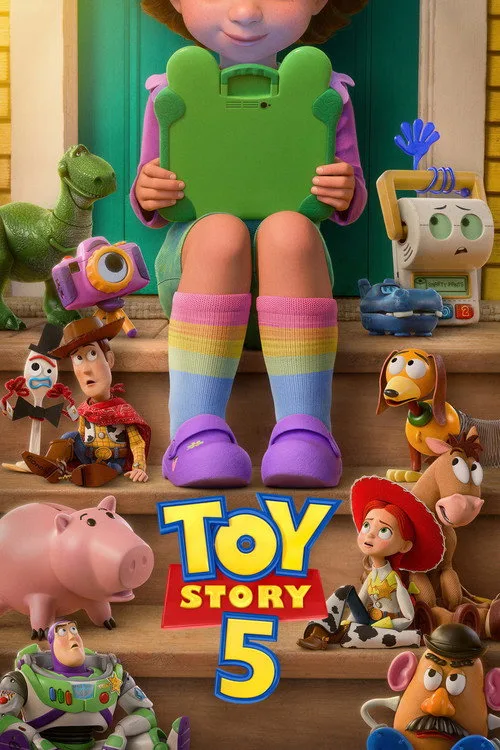 Featured
 Toy Story 5
Animation, Family · 1h 42m
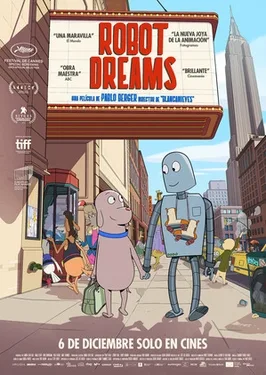 Cannes 2023
 Robot Dreams
Sci-Fi, Animation · 2h 55m
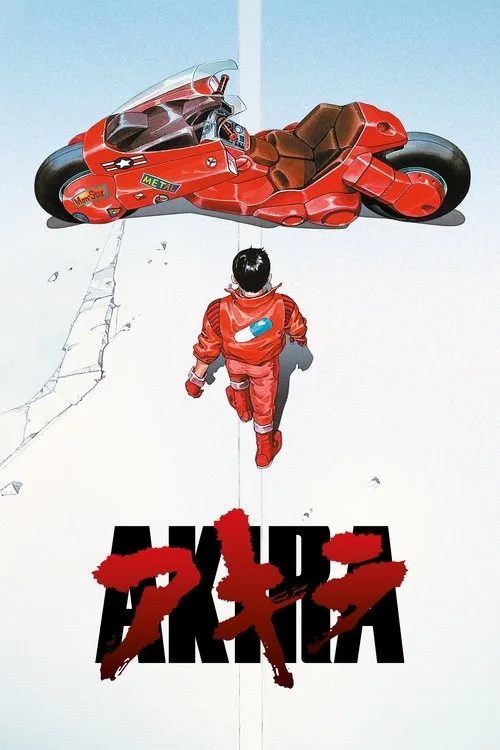 Annecy 1988
 Akira
Animation, Sci-Fi · 2h 4m
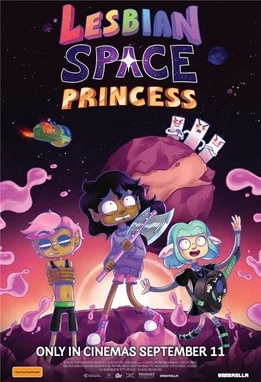 Berlinale 2025
 Lesbian Space Princess
Sci-Fi, Animation · 2h 40m
Streaming: Prime Video. Rent: Amazon Video, Apple TV, Google Play, YouTube, Fandango at Home. Buy: Amazon Video, Apple TV, Google Play, YouTube, Fandango at Home. Regional notes: Prime Video in the United States; Netflix in the United Kingdom; Netflix, Catchplay in Indonesia; Disney+ Hotstar, Vi Movies & TV in India.