Sound of Falling Review: A Century-Spanning German Masterwork
★★★★½ 4.5/5
A staggering generational achievement.
Where to watch Sound of Falling
Streaming: MUBI
Rent: Amazon Video, Apple TV, Fandango at Home
Buy: Amazon Video, Apple TV, Fandango at Home
By region: MUBI in the United States; MUBI in the United Kingdom; MUBI in India; MUBI in Turkey
Full scores & availability on the movie page.
Is Sound of Falling good?
Yes — it is one of the best-reviewed German films in recent memory, carrying a near-unanimous critical score and a Cannes Jury Prize to back it up. Mascha Schilinski’s second feature interlaces four different eras on the same Altmark farmhouse, and critics have responded to the sheer confidence of its construction: overlapping sound design, match cuts across decades, and a refusal to spell out which girl belongs to which timeline until the connections simply click into place. It rewards patience in a way few films released this year have attempted.
What is Sound of Falling about?
It follows four girls — living in the 1910s, 1940s, 1980s, and 2020s — who each come of age inside the same farmhouse, their private griefs and small cruelties rhyming across a hundred years. Alma, Erika, Angelika, and Lenka never meet, but Schilinski cuts between their stories so fluidly that the house itself starts to feel like the true protagonist, absorbing each generation’s trauma into its walls, its fields, its silences. The film is less interested in plot than in atmosphere and inheritance — what gets passed down through a family and a place even when nobody speaks it aloud.
Should you watch Sound of Falling?
If you’re drawn to slow, formally ambitious arthouse cinema, this belongs near the top of your list — but it is not a comfortable watch. The film sits with subjects like abuse, self-harm, and the quiet violence of rural domestic life without flinching, and its structure demands real attention; there’s no hand-holding across the timeline jumps. That’s precisely why critics have championed it so loudly, and also why audience reception has run cooler than the critical consensus — this is a film built for viewers willing to meet it on its own terms, not for a casual Friday-night watch. At 155 minutes, it also asks for genuine time and focus.
How does it compare to other generational dramas?
Sound of Falling sits closer to Terrence Malick’s fragmented, sensory approach to memory than to a conventional multi-generational saga, and it shares more DNA with recent German arthouse breakthroughs than with mainstream historical drama. Where a film like Nora Fingscheidt’s work leans into visceral, present-tense intensity, Schilinski’s is patient and structural, trusting images and rhymes over dialogue to do the emotional work. The result swept Germany’s own film awards and has been positioned as the country’s Oscar submission — a rare case of critical darling and institutional favorite lining up almost perfectly.
If you liked Sound of Falling
Ranked by genre overlap and Celluloid Score — full “movies like Sound of Falling” page.
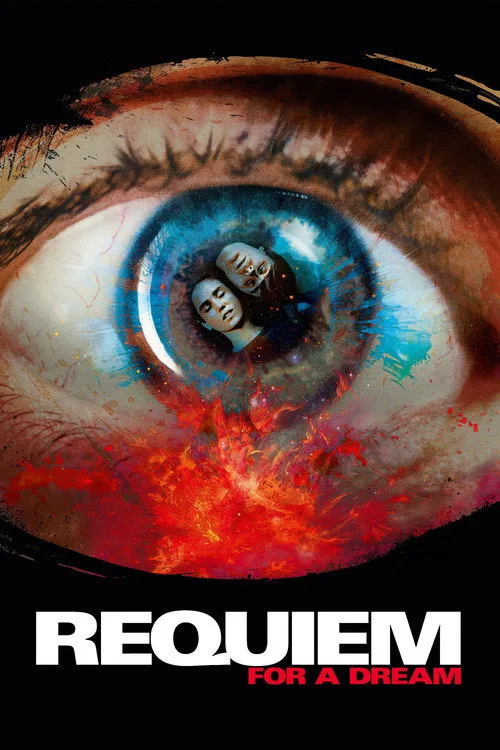
Requiem for a Dream
Crime, Drama · 1h 42m
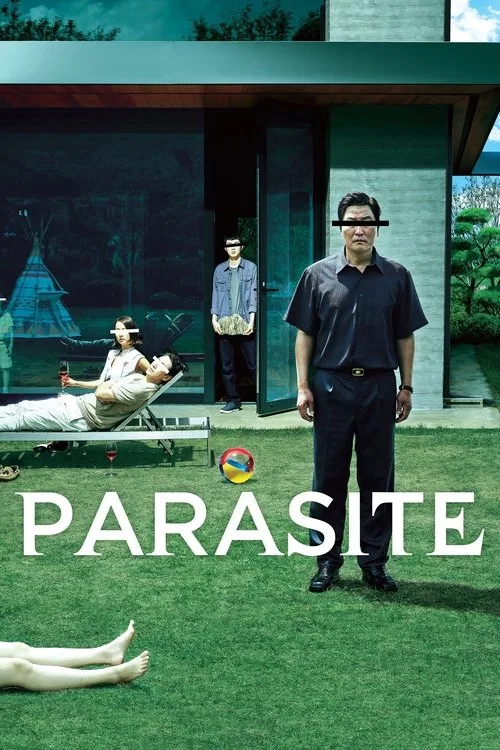 Cannes 2019
 Parasite
Thriller, Drama · 2h 12m
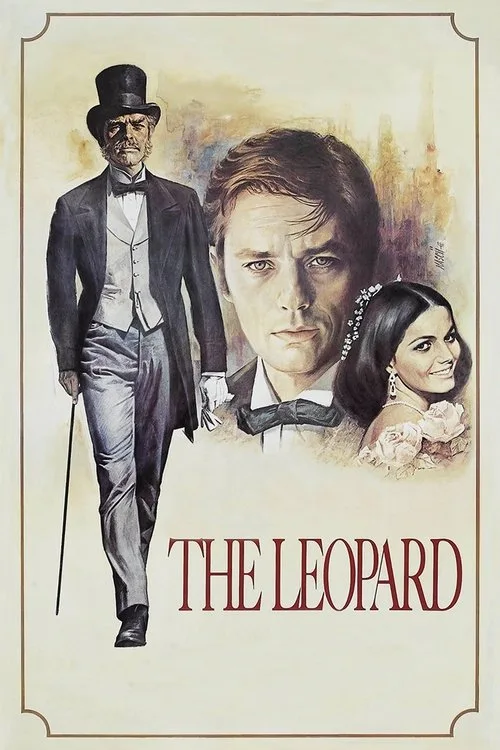 Cannes 1963
 The Leopard
Drama, History · 3h 5m
 Cannes 1960
 La Dolce Vita
Drama · 2h 54m
Streaming: MUBI. Rent: Amazon Video, Apple TV, Fandango at Home. Buy: Amazon Video, Apple TV, Fandango at Home. Regional notes: MUBI in the United States; MUBI in the United Kingdom; MUBI in India; MUBI in Turkey.