Sing Sing Review: Colman Domingo Finds Grace Inside the Walls
★★★★☆ 4.4/5
A rare film where authenticity earns every tear.
Where to watch Sing Sing
Streaming: HBO Max, Cinemax
Rent: Amazon Video, Apple TV, Google Play, YouTube, Fandango at Home
Buy: Amazon Video, Apple TV, Google Play, YouTube, Fandango at Home
By region: HBO Max, Cinemax in the United States; KlikFilm in Indonesia; TV+ in Turkey; Prime Video in Japan
Full scores & availability on the movie page.
Is Sing Sing good?
Yes — a 97/100 Celluloid Editorial Rating, 95% Audience Snapshot, and 83 Metascore make Sing Sing one of the most consistently praised dramas of its year, with a Letterboxd rating of 4.2 and an IMDb score of 7.6 reinforcing the consensus. Greg Kwedar’s prison theater drama earns its acclaim through restraint rather than spectacle, and the rare alignment between critics and audiences here suggests a film that connects on its own terms rather than splitting along the usual critic-versus-crowd lines.
What is Sing Sing about?
Sing Sing follows Divine G, a man imprisoned for a crime he did not commit, who finds a reason to keep going through a theater program run inside the prison. Colman Domingo plays Divine G opposite Clarence Maclin, Paul Raci, and Sean San José, with several roles filled by formerly incarcerated men effectively playing versions of their own experience. Rather than building toward a single redemptive climax, the film settles into the rhythms of rehearsal, disagreement, and quiet camaraderie, using the theater troupe as a lens on what it takes to hold onto a sense of self inside a system built to erase it.
Should you watch Sing Sing?
Yes, especially if you’re drawn to character-driven dramas that trust silence and patience over plot mechanics. The tight gap between the Celluloid Editorial Rating (97%) and Audience Snapshot (95%) is unusual and suggests the film’s appeal isn’t confined to festival circuits or awards-season conversation — it plays for general audiences too. The Metascore of 83 lands a little lower, likely reflecting a handful of critics who found the back half more conventional than the setup promises, but the overall picture is of a film that rewards the time it asks for rather than testing your patience.
How does Sing Sing compare to The Shawshank Redemption?
Both films locate hope inside incarceration, but they arrive at it differently. The Shawshank Redemption is fundamentally a fable — a story of patience and eventual triumph told with classical Hollywood polish. Sing Sing has no interest in that kind of narrative payoff; its power comes from the unresolved, ongoing nature of its characters’ situations and the fact that many of the men on screen are portraying versions of their own lives rather than fictional stand-ins. Where Shawshank offers catharsis, Sing Sing offers something closer to witness — less a story about escape than one about what people build for themselves when escape isn’t an option.
If you liked Sing Sing
Ranked by genre overlap and Celluloid Score — full “movies like Sing Sing” page.

The Shawshank Redemption
Drama · 2h 22m
 Featured
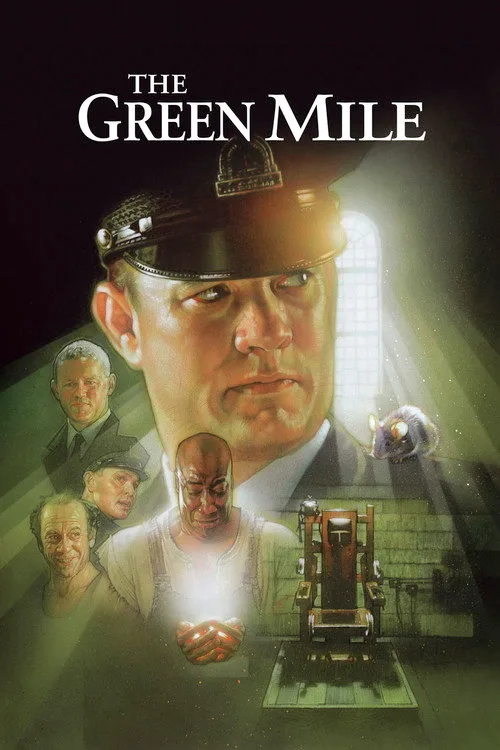
 The Green Mile
Fantasy, Drama · 3h 9m
 Featured
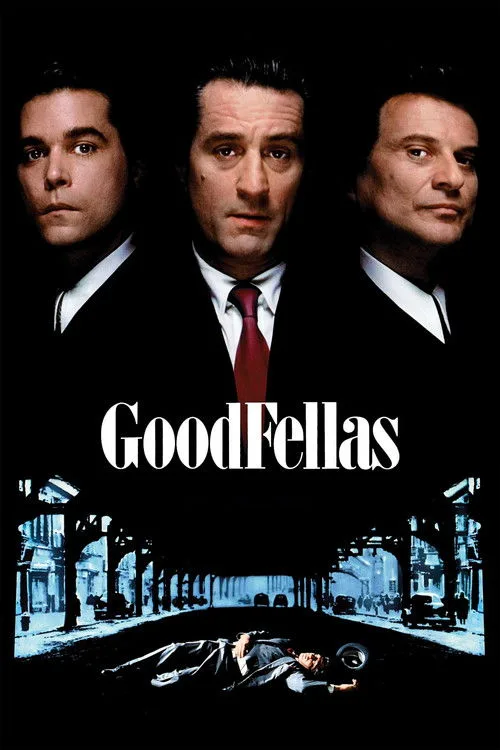
 GoodFellas
Drama, Crime · 2h 25m
 TIFF 2013
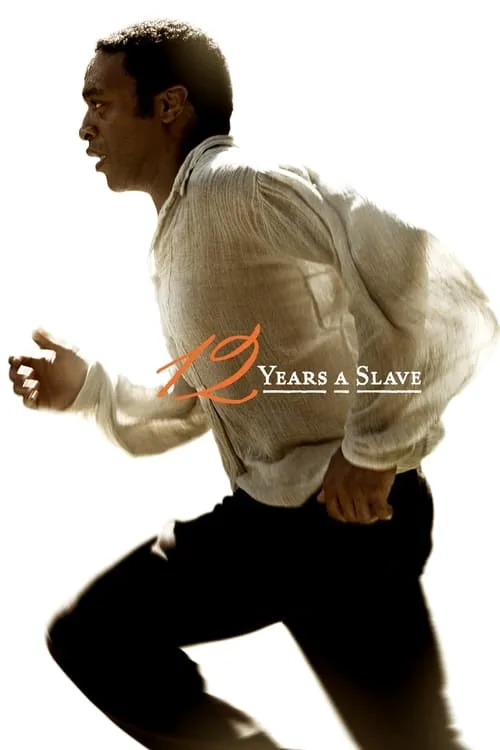
 12 Years a Slave
Drama, History · 2h 14m
Streaming: HBO Max, Cinemax. Rent: Amazon Video, Apple TV, Google Play, YouTube, Fandango at Home. Buy: Amazon Video, Apple TV, Google Play, YouTube, Fandango at Home. Regional notes: HBO Max, Cinemax in the United States; KlikFilm in Indonesia; TV+ in Turkey; Prime Video in Japan.