On Becoming a Guinea Fowl Review: Rungano Nyoni's Devastating Zambian Satire
★★★★★ 5/5
A bold, uncomfortable, and brilliantly controlled second feature.
Where to watch On Becoming a Guinea Fowl
Streaming: HBO Max, Cinemax
Rent: Amazon Video, Google Play, YouTube, Fandango at Home
Buy: Amazon Video, Google Play, YouTube, Fandango at Home
By region: HBO Max, Cinemax in the United States
Full scores & availability on the movie page.
Is On Becoming a Guinea Fowl good?
Yes — this is a formally audacious, deeply unsettling piece of filmmaking that ranks among the year’s most distinctive. With a Celluloid Editorial Rating of 100 and a Metascore of 87, professional critics have responded to it with near-total enthusiasm, while the more modest 72% Audience Snapshot and 3.5 Letterboxd rating point to a film that divides general viewers even as it wins over reviewers. That gap isn’t a warning sign so much as a preview of what kind of experience awaits: Rungano Nyoni is not interested in easy comfort, and the numbers reflect a film built to provoke rather than soothe.
What is On Becoming a Guinea Fowl about?
It’s a Zambian funeral drama that uses ritual and dark comedy to pry open a family’s buried secrets. The story begins when Shula discovers her uncle’s body on a deserted road late at night, and from there the film follows the elaborate funeral proceedings that consume the family in the days after. As mourners gather and custom takes over, the performance of grief starts to crack, revealing old, unspoken harm that the family has spent years working to keep hidden. Nyoni uses the strange rhythms of funeral bureaucracy — and a recurring, faintly surreal guinea fowl motif — to turn a story of mourning into something closer to reckoning.
Should you watch On Becoming a Guinea Fowl?
Watch it if you want cinema that challenges rather than comforts, but go in knowing it withholds easy catharsis. The near-unanimous critical acclaim is well earned: Nyoni’s control of tone is remarkable, shifting between absurdist comedy and genuine horror without ever losing coherence. The lower audience and Letterboxd scores suggest that some viewers find the symbolism opaque or the ending too unresolved for their taste, but that friction seems intentional rather than a flaw. This is a film for viewers who want to sit with discomfort, not have it resolved for them.
How does On Becoming a Guinea Fowl compare to I Am Not a Witch?
Nyoni’s debut, I Am Not a Witch, announced her as a filmmaker willing to use satire to interrogate how African communities police women through superstition and tradition. On Becoming a Guinea Fowl feels like a natural continuation of that project, trading the earlier film’s fable-like structure for a more grounded, domestic setting — a funeral rather than a village trial — while keeping the same instinct for finding absurdity inside oppressive custom. Where the debut aimed its critique outward at a community’s collective delusion, this follow-up turns inward, toward the family itself, making the silence it exposes feel even more intimate and harder to escape. Together, the two films suggest a director steadily sharpening the same essential tool: comedy as a means of forcing an audience to look at what a culture would rather leave buried.
If you liked On Becoming a Guinea Fowl
Ranked by genre overlap and Celluloid Score — full “movies like On Becoming a Guinea Fowl” page.
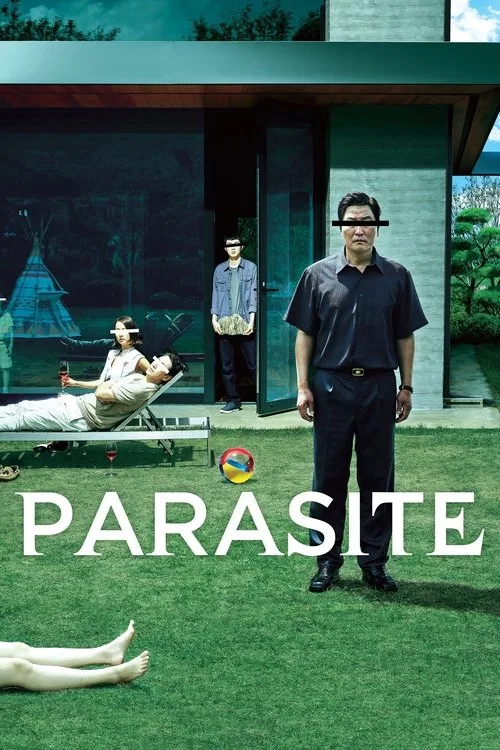 Cannes 2019
 Parasite
Thriller, Drama · 2h 12m
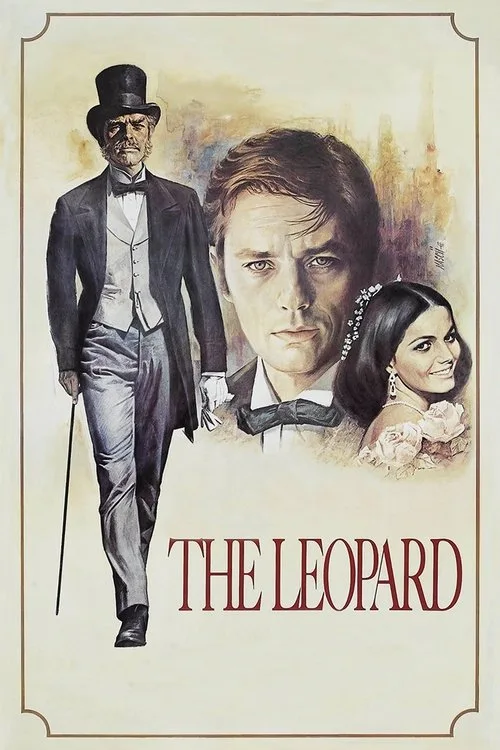 Cannes 1963
 The Leopard
Drama, History · 3h 5m
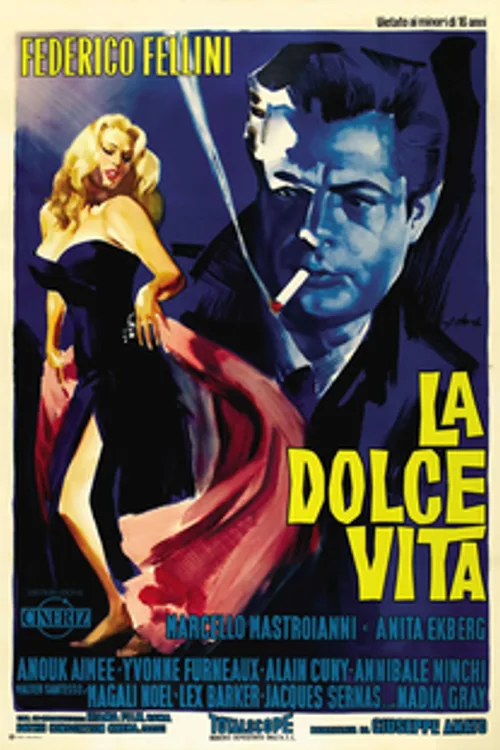 Cannes 1960
 La Dolce Vita
Drama · 2h 54m
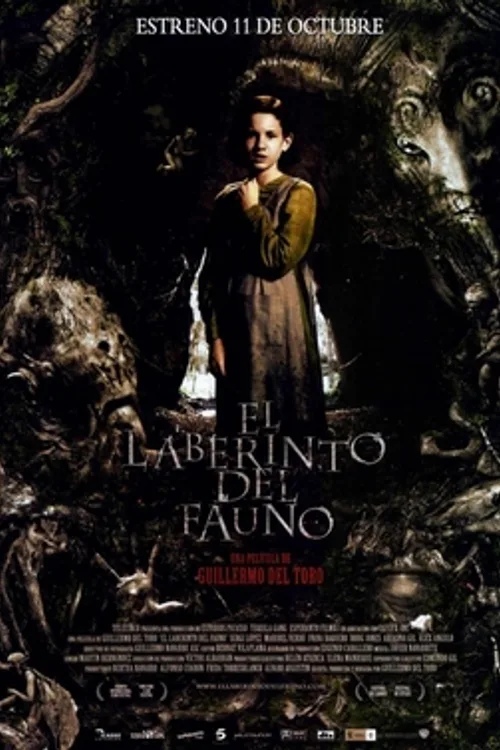 Cannes 2006
 Pan's Labyrinth
Fantasy, Drama · 1h 58m
Streaming: HBO Max, Cinemax. Rent: Amazon Video, Google Play, YouTube, Fandango at Home. Buy: Amazon Video, Google Play, YouTube, Fandango at Home. Regional notes: HBO Max, Cinemax in the United States.