My Father's Shadow Review: Nigeria's Cannes Breakthrough Is a Quiet Marvel
★★★★½ 4.5/5
A near-perfect debut
Where to watch My Father's Shadow
Streaming: MUBI
Rent: Amazon Video, Apple TV, Fandango at Home
Buy: Amazon Video, Apple TV, Fandango at Home
By region: MUBI in the United States; MUBI in the United Kingdom; MUBI in India; MUBI in Turkey
Full scores & availability on the movie page.
Is My Father’s Shadow good?
Yes — it’s one of the most acclaimed Nigerian films to reach international screens, and the acclaim is earned. Akinola Davies Jr.’s feature debut turns a single day into something expansive: a boy’s-eye view of a father he’s only beginning to understand, set against the real-life chaos of Nigeria’s annulled 1993 election. Sope Dirisu anchors the film with a performance built on withholding rather than explaining, and the two young non-professional actors playing his sons give the film an unforced, documentary-like tenderness. The film earned a Special Mention for the Caméra d’Or at Cannes and has carried that momentum through festival circuits worldwide, and it’s easy to see why — every scene feels observed rather than staged.
What is My Father’s Shadow about?
It follows two brothers who spend a day in Lagos with the father they barely see, only to have that day upended by history and a hidden illness. Folarin takes his sons along while he tries to collect money he’s owed, weaving through a city gripped by uncertainty as the results of the presidential election are annulled in real time. Along the way there’s an amusement park, a beach, small jokes and small disappointments — the ordinary texture of a strained relationship. Underneath it, Folarin is nursing unexplained nosebleeds he won’t discuss, and the film lets that detail sit quietly until its weight becomes unavoidable. By the end, a day meant to be forgettable becomes the memory the whole film is built around.
Should you watch My Father’s Shadow?
Yes, especially if you’re drawn to intimate family dramas that use personal history to illuminate bigger political moments. This isn’t a film that explains Nigeria’s 1993 election crisis to outsiders through exposition; it trusts the audience to feel the tension through a father’s distraction, a radio left on in the background, streets that empty out without warning. That approach won’t suit viewers who want a tidier historical drama, but for anyone willing to sit with ambiguity, the payoff is considerable. It’s also simply a well-made film — patient camerawork, an unhurried pace, and a final stretch that recontextualizes everything that came before it.
How does it compare to other festival-circuit debuts?
It stands with the strongest recent directorial debuts precisely because it resists the urge to over-explain its themes. Where many first features lean on style to compensate for thin material, Davies Jr. does the opposite — the craft is understated, almost invisible, so the emotional current can do the work. It shares some DNA with other coming-of-age-meets-national-history films, but its specificity to Lagos, to Yoruba and Pidgin rhythms of speech, and to a very particular moment in Nigerian history gives it an identity entirely its own. As a statement of arrival for both its director and for Nigerian cinema on the world stage, it’s hard to overstate how significant this one is.
If you liked My Father's Shadow
Ranked by genre overlap and Celluloid Score — full “movies like My Father's Shadow” page.
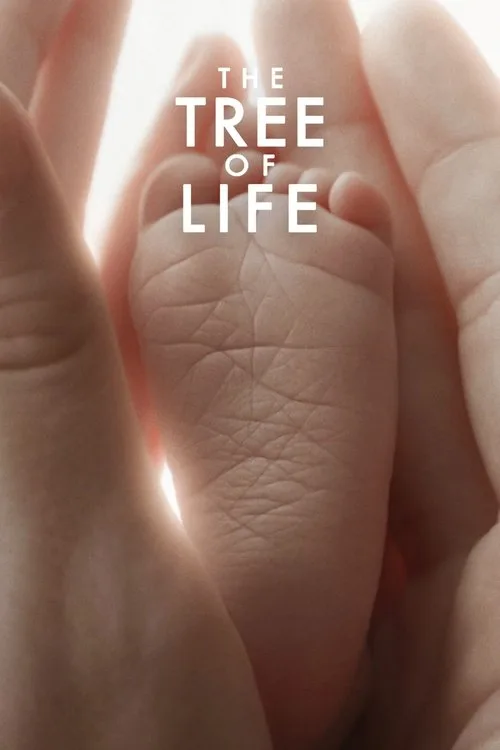 Cannes 2011
 The Tree of Life
Drama, Fantasy · 2h 19m
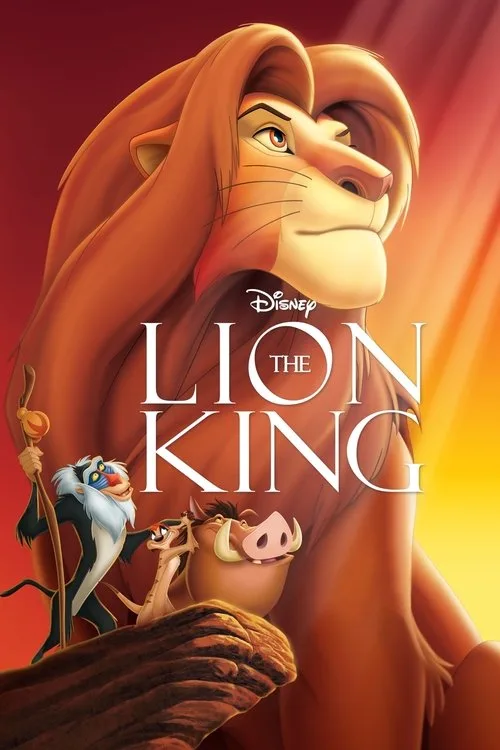
The Lion King
Animation, Family · 1h 29m
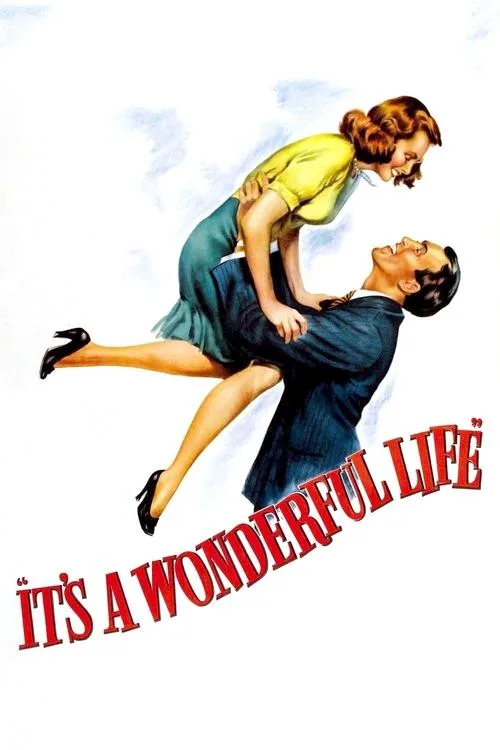 Featured
 It's a Wonderful Life
Drama, Family · 2h 11m
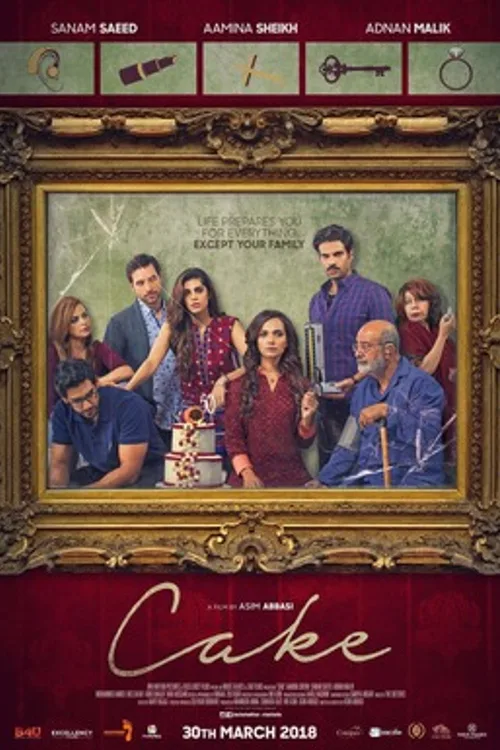
Cake
Drama, Family · 2h 5m
Streaming: MUBI. Rent: Amazon Video, Apple TV, Fandango at Home. Buy: Amazon Video, Apple TV, Fandango at Home. Regional notes: MUBI in the United States; MUBI in the United Kingdom; MUBI in India; MUBI in Turkey.