Molli and Max in the Future Review: DIY Sci-Fi Romance With Real Gravity
★★★½☆ 3.5/5
Inventive, uneven, and genuinely romantic.
Where to watch Molli and Max in the Future
Streaming: Prime Video
Rent: Amazon Video, Apple TV, Google Play, YouTube, Fandango at Home
Buy: Amazon Video, Apple TV, Google Play, YouTube, Fandango at Home
By region: Prime Video in the United States; Prime Video in the United Kingdom
Full scores & availability on the movie page.
Is Molli and Max in the Future good?
Yes — this is a scrappy, big-hearted sci-fi romance that earns its Celluloid Editorial Rating of 98% while asking real patience of its audience, reflected in a more modest 75% Audience Snapshot. The gap between those two numbers is the whole story here: critics fell hard for the film’s homemade ingenuity, while everyday viewers found its sprawling runtime and loose structure harder to love unconditionally. A 70 Metascore and a 3.5 rating on Letterboxd back up that split-the-difference read — this is a film that rewards the right kind of viewer more than it charms everyone equally.
What is Molli and Max in the Future about?
It follows two people whose lives keep intersecting across roughly a decade of shifting futures, tracing how a single connection survives years of bad timing. Writer-director Michael Lukk Litwak builds an episodic love story around Zosia Mamet and Aristotle Athari’s characters, checking in on them again and again as their circumstances, and the world around them, keep changing. Rather than one continuous plot, the film plays out as a string of reunions and near-misses, using its speculative setting less for spectacle and more as a way to keep raising the stakes on whether these two will ever get their timing right.
Should you watch Molli and Max in the Future?
Watch it if you’re drawn to inventive, lower-budget genre filmmaking and don’t mind a long, episodic runtime — this is a rewarding watch for patient viewers rather than an easy crowd-pleaser. At 175 minutes, the film asks a lot of its audience, and the daylight between its critic and audience numbers suggests it won’t land the same way for everyone. But for viewers who enjoy watching a filmmaker stretch a small budget into something imaginative, and who appreciate character-driven sci-fi over action-driven sci-fi, the payoff is genuine. Go in expecting charm and improvisation rather than polish.
How does Molli and Max in the Future compare to Eternal Sunshine of the Spotless Mind?
Both films use a speculative, slightly warped version of reality to examine why two mismatched people keep finding their way back to each other, trusting an inventive high-concept frame to carry real emotional weight rather than treating it as a gimmick. Eternal Sunshine achieves that with a tighter, more polished structure and a much bigger budget, while Molli and Max gets there through scrappier, homemade means and a looser, more sprawling shape. Fans of the former’s blend of heartbreak and formal invention will likely find plenty to appreciate in the latter’s rougher-edged, lower-budget take on similar territory, even if the pacing asks for more patience along the way.
If you liked Molli and Max in the Future
Ranked by genre overlap and Celluloid Score — full “movies like Molli and Max in the Future” page.
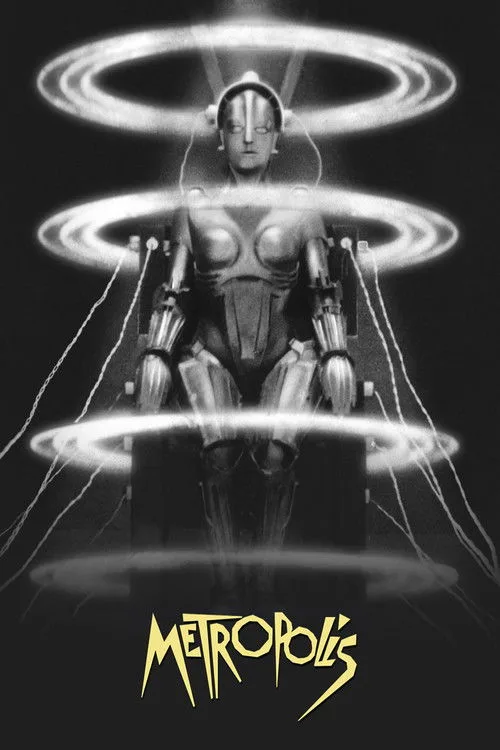
Metropolis
Sci-Fi, Drama · 2h 33m
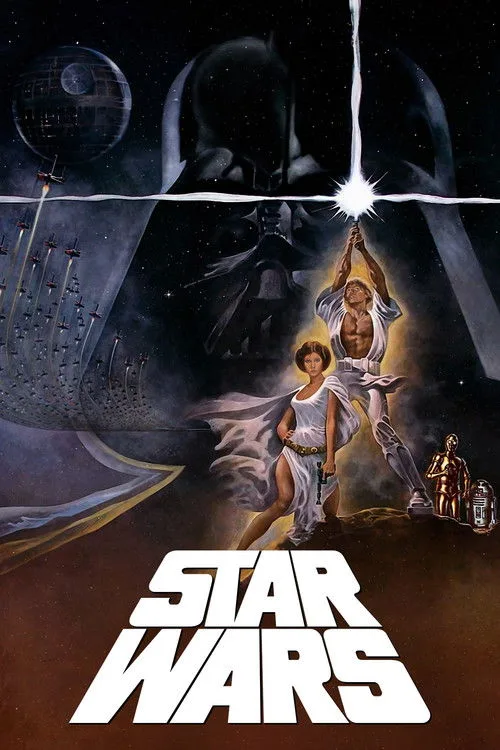
Star Wars
Sci-Fi, Adventure · 2h 1m
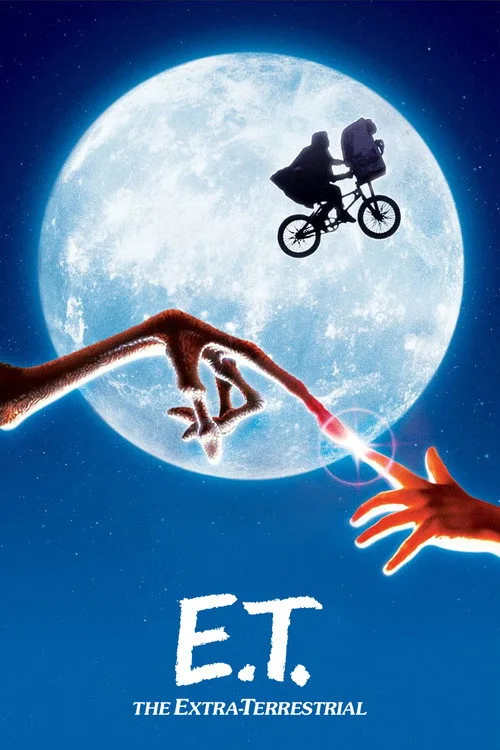
E.T. the Extra-Terrestrial
Family, Sci-Fi · 1h 55m
 TIFF 2024
 The Wild Robot
Sci-Fi, Animation · 1h 55m
Streaming: Prime Video. Rent: Amazon Video, Apple TV, Google Play, YouTube, Fandango at Home. Buy: Amazon Video, Apple TV, Google Play, YouTube, Fandango at Home. Regional notes: Prime Video in the United States; Prime Video in the United Kingdom.