LOLA Review: A Wartime Sci-Fi That Curdles Beautifully
★★★½☆ 3.6/5
Inventive, chilly, and divisive in the best way.
Where to watch LOLA
Streaming: Prime Video
Rent: Amazon Video, Apple TV, Google Play, YouTube, Fandango at Home
Buy: Amazon Video, Apple TV, Google Play, YouTube, Fandango at Home
By region: Prime Video in the United States
Full scores & availability on the movie page.
Is LOLA good?
Yes, with a catch: LOLA is a critical darling that leaves ordinary audiences cold. Its Celluloid Editorial Rating sits at a perfect 100, while its Audience Snapshot lands at a much cooler 58 — one of the widest critic-audience gaps we’ve seen this year. The Metascore of 71 splits the difference, suggesting even measured critical opinion sees real ambition alongside real limitations. Letterboxd’s 3.3 and IMDb’s 6.4 both track closer to the audience read than the critic one, which tells you this is a film built for people who love formal experimentation more than easy comfort.
What is LOLA about?
LOLA follows two sisters in wartime Britain who build a device that can pick up broadcasts from the future, and then have to live with what they hear. Set in 1941, the story centers on Thom and Mars, who construct their homemade machine — nicknamed LOLA — almost as a lark, tuning in to radio and television signals that haven’t happened yet. What starts as curiosity and mischief gradually turns into something heavier, as the sisters realize that knowing what’s coming doesn’t mean they can control it, and that acting on foreknowledge during a war carries consequences they didn’t anticipate.
Should you watch LOLA?
Watch it if you’re drawn to inventive, low-budget science fiction that prioritizes ideas and atmosphere over polish — skip it if you need warmth or a conventional emotional arc. Director Andrew Legge shoots the film to look like a recovered wartime newsreel, and that commitment to grainy, archival texture is the whole experience: it’s a formal high-wire act more than a character drama. The perfect Celluloid Editorial Rating reflects how well that experiment lands with people evaluating craft and originality, while the middling Audience Snapshot and Letterboxd rating suggest general viewers may find the deliberately distanced, chilly approach harder to connect with emotionally.
How does LOLA compare to The Man in the High Castle?
Both works use the idea of intercepted or altered information about the future to ask uncomfortable questions about complicity during wartime, but they arrive at that theme from opposite directions. Where the Amazon series builds an entire alternate history around Axis victory and lets its scale do the unsettling work, LOLA stays tiny and handmade, using two actresses, a single invented device, and degraded newsreel aesthetics to make its point. If you appreciate speculative fiction that uses restraint rather than spectacle to explore how much responsibility comes with knowledge, LOLA earns comparison to that kind of morally knotty alternate-history storytelling despite its far smaller scope and runtime.
If you liked LOLA
Ranked by genre overlap and Celluloid Score — full “movies like LOLA” page.
 Cannes 2006
 The Wind That Shakes the Barley
Drama, War · 2h 7m
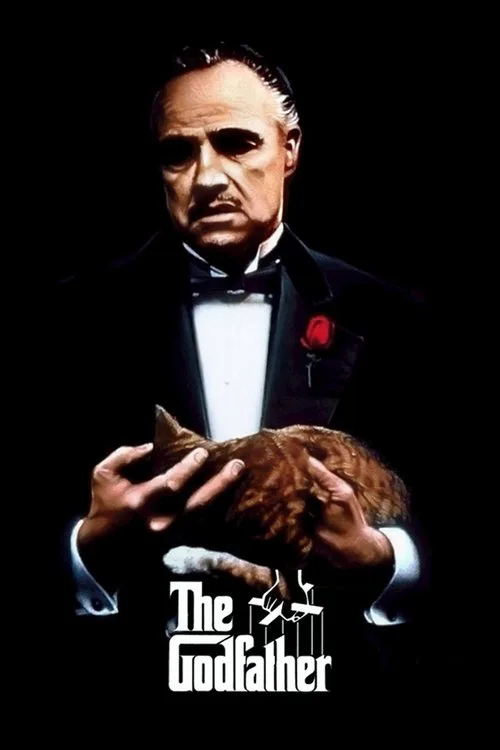
The Godfather
Crime, Drama · 2h 55m
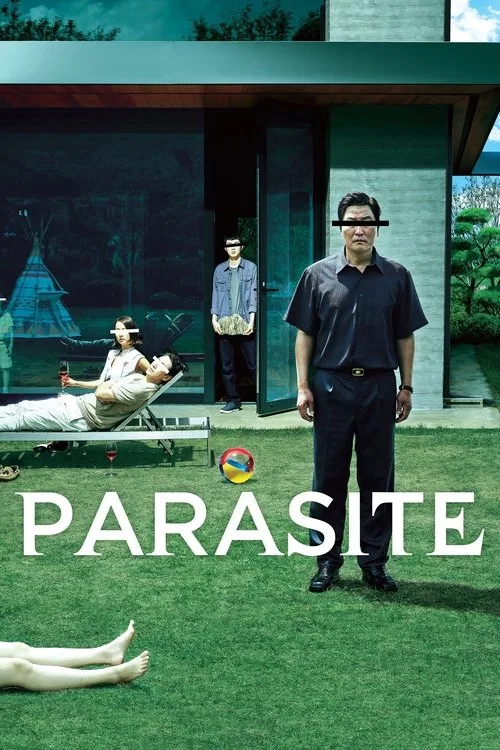 Cannes 2019
 Parasite
Thriller, Drama · 2h 12m
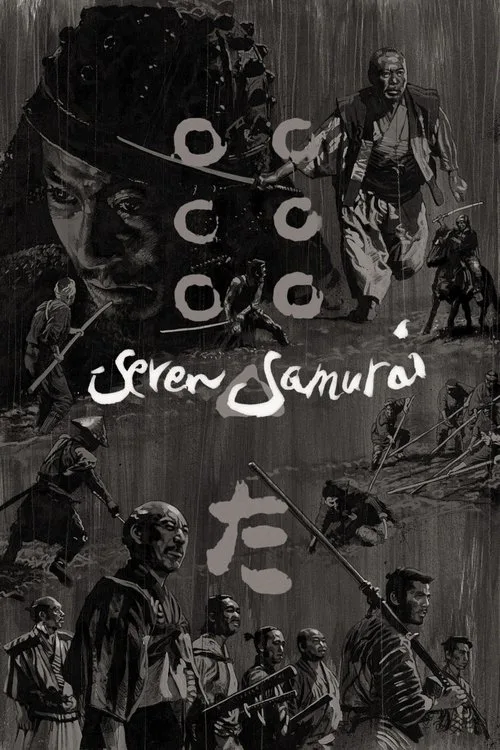 Venice 1954
 Seven Samurai
Action, Drama · 3h 27m
Streaming: Prime Video. Rent: Amazon Video, Apple TV, Google Play, YouTube, Fandango at Home. Buy: Amazon Video, Apple TV, Google Play, YouTube, Fandango at Home. Regional notes: Prime Video in the United States.