Little Amélie Review: Childhood as Sensation, Color, and Loss
★★★★½ 4.5/5
Tender, vivid, and surprisingly deep.
Where to watch Little Amélie or the Character of Rain
Not confirmed on major subscription platforms in our US baseline — check regional listings.
Rent: Amazon Video, Apple TV, Google Play, YouTube, Fandango at Home
Buy: Amazon Video, Apple TV, Google Play, YouTube, Fandango at Home
By region: Prime Video in India; TV+ in Turkey
Full scores & availability on the movie page.
Is Little Amélie or the Character of Rain good?
Yes — a 97 Celluloid Editorial Rating, 82 Metascore, and a 91 Audience Snapshot make this one of the most warmly received animated films of the year. Maïlys Vallade, adapting Amélie Nothomb’s autobiographical novel, renders early childhood as a rush of sensation and color, trusting its youngest narrator to carry surprisingly weighty ideas about identity and loss. Loïse Charpentier voices Amélie with a curiosity that never feels performed, and the film’s 130-minute runtime allows Vallade to inhabit the slowness of childhood perception rather than rushing toward adult conclusions.
What is Little Amélie or the Character of Rain about?
A toddler’s ordinary, wondering existence is upended the moment she tastes chocolate for the first time, and that small jolt of pleasure sets off a much larger awakening of self. From there, young Amélie starts noticing the textures of the world around her — rain most of all — and begins puzzling out ideas of identity, change, and eventual loss well before she has the language for them. Victoria Grobois, Laetitia Coryn, and Marc Arnaud support Charpentier in a voice cast that treats the child’s perspective as authoritative rather than cute, and Vallade’s animation renders weather itself as a kind of character rather than mere backdrop.
Should you watch Little Amélie or the Character of Rain?
Yes — especially if you appreciate animated films that respect children’s intelligence and don’t condescend to adult co-viewers. A 91 Audience Snapshot is exceptional for a French animated feature without franchise branding, and a 3.9 Letterboxd rating (alongside 7.5 on IMDb) confirms that viewers who commit to its pace find it rewarding. At 130 minutes, it may test younger attention spans, but families who enjoy My Neighbor Totoro or The Red Turtle will recognize a similar trust in quiet observation over incident.
How does Little Amélie or the Character of Rain compare to The Tale of the Princess Kaguya?
Both films share an ambition to translate a beloved literary source into animation without smoothing over its stranger, more melancholy edges, and both trust a child or childlike protagonist to anchor ideas usually reserved for adult drama. The Tale of the Princess Kaguya’s watercolor line work externalizes its heroine’s inner life through movement and brushstroke, while Little Amélie leans on rain, light, and texture to do similar work for a much younger narrator. Where Kaguya builds toward a mythic, almost operatic sorrow, Vallade’s film stays closer to the ground — its losses are smaller in scale but no less keenly felt, filtered through the limited, curious vocabulary of a toddler discovering that the world changes whether she’s ready or not. Viewers drawn to one film’s patience with silence and sensory detail are likely to find the other equally rewarding.
If you liked Little Amélie or the Character of Rain
Ranked by genre overlap and Celluloid Score — full “movies like Little Amélie or the Character of Rain” page.
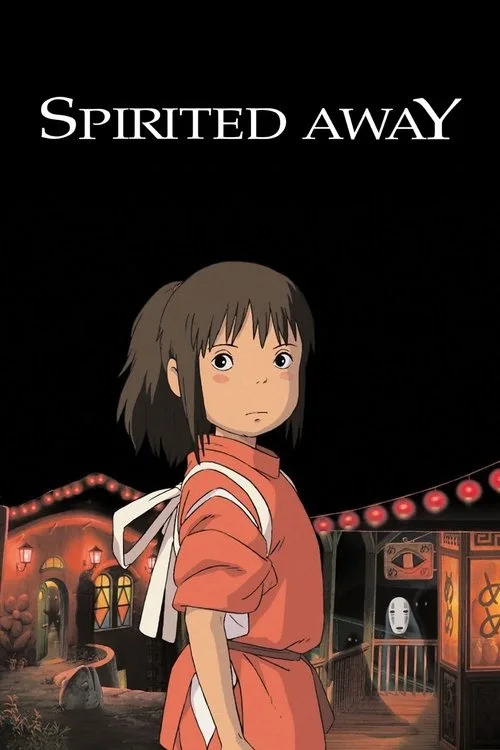 Berlinale 2002
 Spirited Away
Animation, Fantasy · 2h 5m
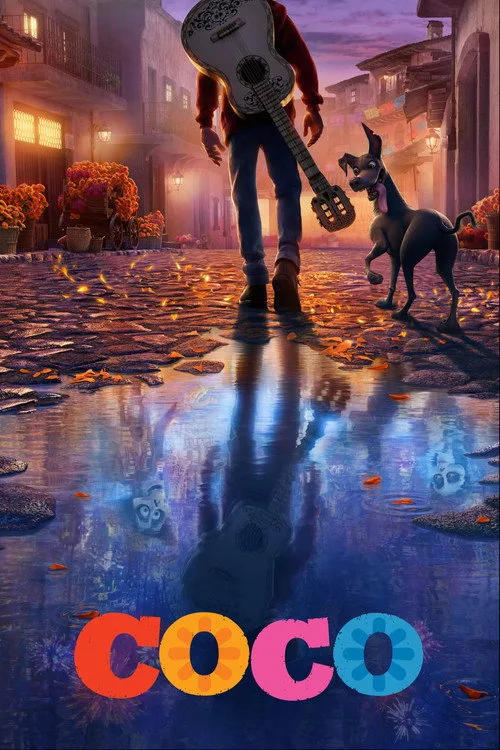 Morelia 2017
 Coco
Animation, Family · 1h 45m
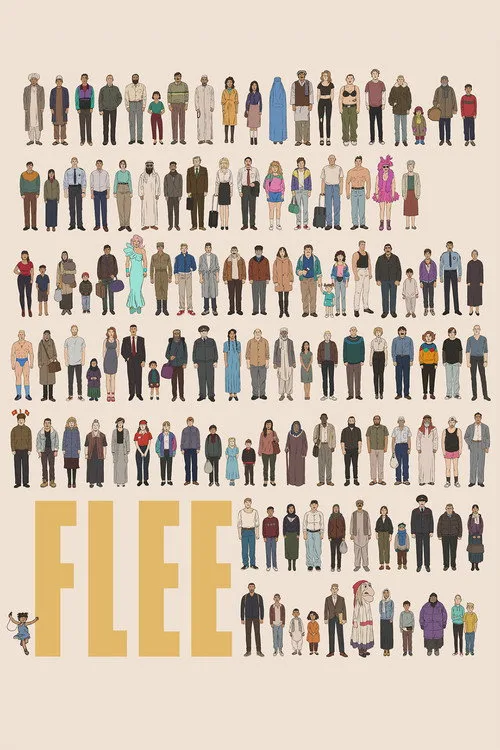 Sundance 2021
 Flee
Documentary, Animation · 1h 29m
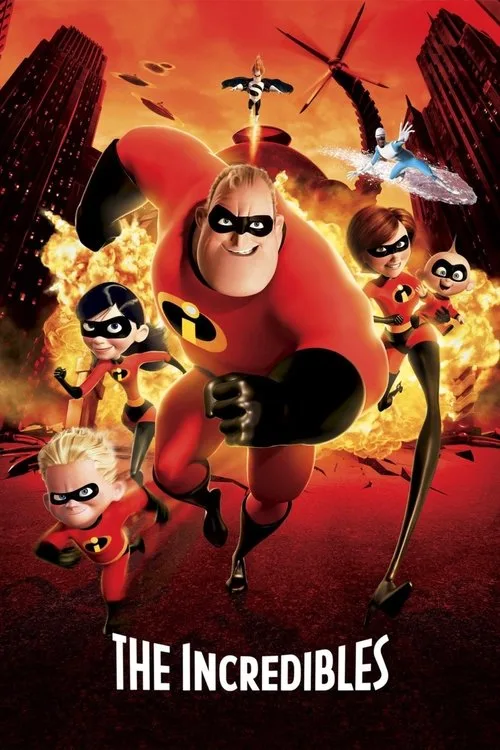 Featured
 The Incredibles
Action, Adventure · 1h 55m
Rent: Amazon Video, Apple TV, Google Play, YouTube, Fandango at Home. Buy: Amazon Video, Apple TV, Google Play, YouTube, Fandango at Home. Regional notes: Prime Video in India; TV+ in Turkey.