It's Never Over, Jeff Buckley Review: A Restless Spirit, Fully Rendered
★★★½☆ 3.8/5
The definitive Buckley documentary — finally.
Where to watch It's Never Over, Jeff Buckley
Streaming: HBO Max
Rent: Amazon Video, Apple TV, Google Play, YouTube, Fandango at Home
Buy: Amazon Video, Apple TV, Google Play, YouTube, Fandango at Home
By region: HBO Max in the United States; Prime Video in Turkey
Full scores & availability on the movie page.
Is It’s Never Over, Jeff Buckley good?
Yes — with a 98 Celluloid Editorial Rating, an 86 Audience Snapshot, and a 72 Metascore, this is one of the best-reviewed music documentaries in recent memory. Critics and audiences rarely land in such close agreement, especially on a film about an artist as heavily mythologized as Jeff Buckley. That alignment speaks to how carefully director Amy Berg balances reverence with honesty, letting the film earn its emotion rather than manufacture it.
What is It’s Never Over, Jeff Buckley about?
It’s a career-spanning portrait of singer-songwriter Jeff Buckley, built from home recordings, archival performance footage, and interviews with the people who knew him best. Directed by Amy Berg, whose previous documentary work includes profiles of similarly mythologized musicians, the film traces Buckley’s path from childhood through his sudden drowning death at thirty. Rather than leaning on outside talking heads to explain his legacy, Berg prioritizes Buckley’s own voice — letting unguarded tapes and unpolished footage do the work that narration usually does in this genre.
Should you watch It’s Never Over, Jeff Buckley?
Yes, particularly if you only know Buckley through “Hallelujah” and want to understand the person behind it. At 145 minutes, the film is a commitment, but the pacing benefits from Berg’s refusal to rush toward tragedy or linger in it. Longtime fans will find new intimacy in the home-recording footage, while newcomers get a fuller picture of an artist whose posthumous fame has often overshadowed his actual body of work.
How does It’s Never Over, Jeff Buckley compare to Amy: The Documentary?
Asif Kapadia’s Amy offers the closest comparison — both films use an artist’s own recordings and unfiltered footage to push back against a public narrative that flattened a complicated person into a tragic headline. Where Amy leans into the discomfort of watching a life unravel in real time, It’s Never Over, Jeff Buckley is gentler in its pacing and more focused on artistic process than on spectacle. Both succeed for the same reason: they trust the subject’s own voice over anyone else’s interpretation of it, and both resist turning an early death into the whole story.
If you liked It's Never Over, Jeff Buckley
Ranked by genre overlap and Celluloid Score — full “movies like It's Never Over, Jeff Buckley” page.
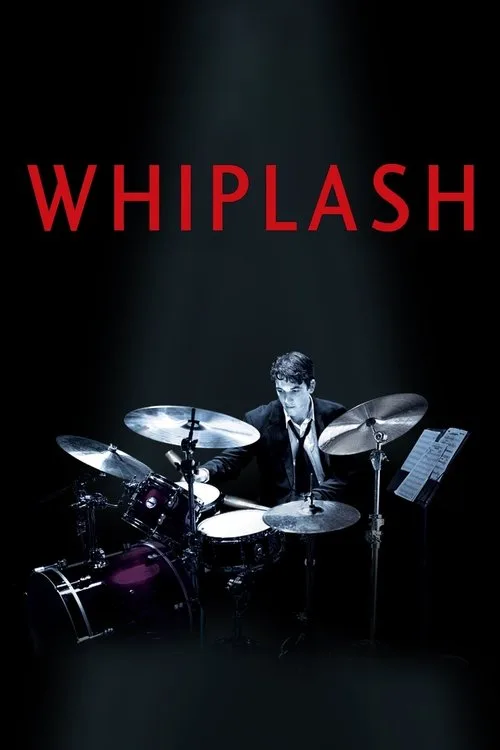 Sundance 2014
 Whiplash
Drama, Music · 1h 47m
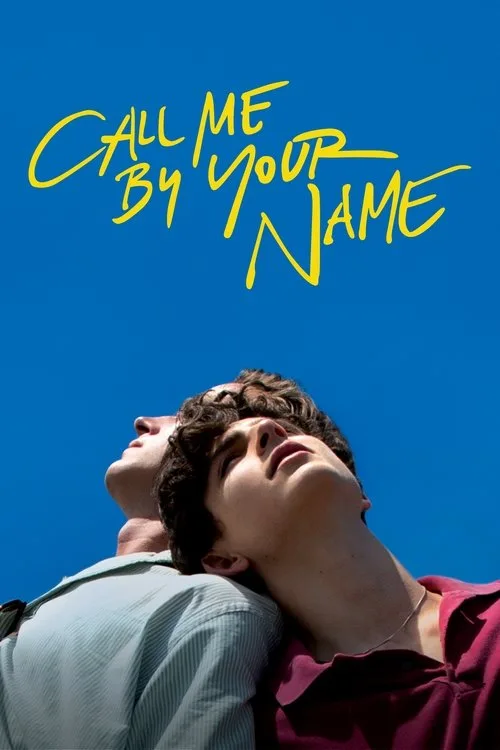 Sundance 2017
 Call Me by Your Name
Romance, Drama · 2h 12m
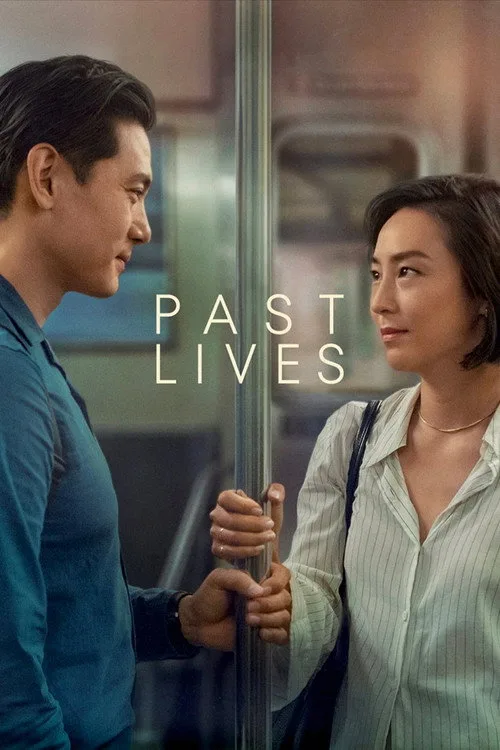 Sundance 2023
 Past Lives
Drama, Romance · 1h 46m
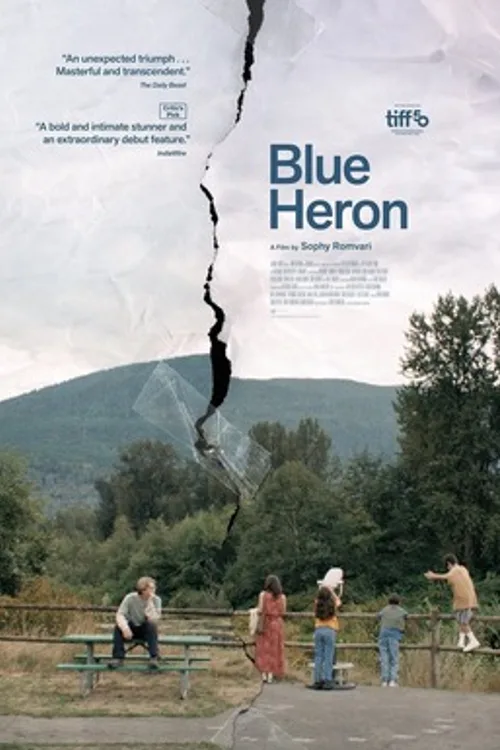 FeaturedSundance 2026
 Blue Heron
Drama · 1h 35m
Streaming: HBO Max. Rent: Amazon Video, Apple TV, Google Play, YouTube, Fandango at Home. Buy: Amazon Video, Apple TV, Google Play, YouTube, Fandango at Home. Regional notes: HBO Max in the United States; Prime Video in Turkey.