Good One Review: A Camping Trip Where Every Silence Cuts
★★★½☆ 3.9/5
A sharp debut that splits audiences and rewards patience.
Where to watch Good One
Streaming: MUBI
Rent: Amazon Video, Apple TV, Google Play, YouTube, Fandango at Home
Buy: Amazon Video, Apple TV, Google Play, YouTube, Fandango at Home
By region: MUBI in the United States; MUBI in the United Kingdom; KlikFilm in Indonesia; Prime Video in India
Full scores & availability on the movie page.
Is Good One good?
Yes — Good One is a critically excellent film that leaves general audiences more divided than its acclaim suggests. The Celluloid Editorial Rating sits at a near-unanimous 98, and the Metascore of 87 backs that up with the same enthusiasm, while the Audience Snapshot lands much lower at 68 and Letterboxd users rate it a modest 3.6. That gap is the most interesting thing about the film’s reception: it is a quiet, patient character study that rewards viewers willing to sit with discomfort rather than a crowd-pleasing drama.
What is Good One about?
Good One follows a teenage girl who spends a weekend watching the adults around her fail to live up to who they claim to be. Seventeen-year-old Sam joins her father and his old friend for a three-day backpacking trip through the Catskills, expecting a bonding ritual built on nostalgia and routine. Instead, the trip slowly exposes the small, unglamorous ways her father prioritizes his own comfort and ego over actually showing up for her, and Sam’s mostly silent observation of that failure becomes the real engine of the story.
Should you watch Good One?
Watch it if you’re drawn to slow-burn family dramas that trust silence over exposition — skip it if you want a plot with clear resolution. The nearly unanimous critic praise reflects genuine craft: a tightly controlled script, a hundred-minute runtime that never overstays its welcome, and a lead performance built almost entirely on watchful reaction shots rather than dialogue. The lower audience and Letterboxd numbers suggest that same restraint can feel frustrating if you’re hoping for catharsis, a confrontation, or a tidy emotional payoff. Neither response is wrong; they’re just reactions to a film that deliberately withholds the release a more conventional drama would provide.
How does Good One compare to Lady Bird?
Good One shares a clear lineage with Lady Bird in its interest in teenage girls who see their parents more clearly than their parents see themselves. Both films locate their drama in small domestic frictions rather than external conflict, and both hinge on a young lead performance that communicates as much through posture and expression as through lines. Where Lady Bird eventually offers its central relationship a measure of reconciliation, Good One is colder and more withholding — it has no interest in letting its father figure off the hook, and it never manufactures a scene of catharsis to resolve what the trip reveals. That refusal to soften the ending is exactly what makes the film feel more like an observational character study than a coming-of-age story, and it’s a large part of why critics have responded to it so much more warmly than casual viewers have.
If you liked Good One
Ranked by genre overlap and Celluloid Score — full “movies like Good One” page.
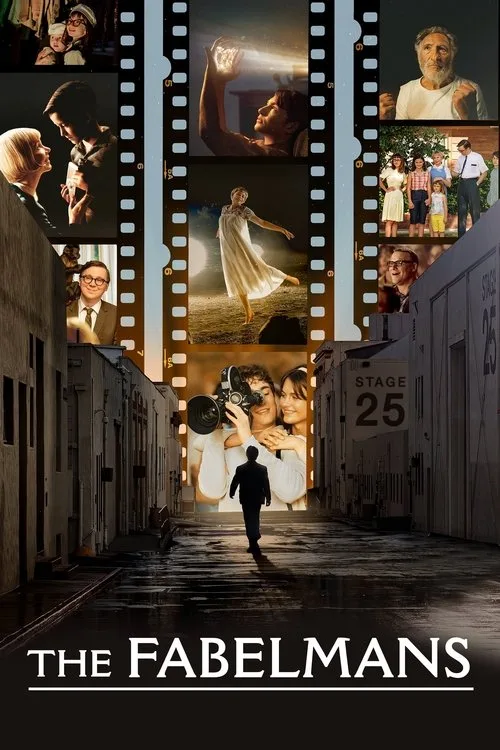 TIFF 2022
 The Fabelmans
Drama · 2h 31m
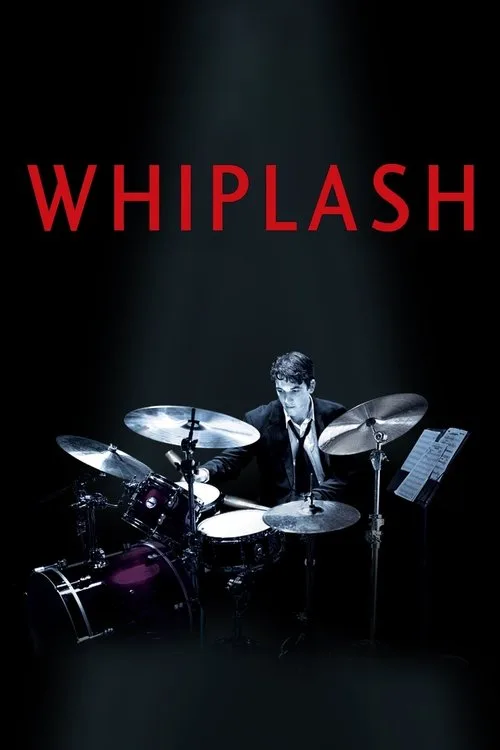 Sundance 2014
 Whiplash
Drama, Music · 1h 47m
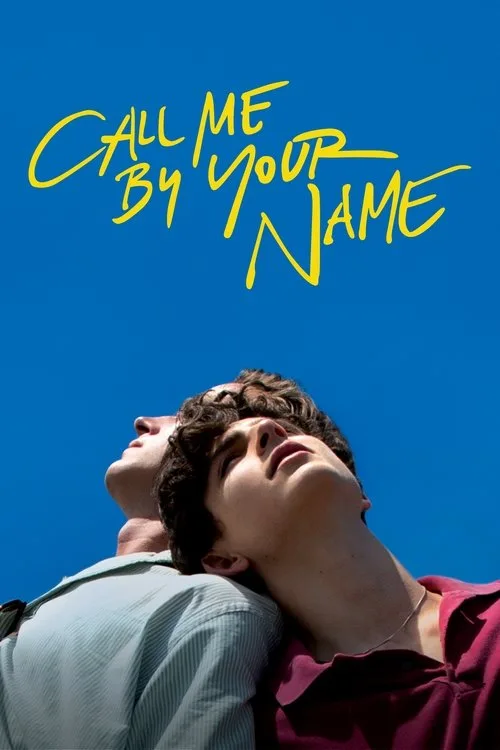 Sundance 2017
 Call Me by Your Name
Romance, Drama · 2h 12m
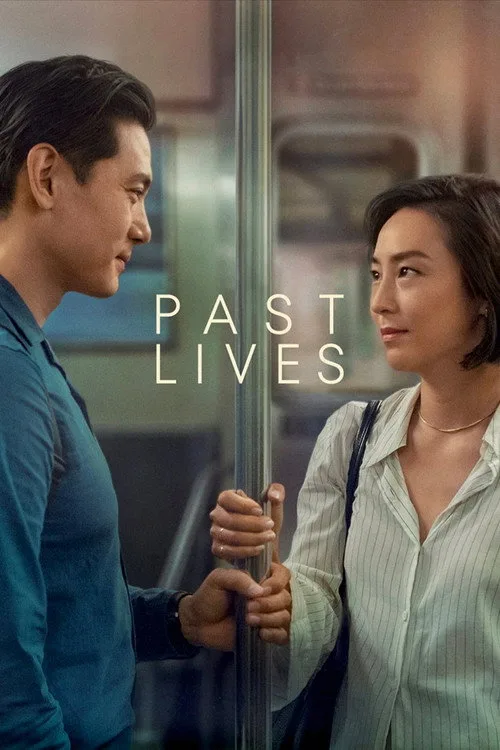 Sundance 2023
 Past Lives
Drama, Romance · 1h 46m
Streaming: MUBI. Rent: Amazon Video, Apple TV, Google Play, YouTube, Fandango at Home. Buy: Amazon Video, Apple TV, Google Play, YouTube, Fandango at Home. Regional notes: MUBI in the United States; MUBI in the United Kingdom; KlikFilm in Indonesia; Prime Video in India.