Flow Review: A Wordless Cat Odyssey That Won the Oscar
★★★★☆ 4.4/5
The best animated film you haven't seen yet — until now.
Where to watch Flow
Not confirmed on major subscription platforms in our US baseline — check regional listings.
Rent: Amazon Video, Apple TV, Google Play, YouTube, Fandango at Home
Buy: Amazon Video, Apple TV, Google Play, YouTube, Fandango at Home
By region: MUBI in the United Kingdom; KlikFilm in Indonesia; Prime Video in India; Disney+ in South Korea
Full scores & availability on the movie page.
Is Flow good?
Yes — Flow is one of the most acclaimed animated films in recent memory, and the numbers back up the praise. Gints Zilbalodis’s wordless Latvian production holds a Celluloid Editorial Rating of 97 and an Audience Snapshot of 98, a near-perfect alignment that’s rare for any film, let alone an independent animated one. The Metascore of 87 and a healthy 7.9 on IMDb round out a picture of a film that critics and everyday viewers agree on almost completely.
What is Flow about?
Flow follows a solitary cat forced to survive a catastrophic flood that has swallowed his home and the world around him. With no dialogue and no human characters, the story unfolds entirely through movement, sound, and behavior as the cat is swept into the company of other displaced animals — among them a capybara, a lemur, and a dog — who end up sharing passage on a small boat. What starts as a story of pure survival gradually becomes something gentler: a study of how wary, independent creatures learn to rely on one another when the ground they knew is gone.
Should you watch Flow?
Yes, especially if you want proof that animation doesn’t need a script to be moving. At 175 minutes it asks for patience, and its slow, observational rhythm is a deliberate departure from the joke-a-minute pace of most mainstream animated features. But that patience is rewarded: the animal behavior is rendered with a naturalism that makes the emotional beats land without a single word of narration or dialogue. Both the Celluloid Editorial Rating and Audience Snapshot sitting near the high 90s suggest this isn’t a film that only plays well with one type of viewer — it’s a rare crossover that satisfies craft-focused critics and casual audiences alike.
How does Flow compare to The Red Turtle?
Flow’s closest sibling is Michael Dudok de Wit’s The Red Turtle, another animated feature that strips away dialogue entirely and lets its castaway premise, texture, and sound design carry the emotional weight. Both films treat silence not as a limitation but as an invitation to watch more closely, and both use a stranded, elemental setting — an island, a flood — to explore themes of isolation turning into acceptance. Where The Red Turtle stays fixed on a single human figure across decades, Flow keeps its focus tighter and more immediate, following a single animal’s days-long fight to stay afloat alongside unlikely companions. Fans of The Red Turtle’s patient, painterly approach will find Flow moves at a similar register, just with fur instead of skin and a boat instead of a shoreline.
Craft
With no cast and no spoken dialogue, Flow lives entirely in its animation and score. Zilbalodis, who also co-wrote and co-composed the film, blends 3D rendering with softer, painterly lighting to create a world that feels tactile and mythic at once. The animals move with a specificity that reads as observed rather than invented — the cat’s caution, the capybara’s calm, the lemur’s nervous energy — and the score fills the space dialogue would normally occupy, carrying the story’s emotional turns without ever spelling them out.
Final verdict
Flow earns its acclaim through craft rather than novelty — a nearly wordless survival story that trusts its animals, its imagery, and its audience in equal measure. With critics and audiences this closely aligned, it’s a rare recommendation that comes with almost no caveats: watch it on the largest screen available and let it work at its own unhurried pace.
If you liked Flow
Ranked by genre overlap and Celluloid Score — full “movies like Flow” page.
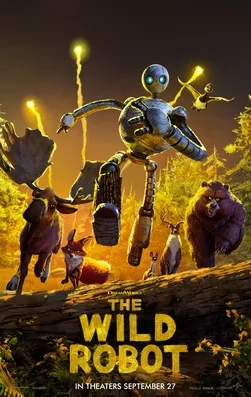 TIFF 2024
 The Wild Robot
Sci-Fi, Animation · 1h 55m
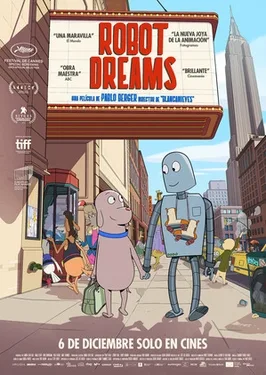 Cannes 2023
 Robot Dreams
Sci-Fi, Animation · 2h 55m
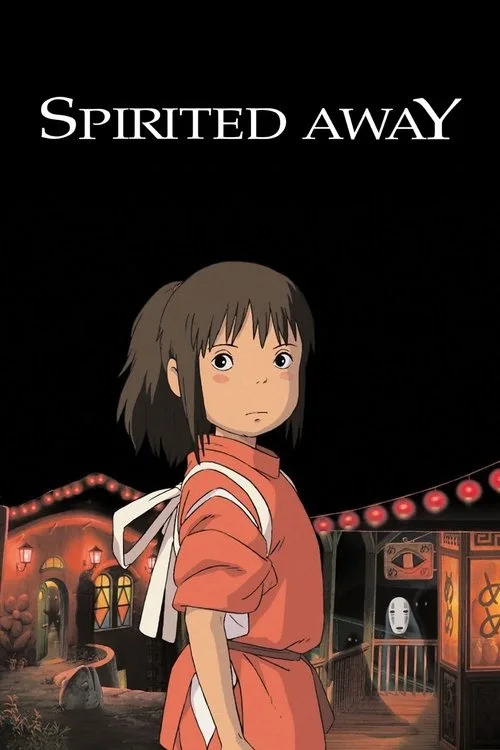 Berlinale 2002
 Spirited Away
Animation, Fantasy · 2h 5m
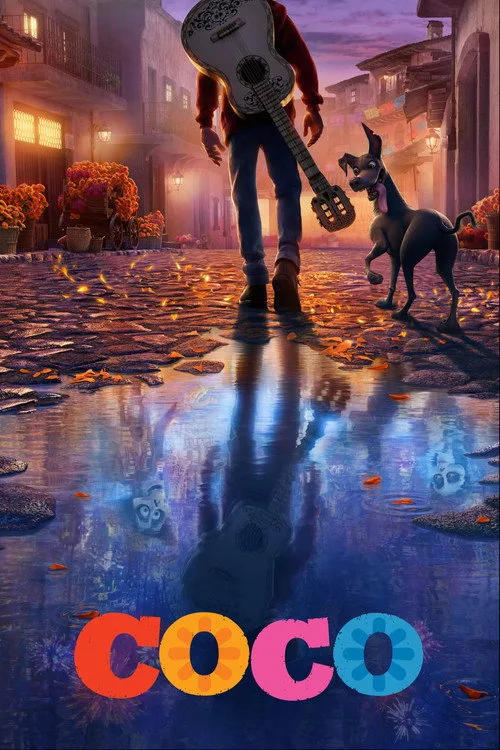 Morelia 2017
 Coco
Animation, Family · 1h 45m
Rent: Amazon Video, Apple TV, Google Play, YouTube, Fandango at Home. Buy: Amazon Video, Apple TV, Google Play, YouTube, Fandango at Home. Regional notes: MUBI in the United Kingdom; KlikFilm in Indonesia; Prime Video in India; Disney+ in South Korea.