Eephus Review: A Shaggy Elegy for Small-Town Baseball
★★★★★ 5/5
Patient, shaggy, and unexpectedly moving — if you meet it on its own clock.
Where to watch Eephus
Streaming: Prime Video, MUBI
Rent: Amazon Video, Apple TV, Google Play, YouTube, Fandango at Home
Buy: Amazon Video, Apple TV, Google Play, YouTube, Fandango at Home
By region: Prime Video, MUBI in the United States; KlikFilm in Indonesia; TVING in South Korea
Full scores & availability on the movie page.
Is Eephus good?
Yes — Eephus is a quietly exceptional film, though a divisive one. Carson Lund’s debut posts a perfect Celluloid Editorial Rating alongside a Metascore of 84, yet its Audience Snapshot sits at just 68%, with a Letterboxd rating of 3.7 and an IMDb rating of 6.7. That gap is the whole story: critics have embraced its patience, while everyday viewers are more split on whether its slow rhythms pay off.
What is Eephus about?
Eephus follows two amateur Sunday-league baseball teams playing the final game on a beloved small-town field before it’s paved over for construction. Set in New England, the film uses one long, unhurried afternoon to study the friendships, rivalries, and habits that have built up around this ritual over the years. Rather than chasing conventional sports-movie drama, it lingers in the pauses between pitches, letting the game’s dead time carry the emotional weight as the players sense they’re saying goodbye to something larger than the field itself.
Should you watch Eephus?
Watch it if you’re willing to meet a slow, observational film on its own terms — the reward is real, but so is the demand on your patience. With a 145-minute runtime built around the unhurried pace of amateur baseball, this is not a film for anyone looking for tight plotting or a conventional arc. It’s closer to a hangout movie that happens to take place on a diamond, populated by a cast of non-professional actors whose lived-in camaraderie gives every scene a documentary-like authenticity. Viewers drawn to character study, small-town texture, and quiet melancholy will find plenty to admire; those wanting momentum or a clear narrative destination may find the runtime a slog, which the wider gap between the Celluloid Editorial Rating and Audience Snapshot seems to bear out.
How does Eephus compare to Bull Durham?
Eephus invites an obvious comparison to Bull Durham, but it’s really that film with the romance and the wisecracks stripped away. Where Bull Durham turns baseball’s rituals into a stage for banter and courtship, Eephus strips the sport down to its bare social bones — the same dugout camaraderie and small rivalries, but rendered with a documentary stillness closer to observational filmmakers like Kelly Reichardt. It’s less interested in charm than in elegy: both films understand that baseball’s real drama lives in the waiting, but only Eephus is willing to let that waiting stretch until it becomes the entire point.
If you liked Eephus
Ranked by genre overlap and Celluloid Score — full “movies like Eephus” page.
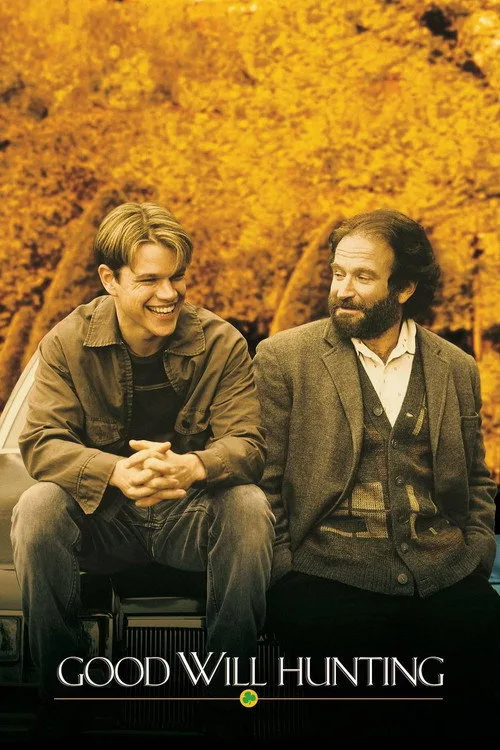
Good Will Hunting
Drama · 2h 7m
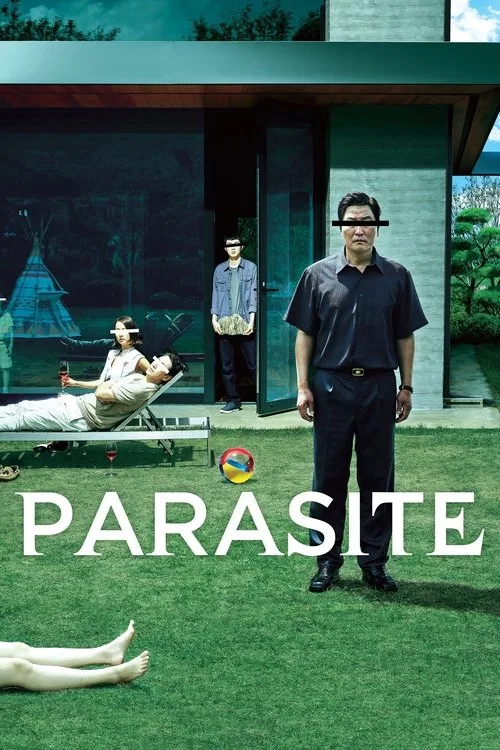 Cannes 2019
 Parasite
Thriller, Drama · 2h 12m
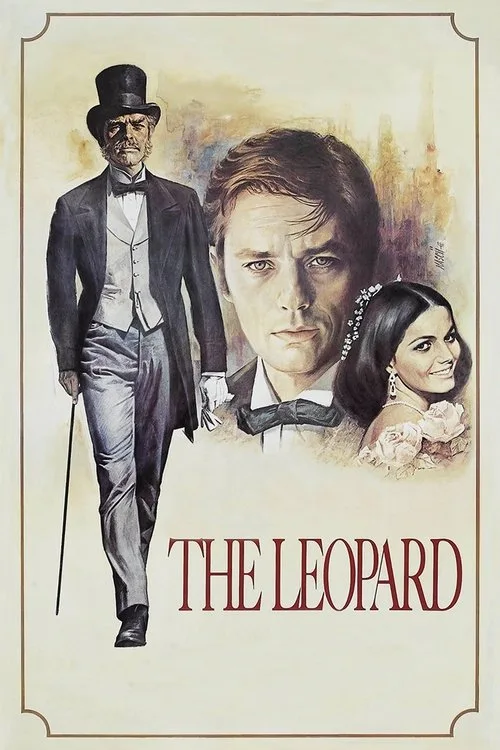 Cannes 1963
 The Leopard
Drama, History · 3h 5m
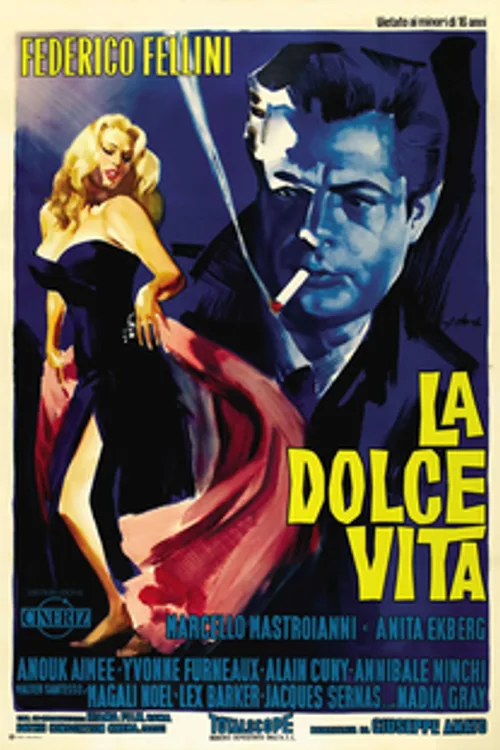 Cannes 1960
 La Dolce Vita
Drama · 2h 54m
Streaming: Prime Video, MUBI. Rent: Amazon Video, Apple TV, Google Play, YouTube, Fandango at Home. Buy: Amazon Video, Apple TV, Google Play, YouTube, Fandango at Home. Regional notes: Prime Video, MUBI in the United States; KlikFilm in Indonesia; TVING in South Korea.