Deaf President Now! Review: A Landmark Documentary of Deaf Resistance
★★★★★ 5/5
Essential history, told with the urgency it deserves.
Where to watch Deaf President Now!
Streaming: Apple TV+
By region: Apple TV+ in the United States; Apple TV+ in the United Kingdom; Apple TV+ in Indonesia; Apple TV+ in India
Full scores & availability on the movie page.
Is Deaf President Now! good?
Yes — this is one of the most important documentaries of the year. Nyle DiMarco’s Deaf President Now! holds a Celluloid Editorial Rating of 100, an Audience Snapshot of 92, and a Metascore of 82, with a Letterboxd rating of 4.2 and an IMDb rating of 8.0. That kind of alignment across critic and audience metrics is rare, and it reflects a film that succeeds as both a piece of formal filmmaking and a piece of history that demanded to be told properly.
What is Deaf President Now! about?
It chronicles the eight-day student uprising that forced Gallaudet University to appoint its first deaf president. In 1988, the university’s board of trustees selected a hearing candidate to lead the world’s premier institution for deaf education, prompting students to shut down the campus in protest. The film reconstructs those days through archival footage and present-day testimony from the people who lived them, tracing how a student movement reshaped an entire institution’s understanding of who gets to lead it.
Should you watch Deaf President Now!?
Yes, without hesitation — especially if you want to see a piece of civil rights history told by the community that made it. The film’s decision to present itself primarily in American Sign Language, rather than treating ASL as a subject to be translated for hearing viewers, is itself part of what makes it land. Paired with a tightly constructed eight-day structure and firsthand accounts from the protest’s key figures, it turns a specific campus uprising into a story with much broader resonance about representation and institutional power.
How does Deaf President Now! compare to 13th?
Ava DuVernay’s 13th offers a useful point of comparison: both films use archival material and direct testimony to make an urgent historical argument feel immediate rather than academic. Where 13th traces a sweeping legal and carceral history, Deaf President Now! narrows its focus to a single, contained protest — and that narrower scope lets it build a propulsive, almost thriller-like momentum across its eight days. Both films share a conviction that the people who lived the history are its most credible narrators, and both resist the urge to let outside experts speak over the communities at the center of the story.
If you liked Deaf President Now!
Ranked by genre overlap and Celluloid Score — full “movies like Deaf President Now!” page.
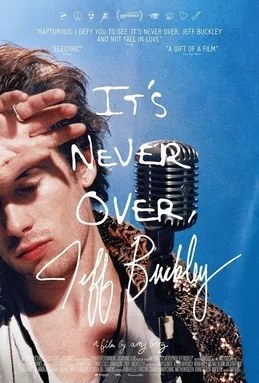 Sundance 2025
 It's Never Over, Jeff Buckley
Drama · 2h 25m
 Featured
 August
Documentary · 53m
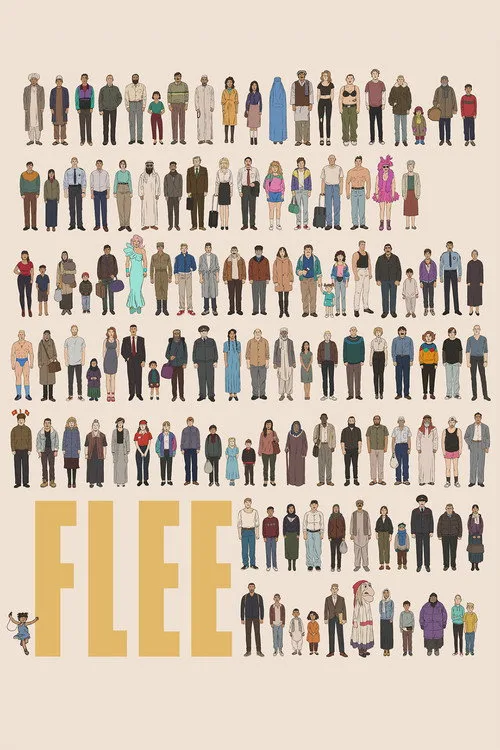 Sundance 2021
 Flee
Documentary, Animation · 1h 29m
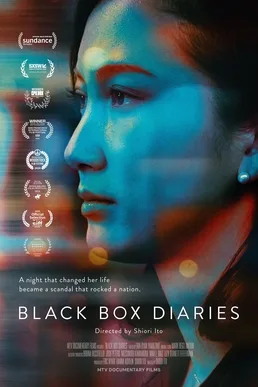 Sundance 2024
 Black Box Diaries
Documentary · 2h 10m
Streaming: Apple TV+. Regional notes: Apple TV+ in the United States; Apple TV+ in the United Kingdom; Apple TV+ in Indonesia; Apple TV+ in India.