Danur: The Last Chapter Review: A Franchise Finale Tangled in Its Own Mythology
★★½☆☆ 2.5/5
Nostalgic, but narratively overstuffed.
Is Danur: The Last Chapter good?
It’s a mixed bag — a Celluloid Score in the high 40s reflects a film that scares in bursts but struggles to hold together as a story. Director Awi Suryadi, back for the franchise’s send-off, clearly knows how to stage a jump scare in a shadowy hallway, and Prilly Latuconsina brings genuine weight to what’s billed as her final turn as Risa. But critics have been fairly consistent in flagging a plot that assumes you remember every subplot from the previous three films, and punishes you if you don’t.
What is Danur: The Last Chapter about?
Risa has spent years refusing to speak to the ghosts who once surrounded her, until her sister Riri’s engagement inside an old theater reopens that door. Riri starts behaving erratically, strange sounds and sightings multiply around the family, and Risa comes to believe that her old spectral companions Peter and his friends are trying to communicate a warning before whatever is happening to Riri becomes irreversible. The film spends its runtime toggling between present-day dread and flashes of unfinished business from Risa’s past, which is where much of the confusion reviewers describe seems to originate.
Should you watch Danur: The Last Chapter?
If you’ve followed the Danur series since 2017, yes — this is built as a curtain call and lands hardest for viewers invested in Risa’s arc. There’s real craft in individual scenes: a séance-adjacent sequence in the theater’s rafters and a mirror-based scare late in the second act both got singled out favorably. But newcomers looking for a standalone horror experience are likely to find themselves lost amid returning characters and half-explained lore from Danur 2 and 3. This is a movie for the committed, not the curious.
How does it compare to earlier Danur films?
It’s a step down from the original 2017 Danur in terms of clarity, though it’s more ambitious in scale. Where the first film worked because its ghost-story rules were simple and its scares were intimate, The Last Chapter tries to tie off multiple dangling threads across the franchise at once, and reviewers say that ambition comes at the cost of coherence. It’s a respectable, occasionally effective finale for long-time fans, but it won’t convert skeptics of the series, and it’s unlikely to be remembered as the strongest chapter in Risa Saraswati’s screen history.
If you liked Danur: The Last Chapter
Ranked by genre overlap and Celluloid Score — full “movies like Danur: The Last Chapter” page.
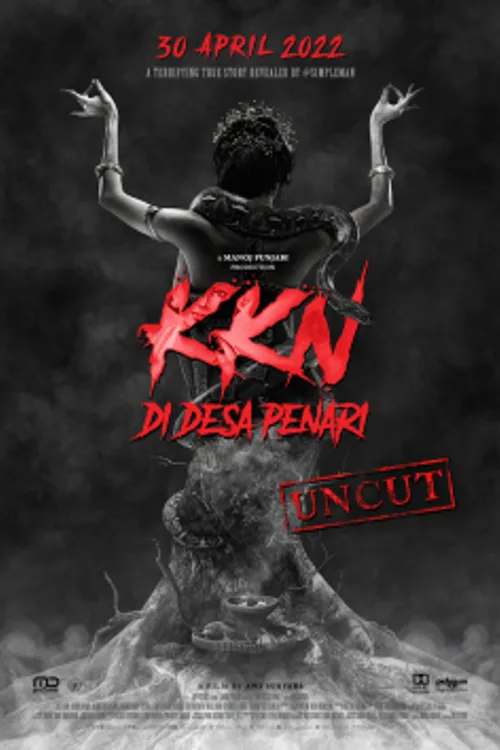 Festival Film Indonesia 2022
 KKN di Desa Penari
Horror, Mystery · 2h 1m
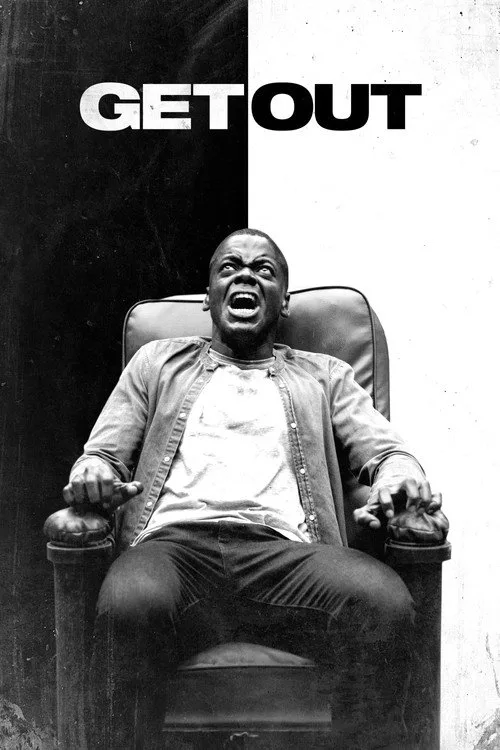 Sundance 2017
 Get Out
Mystery, Thriller · 1h 44m

Psycho
Horror, Thriller · 1h 49m
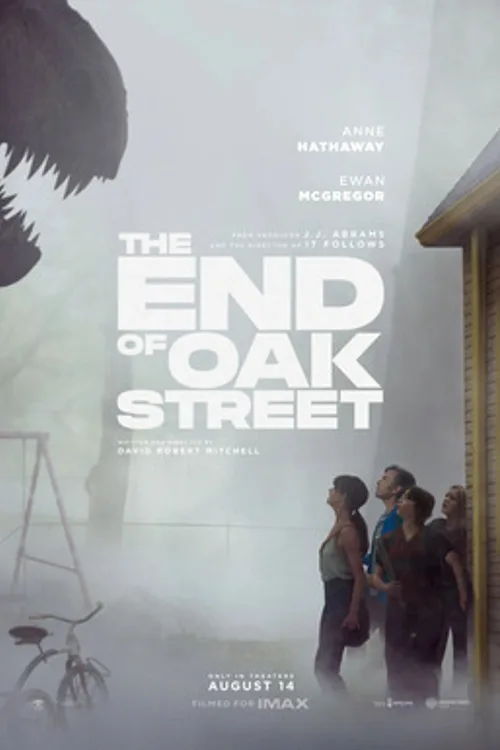
Flowervale Street
Horror, Mystery · 1h 39m
Regional notes: Netflix in Indonesia; Netflix in the Philippines; Netflix in Malaysia; Netflix in Thailand.