Come See Me in the Good Light Review: Love Facing Mortality With Grace
★★★★★ 5/5
The year's most honest love story is a documentary.
Where to watch Come See Me in the Good Light
Streaming: Apple TV+
By region: Apple TV+ in the United States; Apple TV+ in the United Kingdom; Apple TV+ in Indonesia; Apple TV+ in India
Full scores & availability on the movie page.
Is Come See Me in the Good Light good?
Yes — it is one of the most quietly devastating and life-affirming documentaries in recent memory. With a Celluloid Editorial Rating of 100, an Audience Snapshot of 90, a Metascore of 81, a Letterboxd rating of 4.3, and an IMDb rating of 7.6, the consensus across every measure is unusually unanimous. Ryan White’s film earns that alignment by refusing easy sentiment, instead finding humor, frustration, and tenderness in equal measure.
What is Come See Me in the Good Light about?
It is an intimate portrait of poets Andrea Gibson and Megan Falley as they face a terminal diagnosis together, without losing their sense of humor or their sense of each other. The film follows the couple through the everyday texture of illness — appointments, uncertainty, exhaustion — while also capturing the moments of wit and warmth that define their relationship. Rather than framing their story as a tragedy to be endured, White treats it as a continuation of the life the two of them have already built as artists and partners, letting their poetry and their banter carry as much weight as the diagnosis itself.
Should you watch Come See Me in the Good Light?
Yes, especially if you want a film about mortality that leaves you thinking about living rather than dying. The tight clustering of its scores suggests this is not a film that splits opinion along critical versus popular lines — nearly everyone who watches it responds to it the same way. It asks a lot emotionally, but it never manipulates to get there; the tears it draws feel earned rather than engineered, and the humor threaded throughout keeps it from ever tipping into misery.
How does Come See Me in the Good Light compare to Dick Johnson Is Dead?
Kirsten Johnson’s Dick Johnson Is Dead offers the closest comparison: another documentary in which a filmmaker turns the camera on a loved one’s mortality and finds unexpected comedy inside the grief. Both films resist the somber, hushed-tone approach typical of illness documentaries, instead treating dark humor as a legitimate — even necessary — response to loss. Where Johnson used elaborate staged fantasy sequences to process her father’s decline, White stays observational, trusting Gibson and Falley’s real dynamic to generate both the laughs and the heartbreak. The result is a film that sits comfortably alongside Johnson’s in a small but vital subgenre: documentaries that treat dying as something you can still be funny about.
If you liked Come See Me in the Good Light
Ranked by genre overlap and Celluloid Score — full “movies like Come See Me in the Good Light” page.
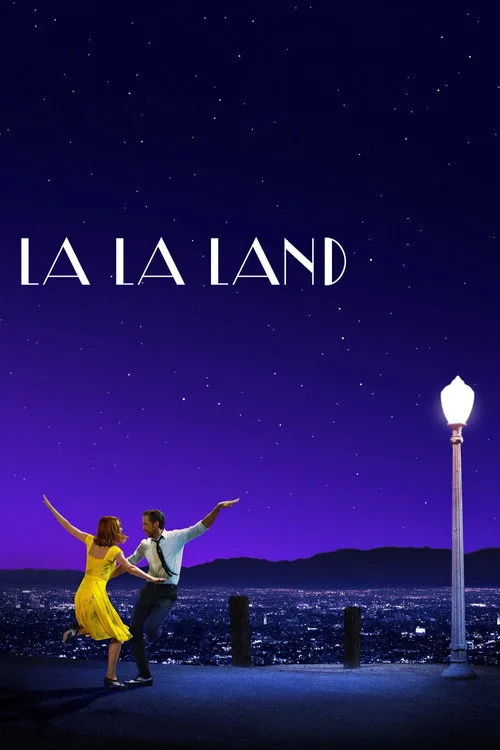 Venice 2016
 La La Land
Comedy, Drama · 2h 9m
 Cannes 2021
 The Worst Person in the World
Drama, Romance · 2h 8m
 FeaturedCannes 2024
 Anora
Comedy, Drama · 2h 19m
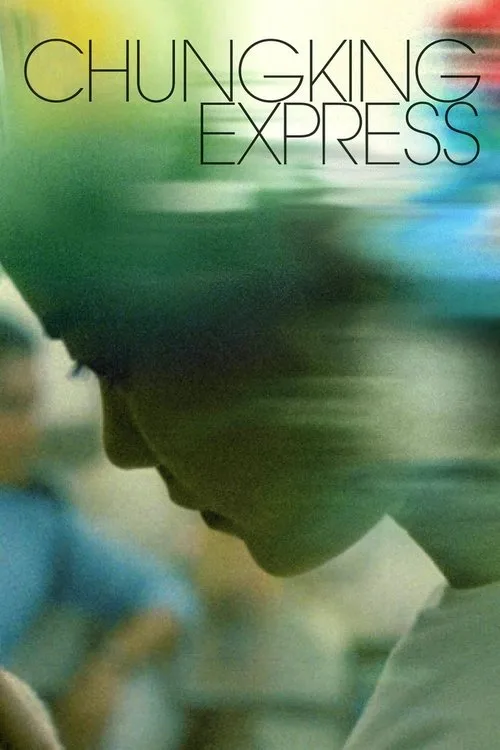 HKIFF 1994
 Chungking Express
Drama, Comedy · 1h 43m
Streaming: Apple TV+. Regional notes: Apple TV+ in the United States; Apple TV+ in the United Kingdom; Apple TV+ in Indonesia; Apple TV+ in India.