Çatlı Review: A Handsome Biopic That Can't Decide What It Thinks of Its Subject
★★½☆☆ 2.5/5
Well-mounted, but morally evasive.
Is Çatlı good?
It depends heavily on what you’re looking for: as a piece of craft, it’s a handsomely shot period production, but as a reckoning with its subject, it’s disappointingly cautious. Director Deniz Enyüksek clearly has the resources and the eye for 1980s European locations, smoky safe houses, and tense border crossings. Where the film falters is in its refusal to interrogate Abdullah Çatlı with anything sharper than sympathy. Vedat İnceefe plays him as a wounded patriot forced into darkness by circumstance, and while the performance is genuinely committed, the writing rarely lets doubt or culpability breathe. Audiences on the ground have responded warmly — the film has done brisk business and plenty of viewers have called it the best Turkish release of the year — but critical reception has been far cooler, split almost exactly down partisan lines.
What is Çatlı about?
It dramatizes Abdullah Çatlı’s years in exile after Turkey’s 1980 military coup, following him across Europe as he becomes entangled with intelligence networks, nationalist militants, and the Armenian-militant group ASALA. The film is less interested in the Susurluk scandal that made his name infamous — that comes later, offscreen, in the history books — and more in constructing an origin story: how an ambitious young operative becomes the man at the center of one of Turkey’s most notorious political controversies. It’s framed almost entirely from his point of view, which is both the film’s organizing principle and its biggest liability.
Should you watch Çatlı?
If you’re interested in Turkish political history and can tolerate a film that treats a deeply contested figure with more reverence than scrutiny, it’s worth a look; if you want a clear-eyed political thriller, look elsewhere. The production values are real — the European locations, the tailored 1980s wardrobe, the moody cinematography all suggest a studio that wanted this to feel prestigious. But prestige without perspective only goes so far. The back half of the runtime, in particular, drags through repetitive safe-house meetings that restate the same loyalties without deepening them. It’s the kind of film that will play very differently depending on what you already believe about its subject walking in.
How does it compare to other political biopics?
Çatlı invites an obvious comparison to films like Hannah Arendt or The Baader Meinhof Complex, which tackled similarly loaded historical material — and it comes up short next to both. Those films found ways to hold their subjects at a critical distance even while humanizing them; Çatlı mostly just humanizes. The result is a movie that’s easy to admire technically and hard to trust ideologically. For a subject this contested, that’s a real missed opportunity — there was a sharper, more searching film available in this material, and Enyüksek’s version settles for the safer, softer one instead.
If you liked Çatlı
Ranked by genre overlap and Celluloid Score — full “movies like Çatlı” page.
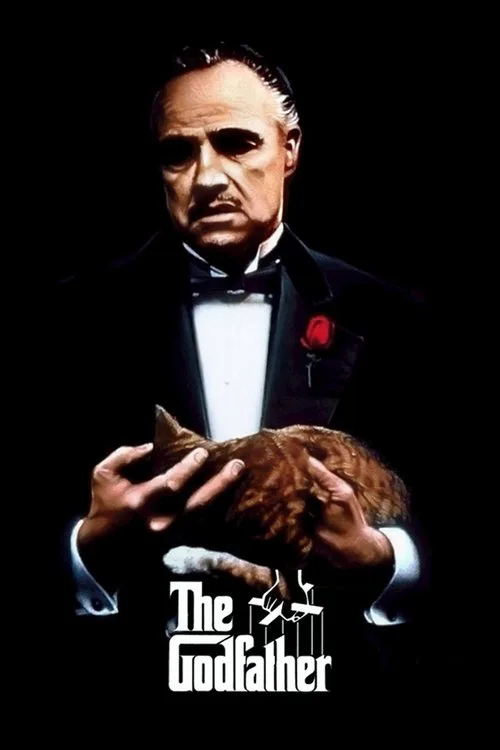
The Godfather
Crime, Drama · 2h 55m
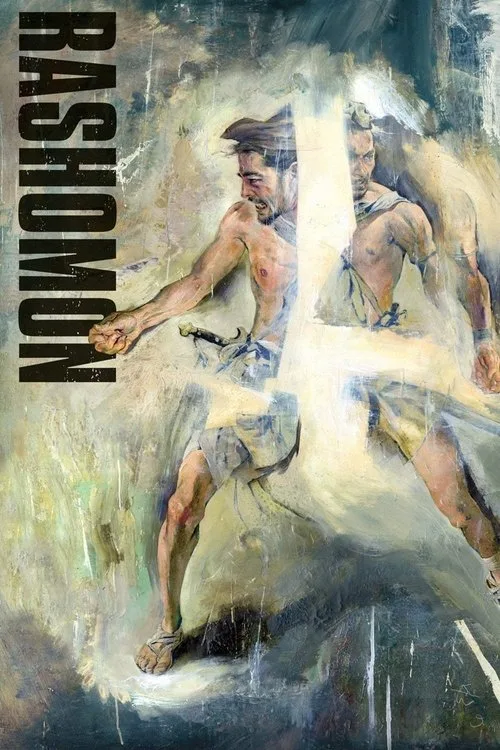 Venice 1951
 Rashomon
Crime, Drama · 1h 28m
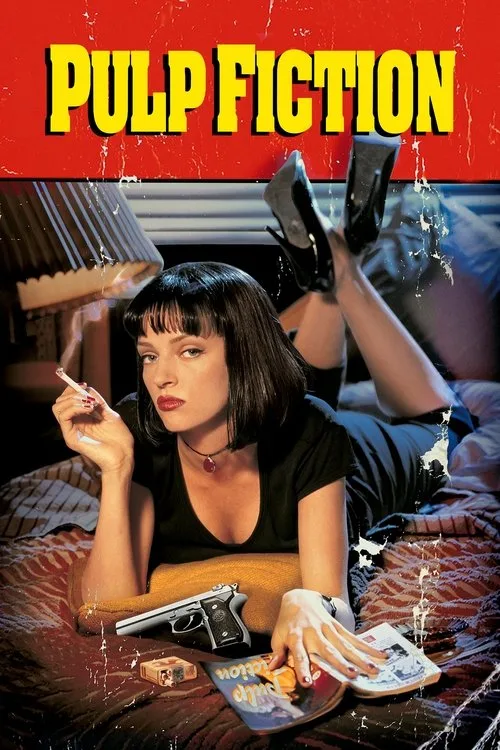 Cannes 1994
 Pulp Fiction
Crime, Drama · 2h 34m
 Cannes 2018
 Shoplifters
Drama, Crime · 2h 0m