Black Box Diaries Review: Shiori Ito's Courageous Self-Investigation
★★★★☆ 4.3/5
Essential documentary filmmaking.
Where to watch Black Box Diaries
Streaming: fuboTV, Paramount+
Rent: Amazon Video, Apple TV, Google Play, YouTube, Fandango at Home
Buy: Amazon Video, Apple TV, Google Play, YouTube, Fandango at Home
By region: fuboTV, Paramount+ in the United States; KlikFilm in Indonesia; Shahid in the United Arab Emirates
Full scores & availability on the movie page.
Is Black Box Diaries good?
Yes — Black Box Diaries is a rare case of near-total consensus, with a 96/100 Celluloid Editorial Rating, an 88% Audience Snapshot, and a Metascore of 85 all pointing the same direction. Shiori Ito’s documentary about her own fight for justice is the kind of film that critics and general audiences rarely agree on so strongly, and here the gap between the two is unusually small. That alignment says something about the material itself: this isn’t a movie that splits opinion along the usual lines of taste, because what it’s documenting is difficult to argue with once you’ve seen it.
What is Black Box Diaries about?
Black Box Diaries follows journalist and director Shiori Ito as she investigates her own sexual assault and tries to bring her high-profile attacker to justice. Ito turns the camera on herself, documenting years of legal meetings, setbacks, and personal toll as she pushes a case through a system built to discourage exactly this kind of pursuit. Rather than narrating her ordeal from a safe distance, she puts her own exhaustion, doubt, and resolve on screen, turning a personal legal battle into a document of how institutions handle — and often fail — survivors.
Should you watch Black Box Diaries?
Yes, if you can handle difficult subject matter — this is one of the strongest-reviewed documentaries of its year and earns every point of that acclaim. The 96/100 Celluloid Editorial Rating and 88% Audience Snapshot suggest a film that lands with nearly everyone who watches it, not just a niche festival crowd, and the 4.1 Letterboxd rating and 7.5 IMDb rating back that up from the audience side. It is not an easy watch — the subject matter is heavy and the pacing lingers in uncomfortable places on purpose — but it rewards that discomfort with clarity rather than despair.
How does Black Box Diaries compare to Promising Young Woman?
Where Promising Young Woman dramatizes the aftermath of sexual assault through a fictional revenge thriller, Black Box Diaries strips away any narrative distance by having the survivor document her own real case as it happens. Both films are interested in how institutions — legal, social, professional — protect perpetrators over victims, but Ito’s film trades stylized catharsis for the slower, messier texture of an actual years-long legal fight. The result is less cinematic in the traditional sense but more difficult to dismiss, since there is no fictional frame to soften what’s on screen.
If you liked Black Box Diaries
Ranked by genre overlap and Celluloid Score — full “movies like Black Box Diaries” page.
 Sundance 2021
 Flee
Documentary, Animation · 1h 29m
 Featured
 August
Documentary · 53m
 Featured
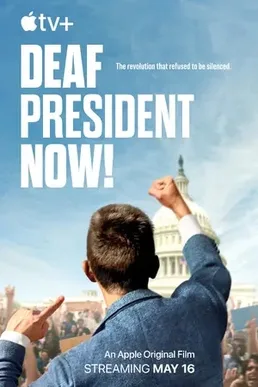
 Deaf President Now!
Documentary · 1h 40m
 FeaturedVenice 2025
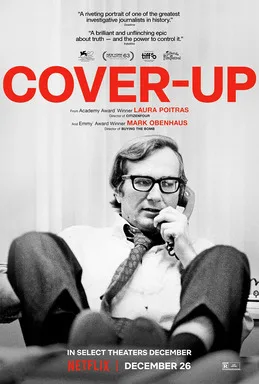
 Cover-Up
Documentary · 2h 55m
Streaming: fuboTV, Paramount+. Rent: Amazon Video, Apple TV, Google Play, YouTube, Fandango at Home. Buy: Amazon Video, Apple TV, Google Play, YouTube, Fandango at Home. Regional notes: fuboTV, Paramount+ in the United States; KlikFilm in Indonesia; Shahid in the United Arab Emirates.